If you’ve ever worked in industrial manufacturing, oil and gas, food and beverage processing, or wastewater treatment, you’ve probably relied on pressure measurement tools to keep operations safe and efficient. One tool you might have encountered, but not fully understood, is the remote seal general pressure transmitter. As a supplier of general pressure transmitters, I get asked this question all the time: what exactly is a remote seal general pressure transmitter, and why would someone need it instead of a standard model? Let’s break this down in plain, practical terms—no overly confusing jargon, just the information you need to make the right choice for your process. General Pressue Transmitter
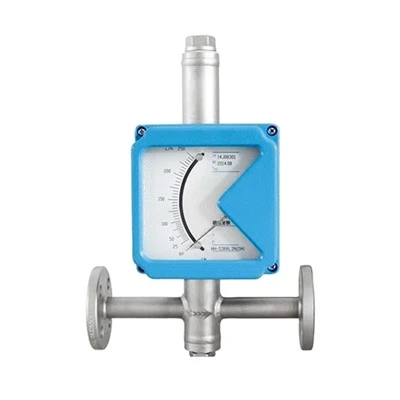
First, let’s start with the basics: a standard general pressure transmitter does a simple job. It measures the pressure of a gas or liquid directly at the point where the process happens, converts that pressure into a standardized electrical signal (like 4-20mA, the industry’s go-to for reliable transmission over long distances), and sends that data to controllers, monitors, or SCADA systems. That works great for most straightforward processes, but it has a big flaw: if the process fluid is harsh—like viscous sludge, corrosive chemicals, high-temperature molten sugar, or process steam—it can damage the transmitter’s sensor diaphragm, the part that touches the fluid to take a pressure reading. Or, if the process point is hard to reach, like inside a high-temperature reactor or a submerged tank, installing a standard transmitter there is dangerous and impractical. That’s where remote seal general pressure transmitters step in.
A remote seal general pressure transmitter is a two-part system, designed specifically to solve those two common problems: harsh process fluids and hard-to-access measurement points. The first part is the process seal (often called the remote seal), a small, hermetically sealed component that sits right in the process, where it’s exposed to the fluid. The second part is the transmitter unit itself, which houses the sensor and electronics, and is mounted somewhere safe and easy to access—like a control room, a wall near the process, or a cooler area away from extreme temperatures. The two parts are connected by one or two capillary tubes filled with a stable, inert fill fluid (like silicone oil, glycerin, or even high-temperature fluids for extreme applications).
Here’s how it works, in simple terms: when the process fluid presses against the seal’s diaphragm, that force is transferred through the capillary’s fill fluid to the transmitter’s sensor diaphragm. The transmitter’s electronics then convert that force into a readable pressure signal, just like a standard transmitter would. This design means the actual transmitter’s delicate sensor is never exposed to the harsh process fluid—it only interacts with the stable fill fluid, which acts as a buffer. That’s why remote seals are non-negotiable for processes with corrosive, viscous, or dirty fluids that would eat through or clog a standard sensor.
Now, as a supplier, I want to make sure you understand that not all remote seals are the same. There are two main types: single remote seals and double remote seals. Single remote seals are used for most basic applications, like measuring the pressure inside a single tank or pipeline. The seal attaches to the tank’s wall, and the capillary runs back to the transmitter. Double remote seals, also called differential pressure remote seals, are used when you need to measure the difference in pressure between two points—for example, to calculate the level of a liquid in a tank (by measuring pressure at the bottom of the tank versus the top of the headspace) or to check the pressure drop across a filter, which tells you when it’s time to clean or replace it. For double seal setups, you have two process seals, each attached to a different point in the process, connected to separate capillaries that run back to a single differential transmitter.
Let’s talk about the practical use cases, because that’s where most people see the value. Take food and beverage processing, for example. If you’re manufacturing tomato sauce or chocolate, the process fluid is thick, acidic, and often hot. A standard transmitter’s sensor would get clogged with tomato pulp or corroded by vinegar in a matter of weeks. A remote seal, though, has a smooth, sanitary diaphragm (usually made of 316L stainless steel, perfect for food-grade applications) that’s easy to clean between batches, so you can maintain sanitary standards without replacing the transmitter every month. Or take wastewater treatment: measuring the pressure of activated sludge, a thick, gritty mixture that would easily clog a standard sensor. The remote seal sits in the sludge, the cap runs back to a transmitter mounted above the water line, and you get accurate pressure readings without the mess or maintenance.
Another big use case is handling high-temperature or high-pressure processes. If you’re monitoring a steam line that’s at 500 degrees Fahrenheit, mounting a standard transmitter right next to that line would damage its electronics, which only operate reliably up to around 120 degrees Fahrenheit. The remote seal can be attached to the steam line, and the capillary can run 10, 20, even 50 feet back to a transmitter in a shaded, air-conditioned control room, where it stays cool and works perfectly. Same for cryogenic processes, like measuring liquid nitrogen pressure at -320 degrees Fahrenheit: the remote seal’s diaphragm is designed to handle extreme cold, and the capillary’s fill fluid is formulated to stay liquid at those temperatures, so there’s no break in the force transfer.
I often get asked, “Why not just extend a standard transmitter’s diaphragm?” That’s a fair question, but there’s a key difference. A standard extended diaphragm might move a little further away from the process, but it still has the transmitter’s sensor right on the other side of the diaphragm. So if the fluid is corrosive, it will still eat through that sensor over time. Remote seals separate the process fluid entirely from the transmitter’s core, so you can replace the seal if it gets damaged (which is cheaper than replacing a whole transmitter) without touching the main electronics. Also, the capillary can be routed around obstacles, so you can put the transmitter exactly where you need it, not just where the process point is.
Of course, remote seal general pressure transmitters aren’t perfect, and it’s important to know their limitations to avoid mistakes in your setup. For one, the fill fluid in the capillary can be affected by extreme temperature changes. If the transmitter is mounted in a spot that’s much hotter or colder than the process seal, the fill fluid can expand or contract, causing what’s called “temperature drift” in the readings. A good supplier will calibrate your system to account for that, or offer special capillaries with temperature compensation if your process has big swings. Another thing: the capillary length. While they can be up to 100 feet long, longer capillaries mean a slight delay in pressure readings, because the force has to travel through more fill fluid. For processes that need real-time, fast pressure data (like a high-speed chemical reaction), a remote seal might not be the best choice, though modern designs minimize this delay. Also, since the seal is exposed to the process, you have to make sure it’s the right material for your fluid—for example, titanium seals for highly corrosive acids, or Hastelloy for harsh chemical mixtures, not just standard 316 stainless steel.
As a supplier, I’ve seen customers make the wrong choice when buying remote seals, usually by prioritizing price over compatibility. A cheap remote seal with the wrong fill fluid for your process can fail in months, leading to unplanned downtime, which is way more expensive than buying a high-quality, correctly matched system. That’s why we spend time with every customer to walk through their process: what fluid are they measuring? What temperature and pressure range? Where will the transmitter be mounted? How long does the capillary need to be? Those details matter a lot more than the initial sticker price.
Let’s also clarify the difference between general pressure transmitters and other types, like high-pressure or hygienic transmitters, because that’s a common point of confusion. A general pressure transmitter is designed for standard pressure ranges—usually up to around 1000 psi, though some go higher—for general industrial applications, not extreme high-pressure jobs like oil well drilling (which would use a specialized high-pressure transmitter). A remote seal general pressure transmitter, then, is a general model paired with a remote seal, tailored for the specific process conditions we talked about, rather than a custom high-pressure system. That means it’s more affordable than a specialized transmitter, while still solving the common problems of harsh fluids and hard access.
If you’re still wondering if a remote seal general pressure transmitter is right for you, here’s a quick checklist: do you have a process fluid that’s corrosive, viscous, abrasive, or sanitary? Do you need to mount the transmitter far from the process point due to temperature, space, or safety? Do you measure pressure in tanks, pipelines, filters, or reactors where a standard transmitter would not work reliably? If you answered yes to any of these, this type of transmitter is almost certainly worth considering.
As someone who’s worked with general pressure transmitters for years, I can tell you that choosing the right pressure measurement tool isn’t just about getting a number—it’s about keeping your process safe, reducing maintenance costs, and avoiding unplanned shutdowns, which can cost a business thousands of dollars per hour. A remote seal general pressure transmitter is a simple, effective solution for many of the most common pressure measurement headaches.
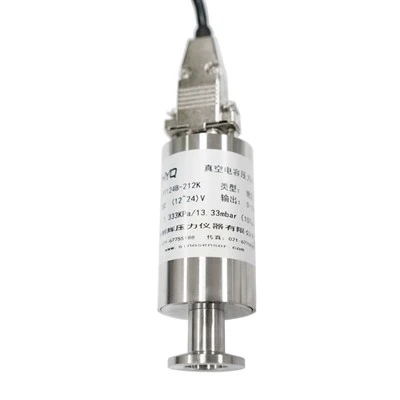
If you’re looking to upgrade your current pressure measurement setup or need help choosing the right remote seal general pressure transmitter for your specific process, we’re here to help. Our team has years of experience working with all kinds of industrial applications, and we can walk you through the specs, materials, and setup options to make sure you get a system that works for your needs, not just a generic one. Contact our team today to discuss your requirements and get a customized quote for your next project.
Capillary Melt Pressue Transmitter References
- Beckwith, T. G., Buck, N. L., & Marangoni, R. D. (2010). Mechanical Measurements (6th ed.). Pearson Education.
- ISO 9001:2015, Quality management systems — Requirements. International Organization for Standardization.
- Process Pressure Measurement Guidelines (2022). International Society of Automation (ISA).
- Sensor Technology for Industrial Automation (2021). McGraw-Hill Professional.
- Food and Beverage Industry Pressure Measurement Best Practices (2020). Instrumentation, Systems, and Automation Society (ISA) Food and Beverage Division.
Shanghai Zhaohui Pressure Apparatus Co., Ltd.
Shanghai Zhaohui Pressure Apparatus Co., Ltd. is one of the most professional general pressue transmitter manufacturers and suppliers in China, featured by quality products and good service. Please rest assured to wholesale advanced general pressue transmitter in stock here from our factory. Also, customized service and 1 year warranty are available.
Address: 2-6/F, Building 8, No.115, Lane 1276, Nanle Road, Shanghai, China
E-mail: sensorsales@zhyqsensor.com
WebSite: https://www.sinosensor.net/
