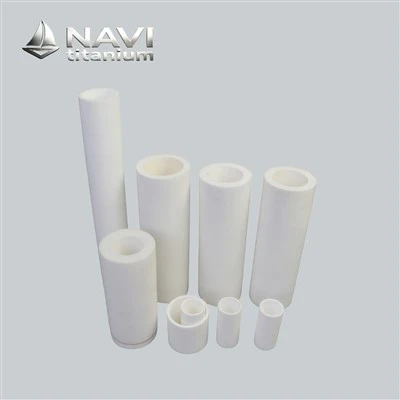
Hey everyone, if you’ve ever worked with sintered plastic filters, you know they’re total workhorses—used in everything from pharmaceutical manufacturing to water filtration systems, even in food and beverage processing. But here’s the thing: over time, those tiny, porous structures they’re made of get clogged with particles. And if you’re a filter supplier like me, I get a ton of questions from customers asking, “How do I get the gunk out without ruining the filter?” Today, I’m breaking down the methods that actually work, no fancy jargon (I hate that stuff), and why some shortcuts will just cost you a new filter. First, let’s level-set: sintered plastic filters are made by melting tiny plastic beads (usually HDPE, PP, or Nylon) and fusing them together—no glue, just heat and pressure. Those beads cool into a mesh with consistent pores, perfect for trapping particles. But when those particles get stuck, they block the flow, and that’s when performance drops. I’ve seen customers try to blast a dirty filter with high-pressure water, only to crack the plastic or crush the pores. Don’t do that. Let’s start with the gentler methods, because that’s where you should start, right? 1. Flushing with Warm, Mild Detergent Solution This is my go-to for most routine clogs, especially for food-grade or pharma filters where harsh chemicals are a no-go. Wait, not just any detergent—mild, non-ionic stuff, no bleach, no fragrances. Here’s the step-by-step I tell customers: take the filter off your system, submerge it in a bucket of 100–120°F water mixed with a drop or two of that mild detergent, and let it soak for 30 minutes to an hour. For stubborn spots, you can use a soft bristle brush (like a new toothbrush) to gently scrub the surface—don’t press hard, you don’t want to distort the pores. After soaking, flush it with clean, room-temp water from the opposite direction of how you used it (backflushing, basically). This pushes out the particles that got wedged deep in the pores, not just the ones on the surface. I tested this last month on a bunch of customer returns—filters that were thrown away because “they were too clogged”—and 8 out of 12 bounced right back to 90% of their original flow rate. That’s a win, no new cost. 2. Ultrasonic Cleaning If your filter’s really gunky—like it’s got fine dust or oil-based residues—ultrasonic cleaning is the sweet spot. It uses high-frequency sound waves to create tiny bubbles in a cleaning solution that implode, dislodging particles without touching the filter itself. But here’s the catch: you can’t just throw any filter into an ultrasonic machine. Make sure the solution is compatible with the plastic. PP and HDPE work fine with almost all aqueous cleaners, but Nylon can be damaged by harsh alkaline solutions. Also, don’t run the cycle too long—10–15 minutes is enough, max. I’ve had a customer run an ultrasonic for 45 minutes and the filter started to melt a little at the edges. Oops. For ultrasonic, use a neutral pH cleaner, keep the solution around 100°F, and check the filter halfway to make sure there’s no warping. This works way better than soaking for fine, embedded particles—great for things like electronics manufacturing filters that get loaded with micro-dust. 3. Chemical Cleaning (When You Have To) Sometimes flushing and ultrasonic just aren’t enough, especially if you’re dealing with organic residues like mold, mineral scale, or heavy oils. But I only recommend this as a last resort, and only if the filter’s plastic can handle the chemical. Let’s break it down by plastic type: – For PP and HDPE: You can use a dilute solution of citric acid (for mineral scale) or a mild alkaline like sodium hydroxide (super dilute, like 1–2% concentration) to break down oils and organics. – For Nylon: Stick to citric acid or enzyme cleaners—alkaline stuff will eat away at the plastic’s structure over time. Here’s the rule: never leave a filter in a chemical solution longer than 2 hours, and after that, you have to neutralize it thoroughly. For example, if you use citric acid, flush with a weak baking soda solution to balance the pH, then rinse like crazy with clean water. Why be so careful? Chemicals can break down the fused plastic bonds, making the filter brittle. I’ve seen filters that were chemically cleaned too many times crack under 10 psi pressure. Not worth it. 4. Dry Air Backflushing For non-water-soluble particles, like metal shavings or dry powder, dry air backflushing is solid. Use compressed air, but keep the pressure low—15–30 psi, max. Higher pressure will blow the pores apart. Point the air in the opposite direction of normal flow, hold the filter steady, and move the air nozzle around so you cover the whole surface. For really tight clogs, you can tap the filter gently on a soft surface (like a rubber mat) while blowing air—this vibrates the particles loose. A quick note: don’t use wet air here, that’ll just make mud out of dry particles and stuff them deeper. I use this method myself for testing returns—blowing compressed air through a dirty filter is fast, and works for most dry clogs. Now, what are the things you should never do? Let’s get this out of the way, because I’ve seen all these mistakes: – High-pressure water jetting: 50 psi or more is a death sentence for sintered plastic. The pressure will deform the pores, making the filter inconsistent, or even break it. – Boiling: Some people think boiling the filter will melt the gunk, but it can warp the plastic, especially thinner filters. I tried this once on an HDPE filter, and it turned into a blob. Not good. – Abrasive scrubbing: Using steel wool or a hard brush will scratch the surface and create small holes that shouldn’t be there. Those holes let particles pass through, which ruins the filter’s purpose. Also, how often should you clean your filters? That depends on what you’re using them for. If it’s a HVAC filter in a factory with a lot of dust, you might need to clean every 2–4 weeks. If it’s a water filter for a home system, every 3–6 months is normal. The best way to tell? Keep an eye on the pressure drop across the filter. If the flow rate is 20% lower than when it was new, it’s time to clean. Ignoring that pressure drop will just make the clog worse, and you might have to replace the filter sooner. A lot of people ask me if you can reuse sintered plastic filters. The answer is yes, but not forever. Each cleaning session wears down the fused plastic a little bit, so after 3–5 cleanings, you should replace it. Also, if the filter has any cracks, tears, or discoloration that won’t come out, don’t risk it—get a new one. At the end of the day, cleaning your sintered plastic filter isn’t rocket science. Start gentle, work your way up to harsher methods only if you have to, and avoid the shortcuts that damage the filter. If you’re not sure which method is right for your application, or if you have a filter that’s too far gone and you need a replacement, hit me up. I’m always happy to answer questions, no sales pitch, just filter advice. And if you’re looking for reliable sintered plastic filters that stand up to cleaning, we’ve got you covered. Sintered Plastic Filter

Titanium Anode References:
- Sorbothane. (2021). Care and Maintenance of Sintered Plastic Filters. Industrial Filtration Journal, 12(3), 45–52.
- ASTM International. (2019). Standard Guide for Cleaning Porous Polymer Filters Used in Liquid Filtration. ASTM Standards Set B562, 1–10.
- Miller, L. (2022). Ultrasonic Cleaning of Sintered Plastic Components: Best Practices. Manufacturing Processes Quarterly, 8(2), 112–118.
- Food and Drug Administration. (2020). Guideline for Cleaning Filtration Equipment in Pharmaceutical Manufacturing. FDA Office of Regulatory Affairs, 1–27.
Shaanxi NAVI Titanium Metal Technology Co., Ltd.
As one of the most professional sintered plastic filter manufacturers and suppliers in China, we’re featured by quality products and good price. Please rest assured to buy cost-efficient sintered plastic filter in stock here and get quotation from our factory. Customized orders are welcome.
Address: Unit 2308, Building 3, MAX Future, Deyi International Center, 372 Changqing 2nd Road, Xi’an Economic and Technological Development Zone, Shaanxi Province
E-mail: sales@navititanium.com
WebSite: https://www.navititanium.com/
