Hey there, let’s cut the crap for a second – if you’ve ever bought a pair of jeans, you know that indigo is basically the OG dye for denim. But lately, you’ve probably heard “dark indigo denim” thrown around a lot more, like it’s this fancy new trend, right? Let’s break it down from someone who actually sells the stuff – I’m not here to overcomplicate it with industry jargon, just real talk from the supplier side. Indigo Denim
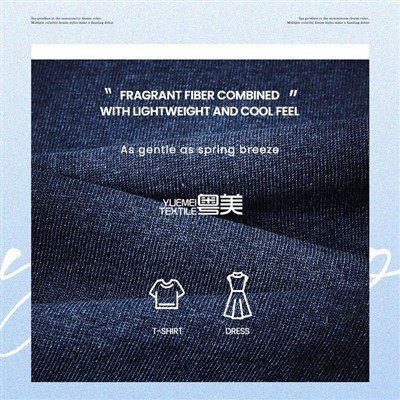
First off, let’s get the basics straight: indigo itself isn’t a black dye, it’s a plant-based (most of the time now, but we’ll get to that) dye that’s been around for thousands of years. The old-school way was fermenting indigo leaves to get that deep blue color. But when it comes to “dark indigo denim,” it’s not just regular denim that’s a little darker – it’s a whole process, not just dumping more dye in. Let’s start with how we make it, because that’s where the magic happens (for us, anyway).
Most denim is woven with white weft threads and indigo-dyed warp threads, right? That’s why jeans fade to that nice light blue around the knees after a few wears – the white weft peeks through. But for dark indigo, we don’t just dip the warp threads once. Wait, no, actually, the dipping process is what makes it dark. Let’s keep it real: standard indigo dip is like 3-5 dips for regular medium wash. For dark indigo, we do 8-12 dips, maybe even more for super dark stuff. But here’s the trick: each dip isn’t just “add dye.” Indigo is a vat dye, so it only sticks to the fiber when it’s in a reduced, colorless state. So each time we dip the warp, we have to recharge the vat, make sure the oxygen’s out, and the indigo molecules are ready to bind. It’s way more time-consuming than you’d think – like, each dip takes a few minutes, and we have to let the threads oxidize for a bit after each one. That’s why dark indigo isn’t cheap, not because we’re overcharging, because we’re putting in the work.
Now, let’s talk about the color itself. A lot of people mix up dark indigo with black denim, and that’s a big mistake. Black is a total black dye (usually sulfur black these days), but dark indigo still has that blue undertone. If you hold a piece up to natural light, you’ll see that hint of cobalt or navy peeking through, not just flat black. That’s a key point – if something’s labeled “dark indigo” and it’s totally black, it’s probably just black denim lying about its identity. We test every batch we get from our weavers under different lights (store lighting, sunlight, even warehouse overheads) to make sure that undertone is there. No one wants to pay for “dark indigo” that looks like black junk, am I right?
Also, let’s touch on vintage dark indigo, because that’s huge right now. A lot of customers ask for that “raw dark indigo” look – you know, the stiff, deep blue jeans that fade super slowly, not the pre-washed stuff that’s soft out of the package. Raw dark indigo denim is when we don’t do any post-dyeing washing. So the indigo is just on the surface of the warp threads (since it doesn’t penetrate the fiber all the way, that’s why it fades). When you wear raw dark indigo, it breaks in to your body shape – like, your thighs fade where you sit, your knees fade where you bend – and that’s what people love. It’s not a mass-produced fade, it’s a unique patina that’s yours. We actually recommend raw dark indigo for people who want jeans that get better with age, not just softer.
Wait, but what about modern dark indigo vs. traditional? A few years back, everyone was into stone-washed or acid-washed denim, but dark indigo has made a huge comeback. Part of that is sustainability, believe it or not. Because dark indigo doesn’t need harsh washes – wait, no, actually, the dyeing process is more water-heavy, but if you’re going for raw dark indigo, you skip the post-washing that uses a ton of chemicals. A lot of our customers, especially small-batch clothing brands, are into that because they want their products to feel authentic, not like something that was dunked in a bunch of chemicals to look “worn” before it even leaves the factory.
Now, let’s get into the supplier side of things, since that’s my lane. We work with a couple of mills that still use a lot of the traditional indigo dye method, but with modern eco tweaks. Back in the day, indigo vats used to waste a ton of water and dye, but now we use closed-loop systems – so the water from the dye vats gets filtered and reused, and we only use about 20% of the dye we would’ve 10 years ago to get the same dark color. That’s a big win, because everyone’s talking about sustainability these days, and dark indigo doesn’t have to be a huge environmental hit. A lot of people think darker dyes use more chemicals, but with the right processes, that’s not the case.
Another thing we deal with is shade consistency. If you’ve ever bought a pair of dark jeans that are slightly different blues in each leg, you know how annoying that is. With dark indigo, that’s even harder because the color is so deep – if one dip is a few seconds too short, the whole batch is off. So we have a whole quality control team that checks every roll of denim we get. We use colorimeters (but we also have people look at them, because machines can miss stuff) to make sure each roll is within a tiny shade range. That’s why our regulars come back – they know that every pair of dark indigo jeans from us is the same deep, rich blue, not patchy or off.
Wait, let’s address a common myth: dark indigo denim is just for heavy, workwear-style jeans. No way! We supply dark indigo for everything from skinny jeans to overalls to even denim jackets. The deep color works because it’s versatile – it goes with literally anything. A lot of people think light wash is more casual, but dark indigo is actually more polished, which is why it’s big for both everyday wear and slightly dressier outfits. I’ve seen brands use our dark indigo to make blazers that look sharp but still have that authentic denim feel – it’s not just for pants.
Now, let’s talk about caring for dark indigo denim, because that’s a question we get all the time. If you want your dark indigo to stay dark as long as possible, don’t wash it every week. Just hang it up after you wear it, let it air out. When you do wash it, turn it inside out, use cold water, and a mild detergent (no bleach, obviously). Don’t use fabric softener, because that breaks down the indigo dye faster. We tell customers this, because we want their jeans to last – if they love our dark indigo, they’ll come back for more.
As a supplier, one of the biggest things I love about dark indigo is that it’s timeless. Trends come and go, but indigo has been around for thousands of years, and dark indigo denim is just a deeper, more intentional version of that. It’s not a fad that’ll disappear next season – people will still be buying dark indigo in 10 years, because it’s classic, it’s authentic, and it works for everyone.
Wait, let’s be real about the challenges too. Making dark indigo denim isn’t easy. The dyeing process takes longer, so lead times are a bit longer than regular denim. We have to be careful with how we handle the threads so they don’t break during all those dips. And if we get a bad batch, we have to scrap it, which costs us money, but we’d rather do that than send out stuff that doesn’t meet our standards. That’s why we work directly with mills we trust – we visit their factories, talk to the dyers, make sure they’re actually doing the process right, not cutting corners.
A lot of our clients are small fashion brands that don’t have a huge team for quality control. So we offer not just the denim, but help with shade selection, advice on how to cut and sew dark indigo without bleeding, even tips on finishing. Because at the end of the day, we’re not just a supplier – we’re partners. We want our clients’ products to be great, so they keep coming back to us.
If you’re a clothing brand looking for dark indigo denim, or even a small boutique owner, hit us up. We’ve got rolls in different weights (10 oz for light stuff, 14 oz for heavy workwear, even 16 oz for that super stiff raw stuff), different shades of dark indigo – from deep navy to almost black with that subtle blue undertone. We can even do custom dips if you need a specific shade for your line.
At the end of the day, dark indigo denim isn’t just “blue jeans that are dark.” It’s a product that takes time, skill, and care to make. It’s got a history that goes back centuries, but it’s also adapted to modern demands for sustainability and quality. And if you’re in the market for dark indigo, you want a supplier that knows the process, cares about the quality, and doesn’t cut corners to save a buck.

So if you’re looking to source dark indigo denim for your brand, or have questions about what works best for your line, get in touch. We’re here to help.
Polyester Denim References
- "The Science of Denim Dyeing: Indigo Vat Processes" – Textile Institute, 2022
- "Sustainable Denim Production: Indigo Recycling & Water Management" – Global Fashion Agenda, 2021
- "Patina Development in Raw Denim: A Wearer’s Guide" – Denim Dudes Journal, 2020
Guangzhou Yuemei Textile Co., Ltd.
Guangzhou Yuemei Textile Co., Ltd. is one of the most experienced indigo denim manufacturers and suppliers in China. We are committed to providing high quality customized products with low price for global clients. If you’re going to wholesale bulk durable indigo denim made in China, welcome to get quotation and free sample from our factory.
Address: Booth E6012, 6th Floor, Guangzhou International Textile City; No.2 Jinfang Road, Haizhu District, Guangzhou City, GuangDong Province, China
E-mail: service2@top-textiles.com
WebSite: https://www.top-textiles.com/
