Hey everyone, and thanks for stopping by my blog – I’m Mia, part of the team at a small quartz surface supplier that’s been helping homeowners, contractors, and designers pick the right surfaces for their spaces for 8 years now. I get asked all the time about the warranty for quartz surface – it’s one of the top questions that comes up when someone’s comparing quartz to granite, marble, or laminate, and honestly, I don’t blame them. If you’re dropping money on a countertop, backsplash, or even a vanity top, you want to know it’s covered if something goes wrong. Today, I’m breaking this down like I would for a client who calls me panicking because their new quartz got a weird stain – no jargon, just real talk from someone who’s actually in the thick of this every day. Quartz Surface
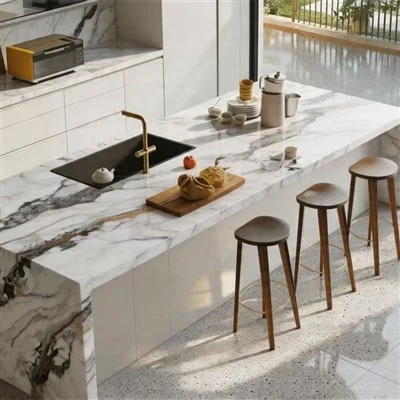
First off, let’s get one thing straight: quartz surface isn’t “natural stone” in the pure sense, even though a lot of people mix them up. Real natural stone is cut straight from the earth (granite, marble, soapstone), while quartz is a manufactured composite – it’s 90-95% ground-up natural quartz crystals, plus 5-10% polymer resins, pigments, and a tiny bit of other binders to hold it all together. That manufacturing process is why quartz is way more resistant to scratches, stains, and heat than natural stone, but it also means warranties aren’t one-size-fits-all. I’ve seen too many clients assume every quartz warranty is the same, only to get upset when their brand-new surface’s warranty doesn’t cover the specific issue they’re having.
Let’s start with the basics: what a quartz surface warranty actually covers, because that’s the first thing people want to know. Most reputable brands (the ones we work with, I should add) offer what’s called a “limited lifetime warranty” – wait, but let’s not gloss over that word “limited.” That’s where most of the confusion happens. A lot of cheap, imported quartz brands offer super short warranties, like 1-5 years, and only for manufacturing defects. But the good stuff, the quartz we supply, offers a limited lifetime warranty for residential use – that’s when you’re using it in your home, not a commercial space like a coffee shop or restaurant (we’ll get to commercial later).
What does that limited lifetime warranty cover, exactly? Let’s list the stuff that’s actually valid, not the fine print loopholes. First, manufacturing defects: that includes things like cracks that aren’t from dropping something heavy on the counter, delamination (when the layers of the quartz start separating, which I’ve only seen once in 8 years, mostly from super cheap installs), color inconsistencies that are noticeable after the entire surface is installed, and problems with the surface’s finish that aren’t from abuse. Wait, and this is key: stains that the manufacturer says they should resist but don’t. For example, if you spill red wine or curry on our quartz, and it’s still there after wiping it with a mild soap and water within 24 hours, that’s covered. But – and I can’t stress this enough – only if you followed the care instructions.
Now, here’s the part that trips people up: what the warranty does not cover. Let’s be real, because if I don’t tell you, I’m doing you a disservice. First, damage from abuse. That includes dropping a can of paint, a cast-iron skillet, or a sledgehammer on the counter (yes, I’ve seen all those cases). Scratches from sharp objects – like using a knife directly on the surface without a cutting board – that’s not covered. Wait, and heat damage! Even though quartz is heat-resistant, it’s not heat-proof. If you put a hot pan right off the stove (like, 350-400 degrees F) on the quartz without a trivet, you can get a permanent burn mark, and that’s not covered. I always tell clients: a hot pan on a wooden trivet is fine, a crockpot that’s warm on low is fine, but a pizza fresh out of the oven at 500 degrees? That’s a no-go, and the warranty won’t cover it.
Other non-covered stuff: installation mistakes. If your countertop installer uses the wrong adhesive, cuts the quartz incorrectly, or leaves a gap that causes water to seep under the surface and damage it, that’s on the installer, not the quartz warranty. Also, commercial use – if you put our residential quartz in a restaurant kitchen, a retail checkout counter, or a daycare, the warranty is voided. Commercial quartz has different warranties, shorter ones, because high-volume use wears surfaces faster. And then there’s improper care: using harsh chemicals like bleach, oven cleaner, or abrasive scouring pads (like steel wool) on the quartz. Those can scratch or dull the finish, and that’s not covered. I’ve had a client who used Comet (that powdered cleanser) to scrub a coffee stain, and it left a dull patch – warranty didn’t cover that, because it’s an abrasive product.
Wait, and what about defects during install? Sometimes, even if the quartz is perfect, the cut is off, or the seams don’t line up right. That’s usually handled by the installer or the supplier, not the quartz manufacturer’s warranty. I always tell clients to vet their installer as much as they vet the quartz surface – a bad installer can ruin even the best quartz. I once had a client who bought a super high-end quartz, but the installer drilled wrong holes for the sink, and we had to cover part of the repair because we stand behind our products, but that’s a one-off, not standard.
Now, let’s talk about the differences between brands, because that’s why I work with the brands I do – their warranties are clear, no hidden fine print. The cheap quartz you see at big box stores? Their warranties are usually only for the first year, and only cover major manufacturing defects, not stains or scratches. The mid-range to high-end quartz, like what we supply, has that limited lifetime residential warranty, covers common stains, major manufacturing defects, and even some finish issues. I always tell clients to ask for a copy of the warranty before they buy, and read it – don’t just take the salesperson’s word for it. I’ve had clients come to me with a quartz countertop that had a 5-year warranty, but they thought it was lifetime, and when a crack showed up at year 6, there was nothing we could do.
Another big question: does the warranty transfer if I sell my house? Most of the good quartz warranties do, actually – that’s a huge selling point. If you install our quartz and sell your home 10 years later, the new homeowner gets the rest of the lifetime warranty, no extra cost. I don’t know about you, but that’s a big deal when you’re selling a house – countertop upgrades add value, and a transferable warranty makes them even more attractive. The cheap quartz brands usually don’t offer transferable warranties, so that’s another reason to go with reputable suppliers.
Wait, what about cracks that happen from normal use? For example, a small hairline crack that appears a few years after install, not from dropping something. If that’s a manufacturing defect, like a tiny air bubble in the quartz that expanded over time, that’s covered. But if it’s a structural crack from the countertop being installed wrong on uneven cabinets, that’s not – that’s an installation issue. I once had a client who had a crack in their quartz island a year after install, and after checking, we found the cabinets under the island were uneven, so the installer should have adjusted the support. We worked with the installer to fix it, but that’s not a warranty claim against the quartz itself.
Let’s also talk about commercial warranties, because I get a lot of questions from small business owners. If you’re putting quartz in a commercial space, most brands offer a 10-15 year limited warranty, not lifetime, because commercial use is way harder on surfaces. Higher traffic, more spills, more heavy items being moved around – that’s why commercial warranties are shorter. If you’re a restaurant owner looking for quartz for your bar or kitchen, I can point you to the right commercial line, no need to waste money on residential quartz which will get voided in a year.
Now, let’s get real about how to actually file a warranty claim, because I see people mess this up all the time. First, take photos immediately when you notice the issue – don’t wait. Write down when it happened, how it happened (if you know), and what steps you took to clean it. Contact either me (your supplier) or the installer first, depending on the issue. For example, if you have a stain that won’t come out, send photos, tell me when it spilled, what you used to clean it, and I’ll walk you through the next steps. Most brands require proof of purchase, so keep your receipt! That’s non-negotiable – if you lose your receipt, a lot of warranties won’t honor the claim. I always tell clients to keep their quartz purchase receipt in a safe place, with the warranty papers, forever.
Also, a quick care tip that will help you avoid warranty headaches (and keep your quartz looking good for decades): wipe up spills within 24 hours, use cutting boards for knives, use trivets for hot pans, and avoid harsh chemicals. That’s it. Simple stuff, but it makes a huge difference. I had a client who used their quartz countertop for 12 years, no issues, because they followed those basic steps. Another client who did none of that had scratches from knives, burn marks from hot pans, and a stain from red wine that had been there for a week – she was surprised when the warranty didn’t cover it, but she didn’t follow the rules.
Wait, let’s address a common myth: quartz is 100% scratch-proof. No, it’s not. It’s scratch-resistant, way more than laminate or some granites, but if you drag a diamond ring across it, you’ll get a scratch. That’s not a defect, that’s normal use, so the warranty won’t cover it. That’s a good thing to know going in – no surface is indestructible, but quartz is pretty close for residential use.
So, wrapping this up, what’s the takeaway about quartz surface warranties? It’s not a one-size-fits-all thing. If you buy cheap, imported quartz from a random supplier, you’ll get a short, limited warranty that only covers major manufacturing defects, and probably isn’t transferable. If you buy reputable quartz from a supplier like us, you’ll get a clear, limited lifetime warranty for residential use that covers manufacturing defects, most common stains, and is transferable if you sell your home. But there are always loopholes – abuse, installation mistakes, commercial use, improper care – that void claims, so read the warranty before you buy, and follow the care instructions.
I know this can feel overwhelming, especially if you’re in the middle of a remodel, trying to compare countertop options, and just want a straight answer. That’s why I’m here – not just to sell quartz, but to help you make an informed decision, and answer all your questions, even the ones that aren’t just about the sale. If you’re shopping around for quartz, whether it’s for your kitchen, bathroom, or a commercial space, and want to go over the specific warranty details for the lines we supply, or have questions about what’s covered, just reach out. I’m always happy to chat, no pressure, no sales pitch that feels pushy.

At the end of the day, a countertop is a big investment, and knowing the warranty takes a lot of the stress out of making that choice. You don’t want to spend thousands on a surface, only to have it get damaged and have no way to fix it without paying more. That’s why we stand behind the quartz we sell, and make sure every client leaves with a clear understanding of their warranty, no fine print, no surprises. If you’re ready to talk quartz, get in touch – I’m here to help.
Quartz Stone Finishes REFERENCES
- Stone World Magazine. (2022). "Quartz Surfaces: Manufacturing, Performance, and Warranty Standards." Industry Report.
- National Kitchen and Bath Association (NKBA). (2023). "Countertop Material Warranty Guide: Quartz vs. Natural Stone." Professional Resource Document.
- International Surface Fabricators Association (ISFA). (2021). "Best Practices for Quartz Installation and Warranty Claim Resolution." Technical Bulletin.
- DuPont Surfaces. (2022). "Limited Lifetime Warranty for residential quartz surfaces." Product Warranty Documentation.
- Caesarstone. (2023). "Commercial vs. Residential Quartz Warranty Terms." Customer Support Guide.
Wuhu Junde New Material Technology Co., Ltd.
As one of the most experienced quartz surface manufacturers and suppliers in China since 1998, we warmly welcome you to wholesale top-quality quartz surface made in China here from our factory. If you have any enquiry about cooperation, please feel free to email us.
Address: No.8 Yulin Road, Xinwu Economic Development Zone, Anhui Province, China
E-mail: 1127319898@qq.com
WebSite: https://www.jundequartz.com/
