Hey there — thanks for stopping by! Today I want to dive into a question I get all the time from school admins, safety directors, and even worried parents: Can armory doors be used in schools? As an armory doors supplier, I’m biased, but this isn’t a “plug my product” post — it’s a real look at what works, what doesn’t, and why this stuff matters when keeping kids safe. Armory Doors
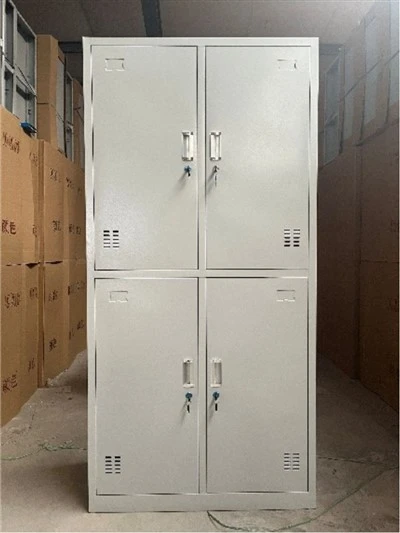
First, let’s clear the air. Armory doors weren’t built for classrooms. They’re heavy-duty, designed to secure weapons storage in military bases, law enforcement armories, and high-value commercial storage sites — places where you need extreme theft resistance, blast mitigation, and limited access 24/7. That core function makes you think, “Wait, why would we ever use something built for weapons storage in a school?” And that’s a totally fair question.
But here’s the thing: modern school safety isn’t just about locks and windows. It’s about layered defense, right? We talk about it so often in the industry — you can’t rely on one single tool to keep kids safe. So when we look at the unique risks schools face today, armory doors actually check a lot of boxes that standard classroom doors don’t. Let’s break that down.
Standard classroom doors are great for privacy and regular foot traffic, but they’re weak. I’ve seen too many cases where a single kick, a crowbar, or even a fire extinguisher can bash through a standard door in seconds. That’s the last thing you want during an active threat or a breach. Armory doors, on the other hand? They’re made with thick steel cores, reinforced frames, and high-security locking systems — things that can stop a determined intruder way longer than a basic door ever could.
Wait, but what about lockdown drills? I hear that a lot. If a door takes 10 minutes to open, that’s useless for teachers who need to get out quickly during a drill, or for first responders who need access during an emergency. But here’s the catch: not all armory doors are the same. We’ve worked with a bunch of schools to customize armory doors specifically for K-12 settings — no, we don’t make you wrestle with a heavy lock to get inside. We integrate panic bars, quick-release mechanisms that meet ADA standards, and even electronic access controls that let teachers and staff open the door in under a second if they need to. It’s the best of both worlds: extreme security for when a breach happens, and easy, safe access for everyone when it’s just a regular school day.
Another big one: fire and environmental safety. A lot of armory doors are fire-rated, which is a non-negotiable for schools. You can’t put a door in a building that won’t hold up during a classroom fire, and most armory doors are tested to withstand high heat and smoke for hours. That’s a huge bonus compared to some specialized school doors that skimp on fire resistance to save money. And for schools in areas with tornadoes or hurricanes? Those heavy, reinforced doors can also act as a storm shelter door, adding another layer of protection without you having to install separate storm shutters or shelters.
But let’s not gloss over the downsides. Armory doors aren’t cheap — that’s a reality. A standard classroom door might cost a couple hundred bucks, while a customized armory door for a school is more, and that’s a big investment for cash-strapped school districts. Then there’s installation: because they’re so heavy, you need structural upgrades to the walls and frames, which adds even more cost and time. And if you’re not careful, you can end up with a door that’s too heavy for students or staff to move during a drill — which is why customization is key. We never just sell a generic armory door to a school; we work with their maintenance teams, safety directors, and even local contractors to make sure the door fits their space, their budget, and their specific needs.
I’ve had a ton of school admins reach out over the past few years, and the most common mistake they make is thinking that “more security” means “only armory doors.” That’s not it. We usually recommend using armory doors in high-risk areas, not every classroom. For example, front office doors, main entrance access points, storage rooms for expensive tech or art supplies, or even doors leading to the gym or auditorium where there’s a lot of foot traffic after school. The regular classrooms? We’ll pair high-security deadbolts with door stoppers that lock into the wall, and panic bars that don’t require keys. It’s a balance — you don’t want to lock kids in their classrooms during a fire, but you do want to keep a determined intruder out.
Another point: compliance. Schools have to follow a ton of safety regulations from OSHA, the Department of Education, and state-specific safety codes. A lot of standard school doors don’t meet the same access and safety standards that armory doors do, especially for security. But when you customize an armory door to meet ADA standards, fire codes, and local safety requirements, it actually checks all those boxes. I remember a school in Texas that we worked with a couple years back — they were having issues with the front entrance door being breached multiple times, and the local codes required a more secure door. We installed a customized armory door with a panic bar, an electronic access system that only lets staff in with a key fob, and it’s held up for three years now without any issues. They told me it’s cut down on unauthorized visitors by 90% and teachers feel way safer knowing the front entrance is locked down tight.
Wait, what about insurance? A lot of people don’t talk about this, but many school insurance providers offer discounts for schools that upgrade their security systems, including high-security doors. Armory doors are often seen as a more reliable security measure than standard doors, so that can add up to some big savings over time. That’s a big factor for districts working on tight budgets — the initial cost is high, but the long-term savings on insurance and less need for repairs (since armory doors are way more durable) make it worth it.
But let’s get real. Armory doors aren’t a silver bullet. They won’t solve every safety problem a school has. If you don’t have proper training for staff on how to use the door’s access controls, or if you don’t do regular maintenance, even the best door won’t work. We always tell schools: a door is only as good as the people using it. That means training teachers and staff on how to lock and unlock the door quickly, doing monthly checks to make sure the locks and mechanisms work, and having a plan in place if the door ever gets damaged.
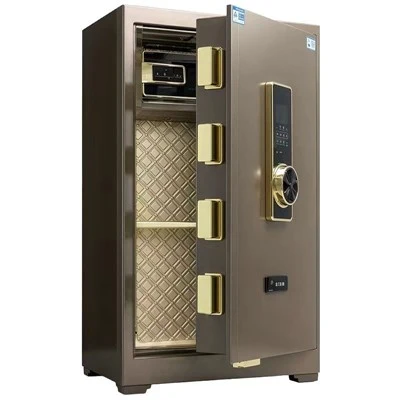
I know this topic can feel overwhelming — safety directors are stretched thin, districts are debating budgets, and parents just want to know their kids are coming home safe. That’s why I try to be upfront with everyone I talk to: armory doors can be a great addition to a school’s security plan, but they’re not for every space. The key is to work with a supplier who understands both armory door design and school safety needs, someone who can customize the door to fit your specific space, budget, and regulations.
Banking Series If you’re a school admin, safety director, or even a parent who’s curious about upgrading your school’s doors and would like to chat through what works for you — don’t hesitate to reach out. We can send over a free, no-obligation assessment of your school’s current doors, talk through different options, and help you figure out a plan that makes sense for your community. At the end of the day, that’s what it’s all about: giving schools the tools they need to keep kids safe, without breaking the bank.
References
- National Center for Education Statistics. (2022). "School Safety and Discipline: Results from the 2021-22 School Year." U.S. Department of Education.
- Occupational Safety and Health Administration (OSHA). (2023). "ADA Accessibility Standards for Doors and Egress." U.S. Department of Labor.
- National Fire Protection Association (NFPA). (2022). "Fire Door and Window Requirements for Educational Facilities." NFPA 80: Standard for Fire Doors and Other Opening Protectives.
- School Safety and Security Services. (2021). "Layered Defense: A Guide to Physical Security for K-12 Schools." National Association of School Resource Officers.
Hebei Xinrui Intelligent Technology Development Group Co., Ltd.
With abundant experience, we are one of the most professional armory doors manufacturers and suppliers in China. We warmly welcome you to buy high quality armory doors at competitive price from our factory. If you have any enquiry about customized service, please feel free to email us.
Address: No.1, Building B, Intelligent Security Industry Park, Economic Development Zone, Wuyi County, Hengshui City, Hebei Province
E-mail: shinraysafe@163.com
WebSite: https://www.shinraysafe.com/
