If you’ve ever stared at your chrome shower set, noticing those dull, cloudy tarnish spots creeping in even after wiping it down, you’re not alone. I’m in the shower set supply game, and I get it—our customers send me texts all the time panicking about how their brand-new chrome fixtures are looking years older than they should. The truth is, chrome is tough, but it’s not invincible. Tarnish builds up over time from a mix of water minerals, soap scum, and even the air around your bathroom, and it sneaks in fast if you don’t do the small, consistent things to fight it. I’ve spent years testing what actually works (and what’s just a myth) for our products, so let’s break this down like we’re chatting over a coffee, no fancy jargon required. Shower Set
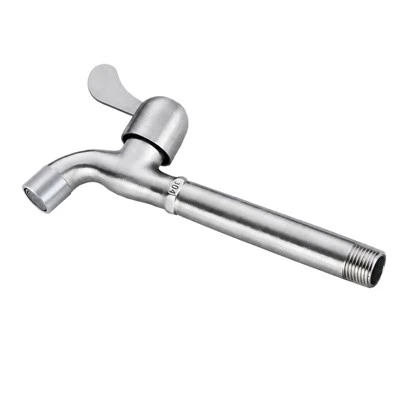
First, let’s get one thing straight: tarnish on chrome isn’t the same as rust. Rust is the metal underneath flaking through a chip or scratch. Tarnish is a chemical reaction—chrome is a thin layer of chromium plating over a base metal (usually brass or zinc), and when it reacts with sulfur in water or air, it creates that dull, gray-brown film. The good news? You can prevent it way easier than fixing it, and most of the hacks are things you probably already have in your cleaning closet.
Starting with the big one: water. Hard water is the #1 culprit for tarnish on chrome. I’ve seen it ruin perfectly good shower sets in 6 months because of the calcium and magnesium that gets left behind every time you turn off the tap. When water evaporates, those minerals stick to the chrome, and over time, they etch tiny little spots that tarnish loves to grow in. So the fix here isn’t just “wipe after shower”—it’s wiping properly. I tell our customers to grab a clean microfiber cloth (not that scratchy kitchen towel with the loose threads—those will actually leave tiny marks that trap gunk) and dry every single part of the shower set after every use: the faucet handle, the showerhead, the arms, even the gaps where water likes to hide. I’ve tried paper towels, and they leave lint that’s just as bad as not wiping at all, so stick to microfiber. It’s gentle on chrome and picks up way more moisture.
Wait, but what if you’re traveling or have guests staying over, and someone forgets to dry? That’s where a quick daily wipe-down with a gentle cleaner comes in. A lot of people reach for harsh chemicals like bleach or abrasive scouring pads, and that’s a huge mistake. Abrasive stuff will scratch the chrome layer, leaving more spots for tarnish to form, and bleach can discolor the finish. I recommend two safe, easy options: white vinegar or dish soap. Vinegar is a natural descaler and breaks down mineral buildup, but don’t leave it on for more than 5 minutes—too much vinegar can etch the chrome if it sits too long. For a quick clean, mix equal parts vinegar and warm water, dip your microfiber cloth, wipe the shower set, then rinse with plain water and dry. If you’re not a fan of vinegar’s smell, a drop of mild dish soap (the kind you use for dishes, not the heavy-duty degreaser) in warm water works just as well. No fancy sprays needed—save those for the kitchen cabinets.
Another thing I see customers mess up is cleaning the showerhead. The tiny nozzles on chrome showerheads are perfect for mineral buildup and tarnish, and most people don’t even think to clean them. Once a month, I tell them to do a quick soak: fill a plastic bag with that same vinegar-water mix, tie it around the showerhead so the nozzles are fully submerged, and leave it for 15-20 minutes. Take the bag off, gently scrub the nozzles with an old toothbrush (soft-bristled, so you don’t damage the chrome), then rinse and dry. This doesn’t just prevent tarnish—it keeps the shower pressure strong too, since the nozzles won’t get clogged. I tested skipping this step on a sample shower set a while back, and within 8 months, the nozzles were so clogged with minerals that the pressure dropped by half. Not cool.
Then there’s the bathroom environment itself. Humidity is a big factor—if your bathroom doesn’t vent well, the moisture hangs around all day, feeding the chemical reaction that causes tarnish. Even if you dry your shower set after every use, if you close the door and don’t run the exhaust fan for 30 minutes after showering, that moisture will settle right back on the chrome. I know not everyone loves leaving the fan running (it’s a little noisy sometimes), but it’s a small habit that makes a huge difference. If you don’t have an exhaust fan, open a window even a crack—just enough to let that damp air escape. I’ve had customers tell me their chrome shower sets stayed spot-free for 2 years after they started opening a window, whereas before, they were fighting tarnish every month.
Wait, what about when you’re using products? Soap, shampoo, body wash—they all have oils and surfactants that can stick to chrome, creating a film that attracts minerals and tarnish. That’s why wiping after showering isn’t just about water, it’s about getting that soap residue off. I’ve seen people spray their hair right by the shower faucet, and the suds get all over the chrome and just sit there. A quick wipe with a damp cloth a couple times a week will take that away. Also, avoid leaving any loofahs, sponges, or even bath toys sitting on the chrome shower set. They hold moisture, and if they’re touching the finish, they can trap tarnish-causing gunk right against the metal. Keep those things on the shower floor or a wall-mounted caddy, not draped over the faucet.
Now, let’s talk about what not to do. I’ve had so many customers try these and end up with worse tarnish, or even chipped chrome. First, no abrasive cleaners: Comet, Ajax, baking soda mixed with water (wait, baking soda is abrasive—yes, even that soft kind). Baking soda can scratch the chrome’s thin plating, and once that’s gone, the base metal underneath will rust and tarnish way faster. Second, no metal scouring pads—obviously, but I still see people use those to scrub off tough spots. They leave tiny metal particles that rust on the chrome, and that’s a nightmare to get rid of. Third, don’t use oil-based products to “shine” chrome. A lot of people swear by lemon oil or WD-40, but those leave a sticky film that attracts more dust and minerals, leading to more tarnish over time. If you want a little shine, a dry microfiber cloth buffed after drying is all you need.
Wait, what if tarnish already exists? I get questions all the time about how to remove it, not just prevent it. The good news is, light tarnish is easy to get off with the same vinegar mix I mentioned earlier. For heavier spots, you can make a paste of baking soda and a little water (just enough to make it spreadable), apply it to the tarnish spot, let it sit for 10 minutes, then gently scrub with a soft toothbrush, rinse, and dry. Don’t leave the paste on too long, and make sure to rinse it all off—baking soda is alkaline, so leftover residue can cause more buildup. If that doesn’t work, a chrome polish made specifically for plated surfaces will do the trick, but only use it on areas with tarnish, not the whole set, because it can remove a tiny bit of the chrome layer if used too often.
Now, as someone who supplies shower sets, I’ll be honest: we build our chrome fixtures to last, but they only stay looking good if you treat them right. A lot of our warranty issues aren’t from defective products—they’re from customers not doing these small maintenance steps. I once had a customer send us a photo of a brand-new shower set with major tarnish, and when I asked how he was cleaning it, he told me he used Comet and a steel wool pad. No wonder. We don’t want our products to look old in a year; we want them to shine for years to come.
The best part is, all of this maintenance takes 2 minutes a day, tops. Wiping the shower set after you shower? That’s faster than drying your hands. Running the exhaust fan? No extra effort. The monthly soak for the showerhead? You can do it while you’re waiting for your coffee to brew in the morning. It’s not a big chore, and the payoff is a chrome shower set that looks as good as the day you installed it.
If you’re in the market for a new shower set (or just looking to upgrade your current one to something easier to maintain), feel free to reach out to our team. We’ve got a range of chrome fixtures designed with these maintenance tips in mind—durability and low upkeep are just as important to us as the look. Whether you’re a homeowner looking to replace your old set or a contractor sourcing for a project, we’d be happy to chat through what works best for your needs. Just get in touch with our sales team to start the conversation.
Kitchen Faucet References
- International Association of Plumbing and Mechanical Officials. (2021). Maintenance Guidelines for Chrome-Plated Plumbing Fixtures.
- U.S. Environmental Protection Agency. (2020). Hard Water Effects on Household Fixtures and Solutions for Prevention.
- Journal of Coatings Technology and Research. (2019). Corrosion Prevention of Chromium-Plated Brass for Residential Plumbing Applications.
Fujian Feiyasi Kitchen Technology Co., Ltd.
Fujian Feiyasi Kitchen Technology Co., Ltd. is one of the most experienced shower set manufacturers and suppliers in China, featured by quality products and low price. Please rest assured to wholesale CE approved shower set in stock here and get quotation from our factory. Customized orders are welcome.
Address: 252 Maoji Middle Road, Shengxin Town, Nan’an City, Fujian Province
E-mail: sales@fyassi.com
WebSite: https://www.fyassibath.com/
