Hey there, if you’re here, chances are you’ve got a plunger valve in your system that’s either flowing too much, too little, or just not hitting the sweet spot you need—been there, done that. As a plunger valve supplier who’s talked to dozens of folks ranging from small shop technicians to plant ops managers, I know adjusting these valves doesn’t have to be rocket science. But skip a step, and you’ll end up with leaks, inconsistent flow, or even worse, damage to your equipment. Let’s break this down like we’re geeking out over a project in the breakroom—no fancy jargon, just the stuff that actually works. Plunger Valve
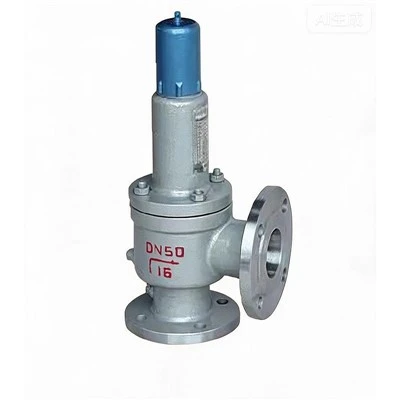
First, let’s quick refresh: a plunger valve isn’t your basic ball valve. It uses a cylindrical plunger that slides up and down inside a sleeve, right? Twist the handle or actuator, and the plunger moves—exposing more or less of the ports in the sleeve, which controls how much fluid (water, oil, chemicals, whatever you’re running) gets through. That design’s why it’s great for throttling flow, not just on/off, but it also means you can’t just crank the handle willy-nilly and call it a day. Mess that up, and you’ll have a valve that either can’t shut off tight or wears out way faster than it should.
Before we touch the valve, stop and do your homework. This is the step most people skip, and it’s why half the adjustments go sideways. First, confirm your system specs: what’s the pipe size? What’s the pressure you’re working at? What fluid are you moving? I’ve had a customer come in last month trying to adjust a 1-inch plunger valve for 100 PSI of water, but they actually needed a 2-inch for 150 PSI of hydraulic oil—they wasted an hour messing with the wrong tool for the job. Second, check if the valve is installed correctly. It sounds dumb, but if someone flipped it upside down during installation, the plunger’s ports won’t align right, no matter how many turns you make. A quick visual: the handle should be pointing straight up when the valve is fully open, and flat when closed. If that’s off, that’s your first fix, not the adjustment.
Now, if you’re all prepped, let’s get to the actual adjustment. First things first: turn off the system pressure. I know, it’s tempting to just tweak the handle while it’s running, but that’s how you get a spray of cold water (or corrosive chemical) on your arms, or even a broken handle from over-torquing. Close the inlet isolation valve upstream, drain the line a little so there’s no residual pressure in the valve body. Most plunger valves have a locknut or a set screw on the top of the stem, right? That’s the secret most people don’t know about—you can’t just twist the handle infinitely; that set screw keeps the plunger from sliding too far, which is how you nail the flow rate.
Here’s the trick for fine adjustment: start with the valve fully open first. Loosen the locknut (don’t yank it off, finger tight plus a quarter turn is enough—you just want to give the stem room to move). Then, turn the handle counterclockwise to close it down slowly. You’ll feel a little resistance when the plunger’s edge hits the sleeve’s inlet port—that’s the “zero flow” point. Mark that spot with a Sharpie on the handle and the valve body, so you don’t lose it. Now, for the flow rate: if you need 50% flow, turn the handle clockwise from that mark half a turn. Wait, but hold on—different fluids and pressures need different turns. For high-pressure systems (over 100 PSI), I usually tell folks to only turn a quarter to a half turn from the zero mark—more than that, and the plunger’s gonna grind against the sleeve, causing wear. For low-pressure, thin fluids (like water under 50 PSI), you can go up to a full turn, but no more.
Wait, let’s test that. Last week, a HVAC tech was adjusting a ¾-inch plunger valve on a boiler loop. He turned it two full turns from the open mark, and within a week, the valve started leaking around the stem. When he called me, we checked and found he’d pushed the plunger too far into the sleeve, damaging the seal. That’s exactly why marking the zero flow point is key—you’re not guessing, you’re working from a physical reference.
Now, what if your valve has an actuator instead of a manual handle? A lot of industrial plunger valves are automated these days, with electric or pneumatic actuators. Adjusting those is a little different. First, pull up the actuator’s manual (yes, even I have manuals for the actuators we supply, so don’t skip this). Most electric actuators have a position indicator—you can set the “stroke” length, which is how far the plunger moves. If your flow is too low, you want to increase the stroke: turn the position adjustment screw on the actuator clockwise, which makes the plunger slide farther out, exposing more ports. If flow is too high, turn it counterclockwise to shorten the stroke. For pneumatic actuators, you’ll adjust the air pressure input: higher pressure = more plunger movement = more flow. But again, test it in small increments—change the pressure by 2 PSI, run the system for a minute, check the flow, don’t crank it 10 PSI at a time.
A common mistake I see with automated valves: people calibrate the actuator to 100% open, but they don’t account for the pipe size or pressure. A 2-inch valve at 150 PSI will flow way more than a 1-inch valve at 50 PSI, so your 100% open setting might be too much. Always do a flow test after any adjustment. What’s a flow test? Just use a flow meter (or even a bucket and a stopwatch if you don’t have a fancy meter) to measure how much fluid is going through. If you wanted 10 gallons per minute, and you’re getting 15, go back and tighten the locknut a little more, turn the handle another quarter turn. If you’re getting 7, open it up a little. Do this 2-3 times until you hit exactly what you need—no rush here, get it right, and your valve will last twice as long.
Now, when should you not adjust the valve yourself? If the plunger has a lot of wear—like if it’s been in use for 5+ years, and you can see scratches on the plunger or the sleeve. Or if you’re dealing with super corrosive fluids, like hydrochloric acid, and the valve is showing signs of pitting. In those cases, adjusting won’t fix the flow—you’ll need to replace the valve or the sleeve. That’s when a good supplier (that’s us, by the way) can help you pick the right parts, no guesswork.
Wait, let’s wrap this up with some quick pro tips I’ve picked up over the years. First, always use the right tool for the locknut—an adjustable wrench is fine, but a box end wrench prevents rounding the nut, which is a pain. Second, don’t over-tighten the locknut after adjustment—if it’s too tight, the stem can’t move when you need to tweak it again. Third, after every adjustment, run the system for 5-10 minutes and check for leaks around the stem or the body. A tiny leak now turns into a big problem later. Fourth, keep a log of your adjustments—write down how many turns you made, the pressure, the flow rate, so next time you need to adjust it, you don’t have to start from scratch.
If you’re still fumbling with your plunger valve, or you’re not sure if your adjustment is right, hit us up. We’ve helped techs and plant managers across industries get their flow just right, no hassle. Whether you need a replacement part, a quick question about adjustment, or a new valve altogether, we’re here to make it simple. Don’t let a finicky valve throw off your whole operation—reach out and we’ll get it sorted.
Butterfly Valve References
- Plunger Valve Design and Application Guide. Valve Manufacturers Association, 2022.
- Hydronic System Flow Control: Best Practices for Throttling Valves. ASHRAE Journal, Vol. 67, No. 8, 2021.
- Maintenance Guidelines for Industrial Plunger Valves. Fluid Power Society, 2020.
Wenzhou Starry Valve Co., Ltd.
Wenzhou Starry Valve Co., Ltd. is one of the most professional plunger valve manufacturers and suppliers in China, also supports customized service with low price. Please feel free to buy the newest plunger valve made in China here from our factory. Welcome to contact us for pricelist.
Address: No.4900, 3rd Road, Binhai Industrial Park, Wenzhou Economic & Technological Development Zone, Wenzhou City
E-mail: starryvalves@163.com
WebSite: https://www.starryvalves.com/
