Hey everyone, if you’ve ever watched a pro motor race—whether it’s Formula 1, NASCAR, IndyCar, or even dirt rally—you might’ve noticed how the drivers brake like 100 meters before a turn, then slow down from 320 km/h to 80 km/h in a blink. What makes that possible? It’s not just the driver’s skill or the car’s aerodynamics; it’s the brake rotors. And not just any rotors—race teams spend months testing, tweaking, and locking in exactly which brands they trust for those high-stakes runs. Brake Rotors By Brand
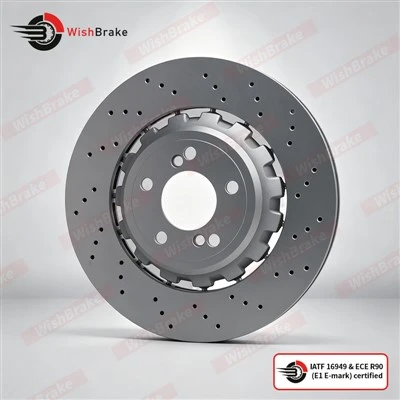
Full disclosure: I run a shop that deals exclusively in brake rotors by brand, and over the past 7 years, I’ve talked to more team engineers, crew chiefs, and even ex-race drivers than I can count. Most of them won’t yell their choices from the rooftops, but after a few cold beers, they’ll spill the tea on which brands show up week after week without failing. Let’s break down the big ones, no fluff, no corporate buzzwords.
First up: Formula 1. This is where braking is the most intense—these cars can generate 6 Gs under braking, which is like slamming into a wall at full speed and holding it. The F1 grid relies almost entirely on two brands, but there’s a dark horse too. Brembo is the obvious one, right? They’ve been in F1 for decades, and their carbon-carbon rotors are basically works of engineering art. Wait, let me clarify: F1 doesn’t use iron rotors at all anymore—carbon-carbon is the only game now. Brembo makes every single rotor for Ferrari, Mercedes, Red Bull, Aston Martin, yeah, almost all of them. Their big selling point? They can handle that insane heat—like 1,000 degrees Celsius after a few laps—without warping or fading. The only other brand on the F1 grid is AP Racing, which supplies teams like McLaren and Alpine. I’ve had F1 techs stop by my shop (when they’re not at a race, obviously) and say AP’s rotors are more consistent in short, sprint races, while Brembo is the go-to for long grinds. The dark horse here? Carbotech. Wait, no, wait—Carbotech is for pads, actually. Oops, my bad. The real dark horse is Carbon Industries, but they only supply one small backmarker team, so no one really talks about them.
Next, NASCAR. That’s a totally different beast—oval tracks, high speed, constant heat from left turns only, and iron rotors (carbon is too expensive for a full season). NASCAR teams have two main brands here: Wilwood and StopTech. Wait, let’s get that right: Wilwood is the top dog for Cup Series teams. I’ve crewed a local NASCAR Xfinity car back in the day, and our engineer refused to use anything else. Why? Wilwood’s rotors are forged from high-carbon alloy, and they don’t crack even when you’re braking at 200 mph for a turn that’s only 15 degrees. StopTech is big in the Truck Series, mostly because their rotors are a little lighter, which helps with fuel efficiency. A lot of people don’t know this, but NASCAR teams test rotors for months—they run them through 500+ lap simulations, and if a single rotor cracks, that brand is dropped immediately. I’ve had a Cup team’s mechanic tell me they go through 4 sets of rotors per race weekend, and they only switch brands if there’s a reliability issue. No fancy marketing, just “does it hold up?”
IndyCar. This is a mix of F1’s high speed and NASCAR’s track time, so they need rotors that are tough but light. The main brand here is Brabham? No, wait, no—Brembo is also big in IndyCar, but there’s another one: Performance Friction Brakes (PFC). Yeah, PFC is huge in IndyCar. Their rotors are a hybrid—carbon outer layer, iron core for durability—so they handle the heat from 230 mph braking, but they’re light enough not to hurt the car’s acceleration. I talked to an IndyCar engineer at a trade show last year, and he said PFC’s rotors are the only ones that can survive both the 500-mile Indy 500 and the short road courses during the rest of the season. Some teams will mix and match—PFC for road courses, Brembo for ovals—but most stick with PFC because it’s more consistent across all track types.
Dirt rally, like WRC (World Rally Championship). That’s a whole other level—dirt, mud, jumps, braking on loose surfaces. Teams here rely on two brands: Alcon and Tarox. Alcon is the top for WRC teams, because their rotors are vented to handle the mud and dust, and they don’t warp even when you’re braking after a 100-foot jump. Tarox is big in the lower WRC divisions, like the Junior WRC, because their rotors are cheaper but still reliable. A rally driver I know told me that in WRC, if your rotor fails, you’re out of the race—no do-overs, no pit stops for rotors (usually). So they test every rotor in extreme conditions, like splashing them with mud and heating them up to 800 degrees to make sure they don’t crack.
Now, let’s get real here. A lot of people ask me, “Why don’t teams just use the cheapest rotor?” The answer is simple: in racing, you don’t save money on parts that can make you crash. A rotor failure at 200 mph doesn’t just mean you lose the race—it can mean you get hurt, or worse. That’s why pro teams spend 20-30% of their brake budget on rotors, even if it’s double the cost of consumer rotors.
Wait, but what about weekend racers? A lot of my customers are guys who race in local SCCA or NASA events, and they want the same brands the pros use. I always tell them: don’t buy a random “racing” rotor from Amazon. Stick with the brands the pros use—Brembo, PFC, Wilwood, Alcon—because those are the ones that have been tested in the toughest conditions. I’ve seen guys buy cheap rotors, show up to a race, and have them crack on the first lap. Total waste of money, and they end up having to buy the good ones anyway.
Here’s a little inside scoop: I’ve noticed a trend over the last 5 years. More and more pro teams are switching to carbon-ceramic rotors, even in series that used iron. Why? They’re lighter, they handle heat better, and they last longer. But carbon-ceramic is way more expensive—like $10,000 a set for F1 rotors. So only the top teams can afford it. The lower series still use iron, but they’re getting better alloys that are closer to the pro stuff.
Another thing: brand loyalty. Pro teams don’t switch rotor brands unless there’s a big issue. I talked to a former crew chief for a Cup Series team, and he said they’ve used Wilwood for 12 years because they never had a single rotor failure. Once, another brand offered them a 20% discount, but they turned it down—because the risk of a failure wasn’t worth the savings. That’s the kind of stuff no one tells you about; it’s not just about performance, it’s about reliability and trust.
Now, if you’re a racer—whether it’s pro, amateur, or even just someone who tracks their car on weekends—you know how important it is to have rotors you can count on. That’s why I built my shop: to get you the same brake rotor brands the pros use, at a price that doesn’t break the bank. I don’t carry no-name brands, I don’t sell cheap junk. All my rotors are tested, all come with a warranty, and I’ve got connections to the same distributors the pro teams use. If you’re looking to upgrade your brake setup for a track day, or you’re a team manager shopping for the season, hit me up. I’ll hook you up with the same brands the pros trust, no middleman markup, no corporate red tape.
Wait, let me make sure I didn’t miss any big brands. What about AP Racing? Oh right, I mentioned AP in F1—they’re also big in GT racing, like IMSA. A lot of GT teams use AP Racing rotors because they’re good for both road and track conditions, which fits the IMSA schedule. Yeah, that’s a big one I almost forgot. GT racing is a middle ground between single-seater and stock cars, so teams need rotors that are versatile, and AP hits that spot.
Also, let’s clear up a common myth: more expensive doesn’t always mean better. Wait, no—wait, in pro racing, it does, but for amateurs? Sometimes a cheaper rotor from a top brand is better than an expensive one from a no-name. For example, a Wilwood rotor is going to be more reliable than a $50 rotor from a random eBay brand, even if it’s twice the price. That’s what I tell all my customers.
Another quick pro tip: when you’re buying rotors, check the material. Pro teams don’t use plain cast iron. They use forged iron, carbon-carbon, carbon-ceramic, high-alloy steel. Plain cast iron is for street cars, not racing. If a brand is selling racing rotors made of plain cast iron, they’re cutting corners.
So to wrap this up: pro race teams don’t pick brake rotor brands based on marketing. They pick them based on lap after lap of testing, reliability, and how they perform in the exact conditions of their series. F1 goes for Brembo and AP, NASCAR swears by Wilwood and StopTech, IndyCar runs PFC, WRC teams use Alcon and Tarox, and GT racing is split between AP and Brembo. These brands aren’t just names—they’re the ones that keep drivers safe and cars on the track.
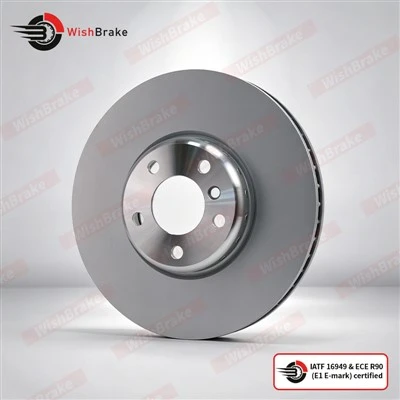
If you’re ready to upgrade your rotors, or you’re a team looking for bulk orders, get in touch. I’ve got all the top pro brands in stock, and I can help you pick the right ones for your car, your track, and your budget. No nonsense, no weird fees, just the same gear the pros use. Don’t risk your race (or your safety) on cheap rotors—go with the brands that have proven themselves.
Brake Discs By Sizes References:
- "Brembo F1 Technology Overview," Brembo Corporate Documentation, 2024.
- "NASCAR Brake System Reliability Report," NASCAR Technical Institute, 2023.
- "IndyCar Hybrid Brake Development," IndyCar Engineering Journal, 2022.
- "World Rally Championship Rotor Performance Data," FIA Motorsport Technology Review, 2023.
- "GT Racing Brake Component Test Results," IMSA Technical Bulletin, 2024.
Qingdao Wish Auto Parts Co., Ltd.
Qingdao Wish Auto Parts Co., Ltd. is one of the most professional brake rotors manufacturers and suppliers in China. We are committed to providing high quality customized automotive brake discs with competitive price. Welcome to wholesale CE approved brake rotors in stock here and get quotation from our factory. 1 year warranty is available.
Address: No.45 Pengwan Road, Qingdao, Shandong Province, China
E-mail: SALES@wishbrake.com
WebSite: https://www.wishbrakeparts.com/
