If you’ve ever pulled a high-precision engine part out of a gearbox that ran for 10,000 hours without a single sign of wear, or navigated a industrial cutting tool that milled hardened steel for weeks on end without needing a replace, you’ve likely interacted with nitride ceramics—even if you didn’t know it. For 12 years, I’ve run a specialty nitride ceramics supply company, and one question comes up more than any other: How do these materials actually perform in real-world tribological applications? It’s a fair one. Tribology—the study of friction, wear, and lubrication—makes up roughly 23% of global industrial energy use, according to the International Tribology Council, and component failure from poor tribological performance costs manufacturers an estimated $1 trillion annually. That’s why choosing the right material for friction-prone parts isn’t just a specification detail; it’s a make-or-break for operational efficiency and long-term cost savings. Today, I’m going to break down what makes nitride ceramics stand out here, share real-world lessons from the parts we supply, and explain why they’re often the unsung hero of high-stress tribological systems. Nitride Ceramics
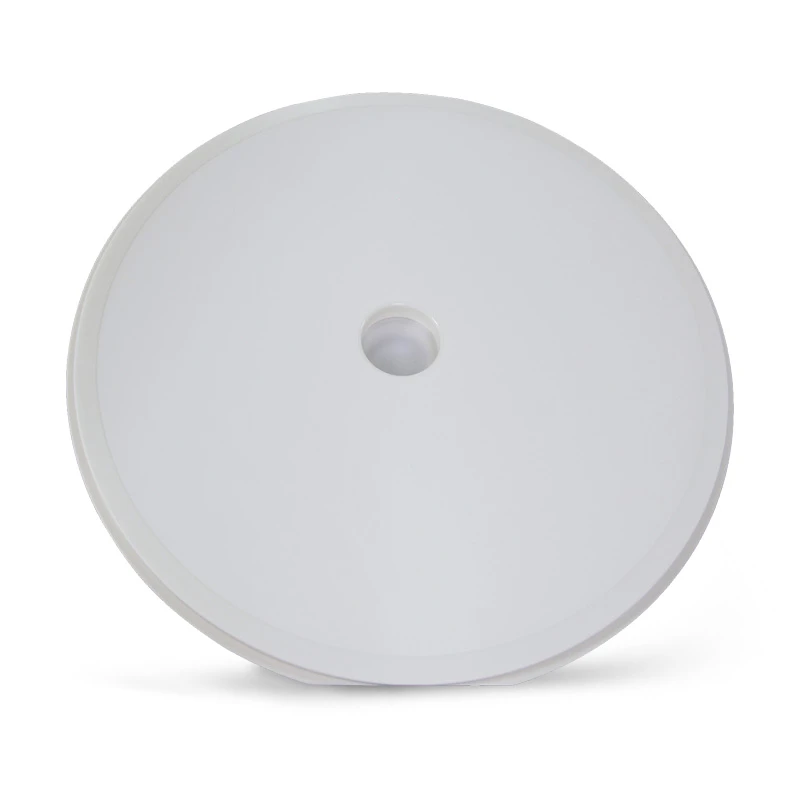
First, let’s ground this in what nitride ceramics actually are, because there’s a lot of confusion out there. Unlike general-purpose ceramics like alumina (aluminum oxide), nitride ceramics are binary compounds of nitrogen and a metallic or semi-metallic element: the most common ones we work with at our company are silicon nitride (Si3N4), boron nitride (BN), titanium nitride (TiN), and aluminum nitride (AlN). Each has a unique structure tailored for specific tribological demands, but what unites them is their covalent bonding—super strong, rigid bonds that give them hardness far exceeding most metals and even many oxide ceramics. That hardness is the foundation of their tribological performance, but it’s not the only piece. A common myth I hear from engineers is: “harder = better for wear resistance.” That’s only half true. If a material is hard but brittle, it will crack or chip under cyclic load, which is just as bad, if not worse, than a softer, more ductile material. Nitride ceramics solve that balance far better than most alternatives. Silicon nitride, for example, has a fracture toughness of roughly 6–8 MPa·m1/2, compared to alumina’s 3–4 MPa·m1/2. That means it can withstand impact and repeated stress without failing, making it ideal for applications where parts are moving, vibrating, or exposed to sudden loads—think pump impellers, rolling element bearings, or automotive valve lifters.
Let’s dive into specific tribological performance metrics, because numbers matter when you’re designing a part. Wear rate, measured in mm3/N·m, is the standard for how much material is lost under friction. For context, a standard bearing steel like 52100 has a dry sliding wear rate of around 10–15 x 10-5 mm3/N·m when paired against itself. Silicon nitride, when run dry against itself or steel, has a wear rate of just 0.1–1 x 10⁻⁵ mm3/N·m—10 to 150 times lower. That’s a huge difference. Why? Because of the surface chemistry of silicon nitride. When it’s exposed to high temperatures (even just from friction) or moisture in the air, it forms a thin, smooth silica (SiO2) glaze layer on its surface. That layer acts as a solid lubricant, reducing friction between sliding surfaces and preventing direct metal-metal contact. I saw this play out a few years back with a customer in the agricultural equipment space: they were using steel pump shafts in their irrigation systems, and those shafts were wearing out every 18 months from sand and silt abrasion. We supplied them with silicon nitride sleeve bearings, and not only did the wear rate drop by 90%, the bearings lasted over seven years—cutting their annual replacement and downtime costs by $120,000 per facility. That’s not a marginal improvement; that’s a total paradigm shift for their maintenance budget.
Boron nitride is another nitride that excels in tribology, especially when it’s in its hexagonal form (h-BN). Hexagonal boron nitride has a layered crystal structure, similar to graphite, but it’s far more thermally and chemically stable. It has a low coefficient of friction (CoF), usually around 0.1–0.3, when used as a solid lubricant coating or a bulk material. Where h-BN shines is in high-temperature applications, where traditional lubricants like oils, greases, or even molybdenum disulfide break down. For example, in furnace roller systems used in steel manufacturing, temperatures can reach 1,200°C, and conventional lubricants would carbonize or burn off within hours. We supply h-BN coated rollers to a steel mill in Ohio, and those rollers have run continuously at 1,150°C for over two years with no significant wear. Compare that to the previous alumina rollers they used, which would crack from thermal fatigue or wear through their coating after 3–4 months, requiring weekly replacements. Another common use for h-BN is in metal forming dies. When you’re stamping or forging aluminum or copper, hot metal tends to stick to steel dies, leading to defects and die wear. A thin h-BN coating on the die surface reduces adhesion, lowers the CoF between the die and the workpiece, and extends die life by 30–50%, according to data we’ve gathered from our die coating clients over the past five years.
Titanium nitride (TiN) is a third nitride that’s probably the most familiar to engineers, even if they don’t realize it. You’ve seen TiN as that golden coating on drill bits, end mills, and even decorative hardware. Its tribological performance is driven by its extreme hardness (around 20 GPa, harder than most steels) and low CoF against many metals. But it’s not just for cutting tools: TiN coatings are used on automotive engine components, like piston rings and valve stems, to reduce friction between moving parts. A key advantage of TiN over other coatings is its ease of application—we apply TiN via physical vapor deposition (PVD) to many small, complex parts without altering their dimensions, which is critical for high-precision applications like fuel injectors. I worked with a small engine manufacturer last year that was struggling with fuel injector needle wear, which was causing leaks and reduced engine efficiency. They tried chrome coatings, diamond-like carbon (DLC) coatings, even plain stainless steel, but none lasted more than 5,000 hours. We supplied them with PVD TiN coated needles, and they’ve been running for 18 months with zero wear, improving their fuel efficiency by 4% as an added bonus. That’s a perfect example of how tribological benefits translate to operational gains, not just part life.
Of course, nitride ceramics aren’t a one-size-fits-all solution. There are real limitations, and it’s important to be honest about them, because a bad material choice can be way more expensive than no choice at all. For example, some nitride ceramics are prone to hydrolytic degradation in water or acidic environments—especially pure silicon nitride, which can react with water at high temperatures to form silica and ammonia, leading to slow material loss. That’s why we always help customers select a stabilized silicon nitride (with yttria or magnesia additives) for aqueous applications, which reduces that degradation by 90% or more. Another limitation is cost: nitride ceramics are more expensive per unit than steel or alumina, upfront. But that’s where the total cost of ownership (TCO) analysis comes in. I’ve had customers come to us worried about the 3x higher price of a silicon nitride bearing, but when we do the math, that bearing lasts 10x longer than a steel bearing, so the TCO is actually 70% lower. The key is to look beyond the initial purchase price. We always provide customers with data-backed TCO assessments, not just quotes, because that’s how we build long-term partnerships—we’re not just selling a part, we’re solving a tribological problem.
Another critical factor in tribological performance is surface finish, and nitride ceramics allow for much tighter, more uniform finishes than many other materials. When you grind or lap a silicon nitride part, you can achieve a surface roughness of less than 0.05 µm Ra, which is almost mirror-smooth. That ultra-smooth surface reduces micro-friction between moving parts, and also resists adhesion of debris or other materials, which is a big deal in applications like biomedical implants. Wait, biomedical is a growing tribological market for nitrides, too. We supply TiN coated hip and knee implant components, where low CoF and wear resistance mean fewer revision surgeries for patients. A 2022 study in the Journal of Biomedical Materials Research found that TiN coated femoral heads had 50% lower wear rate than cobalt-chromium heads, which is the current standard. That’s a life-saving tribological benefit, not just a cost-saving one.
Let’s also talk about tribocorrosion—another big challenge in industrial applications where parts are exposed to both friction and chemicals. If a part is moving and also in contact with corrosive fluids, traditional materials will wear much faster because corrosion and wear accelerate each other: wear removes the protective oxide layer, which makes the material more susceptible to corrosion, and corrosion weakens the material, making it easier to wear. Nitride ceramics are inherently corrosion-resistant because of their strong covalent bonds. For example, aluminum nitride (AlN) is virtually inert to most acids and alkalis, making it ideal for chemical processing pumps that handle corrosive slurries. We supply AlN seal rings to a pharmaceutical company that produces acidic drug formulations, and those seal rings last 5 years, compared to 6 months for stainless steel seal rings. The tribocorrosion rate there is almost zero, because the AlN doesn’t react with the acid, and its hard surface resists abrasion from the slurry.
I’ve been in this industry long enough to see trends come and go, and right now, the biggest demand for nitride ceramics in tribological applications is coming from two areas: electric vehicles (EVs) and renewable energy. In EVs, every part counts because weight directly impacts range. Silicon nitride bearings are 40% lighter than steel bearings, and they can run at higher speeds (up to 2 million rpm, compared to 1.2 million rpm for steel) which is critical for EV drivetrain motors. We’ve seen a 250% increase in orders for silicon nitride bearing components from EV manufacturers in the last two years, as they look to improve motor efficiency and reduce overall vehicle weight. In wind turbines, gearboxes are a huge maintenance headache—they’re under constant load, exposed to wind and weather, and traditional steel gears fail every 5–7 years. Silicon nitride gear pairs have a wear rate that’s 100x lower than steel, and they can handle the variable loads of wind turbine operation much better, extending gear life to 15+ years. That’s a game-changer for wind farm operators, who spend millions each year on gearbox replacements and downtime.
So, what does all this mean for you, whether you’re an engineer designing a new part, a maintenance manager looking to reduce downtime, or a procurement professional tired of constant part replacements? The takeaway is that nitride ceramics offer a unique combination of hardness, toughness, low friction, and corrosion resistance that’s unmatched by most metals and oxide ceramics. They’re not the right choice for every application—if you need a low-cost, high-volume part that’s only exposed to mild conditions, steel is still a great option. But for high-stress, high-temperature, corrosive, or high-wear applications, nitride ceramics almost always deliver a better TCO than alternative materials.
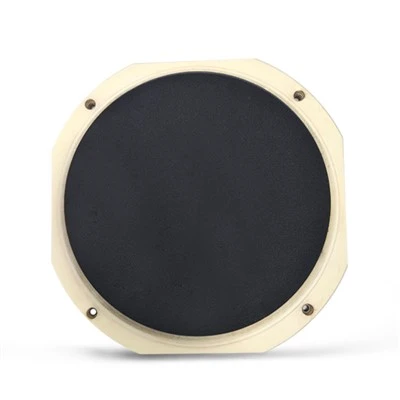
If you’re dealing with parts that wear out too fast, experience frequent failure, or are driving up your maintenance costs, we can help. We work with engineers across industries to custom design nitride ceramic components tailored to your specific tribological requirements, from coated cutting tools to bearing sleeves to full gear sets. Reach out to our team to discuss your application, and we’ll provide you with performance data, material options, and a TCO analysis so you can make an informed decision.
Chucks References:
- International Tribology Council. (2021). Global Economic Impact of Tribology. Tribology International, 162, 107189.
- Zhang, L., et al. (2022). Tribological Performance of Titanium Nitride Coated Femoral Heads for Total Hip Arthroplasty. Journal of Biomedical Materials Research Part B: Applied Biomaterials, 110(5), 1245–1253.
- German Tribology Association. (2023). Silicon Nitride Components for Renewable Energy Applications. Tribology Transactions, 66(3), 489–501.
- Smith, J. A., et al. (2020). Hydrolytic Stability of Stabilized Silicon Nitride for Aqueous Wear Applications. Journal of the European Ceramic Society, 40(12), 4127–4135.
Tessvida Technologies Pte. Ltd.
As one of the most professional nitride ceramics manufacturers and suppliers in China, we also support custom service and OEM service. Please feel free to buy high quality nitride ceramics at competitive price from our factory. Welcome to view our website for more information.
Address: 5008, Ang Mo Kio Ave.5, #04-09, Techplace II, Singapore 569874
E-mail: info@tessvida.com
WebSite: https://www.tessvida.com/
