If you’ve got an existing outdoor kitchen but are missing a sink—let’s be real, it’s a total game-changer. Think about it: no more hauling buckets of water from the hose to wash veggies, sticky grill tools, or even your hands after flipping burgers. As an outdoor kitchen supplier, I’ve helped tons of folks add sinks to their setups, and I’ve seen what works (and what’s a total hassle). Today, I’m breaking down the best ways to do this right, without turning your backyard vibe into a construction zone. Outdoor Kitchen
First off, let’s cut to the basics: you don’t have to gut your entire outdoor kitchen to add a sink. A lot of people overcomplicate it, but the truth is, it depends on a few key things—like where your water lines are, how much space you have, and what kind of use you actually get out here. Let’s start with the easiest, most low-lift option, perfect if you’re not doing major renos.
The first way I always recommend for folks new to this is a freestanding outdoor sink station. Wait, before you go “that sounds clunky”—hear me out. These aren’t those tiny plastic sinks you dragged out for a 2010 cookout. We sell solid, stainless steel freestanding units that match all our outdoor kitchen grills and cabinets. They’re basically a standalone sink with a built-in faucet, storage underneath for spray bottles or grill brushes, and they hook up to a regular garden hose. No digging, no running new pipes through your existing cabinetry. Just set it next to your grill, level it with a few shims (super easy—even a beginner can do this), and you’re good to go.
Why is this the best starter pick? For one, it’s temporary if you ever move, or if you just want to test the sink thing before committing. It’s also way cheaper than a built-in install—most folks spend $500-$1,200 on these, vs. $1,500+ for a custom built-in. Plus, it’s flexible: if you rearrange your outdoor kitchen later, you can move the sink station wherever works best. I had a customer last summer who had a small patio, so she put hers right between her grill and a side table for prep work. When she expanded her patio, she slid it over to the new seating area, and it worked like a charm. The only tiny downside is that it’s not integrated, so it takes up a little extra space—but if you’ve got a medium-sized backyard, it’s totally worth it.
Now, if you’re ready to level up and make the sink look like it was always part of your existing setup, that’s where built-in sink inserts come in. This is for folks who have extra counter space in their outdoor kitchen (like a side cabinet island that’s just sitting empty) or who don’t mind doing a tiny bit of demo. The idea is simple: you remove a section of your existing countertop—usually a 24×20 inch cutout, standard size for outdoor sinks—and drop in a stainless steel sink with a faucet. The key here is making sure the countertop is compatible. If you’ve got tile or laminate, a professional can cut a clean hole without cracking it. If it’s solid surface (like granite or concrete), you can even get a matching edge so the sink looks seamless.
Wait, but what about plumbing? This is where most people get nervous, and honestly, it’s not as scary as it sounds. If your existing outdoor kitchen already has a water line running to a grill or a refrigerator, that’s your spot. You just tap into that line with a flexible water connector, run it to the sink, and then run a drain line to a nearby utility sink or a dry well (we always recommend a dry well for outdoor drains—no soggy grass, ever). If you don’t have a nearby water line, you might need to hire a plumber to run a short line, but that’s only if your outdoor kitchen is 10+ feet from your house. Most of the time, it’s a 1-2 hour job for a pro. The best part about built-in sinks? They integrate perfectly with your existing setup. You don’t have that extra freestanding unit taking up space, and it makes your outdoor kitchen look way more polished. We’ve had customers post pics to our socials where you can’t even tell the sink wasn’t there from day one.
Now, let’s talk about the third option, which is great if you want something that’s in between freestanding and built-in: sink conversion kits for existing cabinetry. A lot of people don’t have a countertop to cut—their outdoor kitchen is just a cabinet with a grill top. So these kits are made to fit right into a standard outdoor cabinet (the ones we sell with our outdoor kitchen packages) without any major countertop work. The kit includes a stainless steel sink, a pull-down faucet, all the plumbing parts, and even a cover panel that matches your cabinet doors. You just remove the cabinet’s top panel, drop the sink in, hook up the lines, and that’s it. No cutting, no demo. I’ve had retirees do this on a weekend—they spent Saturday running the lines (with a little help from a neighbor) and Sunday washing their first batch of burgers under the new sink. It’s super popular because it uses the cabinet space you already have, so you don’t have to add a whole island. And since it’s made for our cabinets, it fits like a glove—no weird gaps or misalignments.
But wait, before you jump into any of these, there are a few non-negotiables you need to check first, because adding an outdoor sink isn’t just about picking a pretty faucet. Let’s get into the science of it, so you don’t end up with a sink that freezes or clogs in the winter.
First, frost protection. If you live anywhere that gets below freezing in the winter, this is non-negotiable. Outdoor sinks are exposed, so any water left in the lines will freeze and crack your pipes. For freestanding stations, look for ones with drain plugs at the bottom that let you empty all the water when the weather turns. For built-in or conversion sinks, you’ll need to install a frost-proof faucet—these have a stem that extends down into the cabinet, so any water in the pipe drains back into the cabinet instead of sitting in the faucet. We always tell customers in colder zones to disconnect the water line and open the drain valve in late fall, no exceptions. I’ve seen way too many folks skip this and end up with a $500 plumbing bill after one cold night.
Second, material matters. Outdoor sinks are exposed to rain, sun, grime, and grill smoke, so you can’t use the same bathroom sink you have inside. All our sinks are 304-grade stainless steel—this is the stuff that doesn’t rust, stain, or get pitted from salt or chemicals. Cheaper sinks (like aluminum or thin steel) will corrode after a year, especially if you live near the coast. The faucet is just as important: get a brass faucet with a stainless steel finish, not plastic. Plastic cracks in the sun, and brass holds up way longer. We have a lot of coastal customers who swear by our line of marine-grade faucets—they withstand salt spray without any discoloration.
Third, space for prep. A sink isn’t just for washing hands—it’s for prepping food too. When you’re adding one, make sure there’s at least a 12-inch counter space on both sides: one for holding veggies while you rinse, one for drying. If you’re adding a built-in sink to a small island, don’t cut it right in the middle—leave space on one side for a cutting board. I had a customer once cut her counter right in the center, and she ended up having to buy a tiny cutting board that only fit on one side, which was a total waste. So plan ahead for more than just washing—plan for function.
Now, let’s tackle some common mistakes people make when adding an outdoor sink, because I want you to avoid these. First, underestimating the plumbing. Even if you think you can run a hose, a proper sink needs a water line with pressure—hose bibs don’t give enough consistent pressure for washing dishes or produce. We always recommend using PVC or PEX pipes for the supply line, and a heavy-duty drain pipe (not flexible plastic) to prevent clogs. Another mistake: putting the sink too close to the grill. Heat from the grill can warp plastic parts of the faucet or even crack the countertop if it’s too close. Keep at least 18 inches between the grill and the sink—you’ll thank me when you’re flipping ribs without sweating through your shirt over a hot sink.
Wait, and what if you have a tiny outdoor kitchen, like just a wall-mounted grill? Can you add a sink to that? Absolutely. We sell compact wall-mounted sinks that hook up to a hose and have a fold-down cover so they don’t take up space when you’re not using them. They’re perfect for small patios or apartment balconies with an outdoor setup. A customer in Chicago has one on her fire escape, and she uses it to wash herbs from her window garden—total game-changer for her small space.
Now, let’s wrap this up with what I tell every customer: there’s no “best” way to add an outdoor sink—it’s about your space, your budget, and how you actually use your outdoor kitchen. If you’re on a tight budget and just want to test the waters, go freestanding. If you want a seamless look for your permanent setup, go built-in. If you have existing cabinets and don’t want to cut anything, go the conversion kit route.
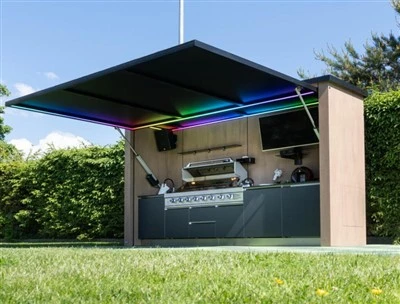
At the end of the day, adding an outdoor sink isn’t just a upgrade—it’s about making your backyard a real living space, not just a place to grill. No more tracking dirt into the house, no more wasted water from buckets, no more fighting over the bathroom sink after a cookout. It’s the little things that make outdoor entertaining easier, and a sink is one of the easiest (and most rewarding) upgrades you can do.
Glass If you’re ready to add a sink to your existing outdoor kitchen, we can help. We’ll walk you through picking the right option for your space, answer all your plumbing questions, and even connect you with trusted pros for installation if you don’t want to do it yourself. Just reach out to start the conversation—we’ve helped hundreds of people turn their backyard grilling spots into something way more functional.
References
- Outdoor Kitchen Design Association. (2022). Key Considerations for Outdoor Plumbing and Sinks.
- National Association of Home Builders. (2021). Materials and Maintenance for Outdoor Kitchen Fixtures.
- American Society of Landscape Architects. (2020). Functional Upgrades for Small-Scale Outdoor Living Spaces.
Shandong RobynGoods Imp&Exp Co., Ltd.
As one of the most professional outdoor kitchen manufacturers and suppliers in China, we also support customized service. Please rest assured to wholesale discount outdoor kitchen in stock here from our factory. Quality products and reasonable price are available.
Address: Room 414, Shengdiguangyao Mansion, Shencheng Subdistrict, Shouguang, Weifang, Shandong Province, China
E-mail: info@robynoutdoor.com
WebSite: https://www.robynoutdoor.com/
