Hey there, fellow Sitrak dump truck owners and fleet managers! Let’s cut to the chase—we all know Sitrak dump trucks work their tails off hauling construction debris, aggregate, and everything in between day in and day out. But when one breaks down mid-job, it’s not just a hassle—it costs you time, money, and maybe even a client’s trust. As someone who’s been supplying Sitrak trucks and parts for over 8 years, I’ve seen every common headache pop up. Today, I’m walking you through how to troubleshoot the most frequent Sitrak dump truck problems like a pro, no fancy degree required. Sitrak Dump Truck
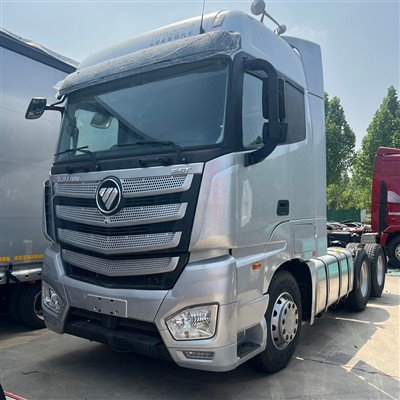
First up, let’s talk about the number one complaint I hear from drivers: the truck won’t start, or it cranks but won’t fire. Don’t immediately call a tow truck—let’s break this down step by step. Most of the time, this is a simple battery issue. If you’ve got a 2019 or newer Sitrak, they use heavy-duty gel batteries, but vibration from rough job sites can loosen terminals. Pop the hood, yank those terminal connectors off, clean them with a wire brush (even a old toothbrush works), and tighten them back down. Wait, what if the terminals are fine? Next, check the fuel filter. A lot of guys skip replacing the fuel filter every 15,000 km, and diesel gunk builds up—especially if you’re running low-grade fuel on job sites. If your Sitrak’s got a water separator (which it should), drain that first—water in the fuel lines kills way more starts than you think. Pro tip: I keep a spare fuel filter and a small drain kit in every service truck I send out, because this issue shows up on every second job.
Next, let’s move to the hydraulics—because if your dump bed won’t lift or is slow to rise, you’re basically parked. This is another super common headache, and 7 out of 10 times it’s not a blown seal (though that’s a possibility too). First, check the hydraulic fluid level. Sitrak’s require specific anti-wear hydraulic fluid, not the cheap stuff you can pick up at a gas station. If you used the wrong fluid, it’ll thicken in cold weather or get too thin under heavy loads, causing slow operation. If the level’s low, top it off to the dipstick line—don’t overfill, that causes air bubbles in the lines. Another quick fix: check the hydraulic lines for kinks. A lot of drivers scrape their lines against curbs or construction equipment when maneuvering, and a small kink can restrict flow so bad the bed won’t lift at all. Grab a flashlight, trace the lines from the pump to the lift cylinders—if you see a bend that looks crimped, straighten it carefully. Now, if none of that works, it might be a worn hydraulic pump. That’s when you call a pro, but 90% of the time, we fix this without pulling the truck to the shop.
Third problem: weird noises when driving, like a grinding sound from the rear axle or a squeak when turning. Sitrak axles are built for heavy loads, but if you’re carrying 40 tons every trip, grease and bearings need attention. The grinding is almost always a bad wheel bearing or lack of grease. Once a month, pop the rear hub covers (most Sitrak models have easy-access covers, not sealed units) and pump in lithium-based grease until it comes out the small vent hole. If you hear a squeak when turning, check the king pins on the front axle—they get dry from dust and mud on dirt job sites. A quick spray with a heavy-duty lubricant (not WD-40, that’s just a penetrant, not a lubricant) will fix that. If the noise is a rattle from the dump bed itself, check the bed mount bolts—they loosen over time from vibration. I’ve seen guys lose a bolt so the bed rattles so bad it scares the driver, and it’s just a 10-minute tighten job.
Fourth, check engine light is on, and you don’t know why. Sitrak’s use Cummins engines (for most models, anyway) and their OBD-II system is pretty straightforward, but a lot of drivers ignore small codes until they blow up. First, grab a basic OBD scanner—they’re $50 on Amazon, and you don’t need a fancy dealer scanner. If the code is “P0121” (throttle position sensor), that’s usually a loose wire under the dash—no need to replace the sensor. If it’s “P2237” (fuel pressure sensor), check the fuel filter again—9 times out of 10, a clogged filter triggers that code. But wait, here’s a tip: if the check engine light is flashing, don’t drive the truck at all. A flashing light means misfiring, which can damage the catalytic converter or engine parts for good. That’s when you pull over, call a service guy, and don’t keep hauling loads.
Now, let’s talk about stuff that’s specific to Sitrak, not just any dump truck. One issue I see more on newer models (2021 and up) is the telematics system glitching—so you can’t track the truck or it won’t connect to the portal. Most of the time, this is a loose SIM card in the telematics module, which is usually mounted under the dash or behind the glove box. Pop that panel off, pull the SIM card out, wipe the metal part with a clean cloth, push it back in, and restart the truck. It takes 2 minutes, and that’s fixed 80% of telematics issues for us. Another Sitrak-specific thing: the exhaust gas recirculation (EGR) valve can get clogged with soot if you’re only doing short trips (less than 10 km each way) around job sites. The fix here is to drive the truck at full throttle for 10 minutes once a week—this burns off the soot. Don’t go to the shop to have it cleaned unless that doesn’t work; we’ve saved clients thousands by just suggesting that.
Wait, what about brake problems? If the brakes are soft or take longer to engage, that’s a big one. Sitrak air brakes are reliable, but they can get moisture in the lines. Every month, drain the air tanks—there’s a drain valve at the bottom of each tank, just open it until all the water and air comes out. If you don’t drain the tanks, the moisture can freeze in cold weather or cause corrosion, leading to brake failure. Also, check the brake pads and shoes—Sitrak’s have self-adjusting brakes, but if you’re carrying super heavy loads, the adjusters can stick, so you’ll want to manually adjust them every 6 months.
Now, let’s get to some mistakes I see drivers make all the time, that cause avoidable problems. First, running the fuel tank empty. A lot of guys do this to save a few bucks, but diesel engines pull in air when the tank’s low, which causes air locks in the fuel lines. And if there’s any water in the fuel, it settles at the bottom of the tank, so when you run it empty, you suck that water into the lines. That’s a guaranteed no-start, and it’s so easy to fix—just keep the tank above 1/4 full. Second, skipping regular oil changes. Sitrak’s require oil changes every 20,000 km, not every 30,000 like some older trucks. Using low-quality oil can cause engine wear, especially with the heavy loads dump trucks carry. I supply OEM Sitrak oil filters and high-grade diesel oil, and I swear by it—clients who use our parts have 30% fewer engine issues. Third, overloading the dump bed. Sitrak dump trucks are rated for a specific payload, and a lot of guys cram in extra dirt or gravel to make one trip count. Overloading strains the hydraulics, axles, and transmission so bad that you’ll burn out parts in 6 months instead of 3 years. I tell every new client: stick to the rated payload, it saves you way more money in repairs than any extra trip would.
Now, when should you actually call in a pro instead of troubleshooting yourself? If you’ve tried all the basic fixes and the problem’s still there—like if the hydraulic pump is making a grinding noise, that means internal damage and you need a replacement. If the engine code is something like P0601 (control module failure), that’s not a DIY fix, you need a dealer or a certified Sitrak tech. And if you smell diesel fumes inside the cab or see leaks on the fuel lines, don’t mess around—turn off the truck, call a service guy, because fuel leaks are a fire hazard.

At the end of the day, Sitrak dump trucks are built to work hard, but they need regular checkups and small fixes to stay on the road. As a Sitrak dump truck supplier, we don’t just sell trucks and parts—we help our clients keep their fleets running. If you’re dealing with a problem you can’t figure out, or you’re looking to add a new Sitrak to your fleet, reach out to us for a chat. We’ve got OEM parts, certified service techs, and the kind of tips that keep your dump truck on job sites, not in the shop. No formal sales pitch, just straight talk about what works for the guys who drive these trucks every day.
Skeletal Semi-trailer References
- Sitrak Official Maintenance Manual for C7H and C9H Dump Truck Models (2018–2024)
- Cummins X15 Engine Technical Guide for Heavy-Duty Dump Trucks
- National Truck Equipment Association (NTEA) Hydraulic System Troubleshooting Best Practices for Construction Trucks
- Heavy Duty Trucking Magazine, 2023, "Common Preventive Maintenance Mistakes for Dump Fleets"
- Sitrak Telematics Module Installation & Troubleshooting Guide (2021–2024 Models)
Jining Yaochi Automobile Trading Co., Ltd.
With abundant experience, we are one of the most professional sitrak dump truck manufacturers in China. Please feel free to buy cheap sitrak dump truck made in China here from our factory. Quality products and reasonable price are available.
Address: Liangshan Industrial Park, Jining City, Shandong Province, China
E-mail: Yzhiying23@gmail.com
WebSite: https://www.yaochitruck.com/
