Hey everyone, thanks for stopping by my little corner of the internet—especially if you’re someone in pharma packaging who’s been curious about whether automatic boxing machines actually fit your needs. Let me cut to the chase: I sell automatic boxing machines, and yes, they 100% can be used for pharmaceutical packaging. But before we dive into why, I wanna tell you a quick story that made this click for me. A couple years back, a pharma client hit me up panicking. They were packaging over-the-counter allergy pills, and their old line was so slow—they were dealing with constant overflows, mislabeled boxes, and even a couple mix-ups where wrong pill doses ended up in the wrong packs. That’s when I realized: pharma packaging isn’t just about slapping stuff in a box. It’s about precision, compliance, and speed that doesn’t cut corners. Automatic Boxing Machine
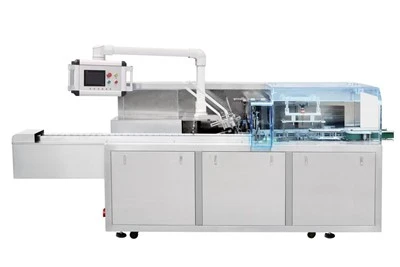
First, let’s get one thing outta the way: people often mix up “automatic boxing machines” for just random box-stuffers. No, not mine. The ones we build (and I’d guess most legit suppliers build) have got features tailored exactly for pharma’s unique rules. Let’s break down the big ones. For starters, there’s validation. Pharma’s FDA and GMP rules aren’t suggestions—they’re non-negotiable. My machines don’t just box whatever comes down the line; they have built-in track-and-trace systems that log every single pack, every box, every seal. That means no more guessing if a batch meets compliance. If the FDA comes knockin’, you can pull up a log in two clicks instead of spending days sifting through manual records. Also, we use materials that play nice with pharma products—stainless steel frames, food-grade (and drug-grade, duh) contact parts, no crevices where dust or residue can hide. Manual boxing lines are full of those gaps—something that’s a big no-no when you’re packaging meds.
Then there’s speed and accuracy. The pharma industry moves—even more so post-pandemic, when supply chains were stretched thin and brands needed to get flu shots, antibiotics, and OTC meds on shelves fast. My automatic boxing machines can handle anywhere from 100 to 1,200 boxes per minute. Wait, let’s compare that to a human: a good packer might do 25 boxes a minute, max, and even then, they’ll make a mistake every few hundred. I’ve seen clients switch from manual lines to ours and cut their boxing errors by 99%. No more wrong box sizes, no missing inserts (those little info leaflets that tell you dosage?), no skipped seals. For pharma, a misprinted insert or a box with no seal isn’t just a hassle—it’s a safety issue. That’s the kind of thing that can get a brand pulled from shelves, so the precision of an automatic machine is a game-changer.
But wait, some folks in pharma are skeptical—says automatic machines are too rigid, can’t handle small batch sizes or different product lines. Let’s address that. Yeah, old-school automatic machines were one-trick ponies, but not the ones we build. Our machines are modular. If you need to switch from packaging 50-count pill bottles to 10-count blister packs, you can swap out parts in 15 minutes flat. No need for a whole new machine, no downtime that costs you thousands. For small-batch pharma brands or contract packagers who do a bunch of different products, that’s huge. I’ve got a client who does custom vitamin packs and prescription refills—they switch between 12 different product lines a week, and our machine handles it without breaking a sweat.
Now, let’s talk about a common misconception: automatic boxing machines replace workers. No, they empower workers. The folks on your line don’t have to do the repetitive, error-prone part of boxing—they can move to checking quality, fixing any small snags that pop up, and even training new hires. I’ve had clients tell me their employee turnover dropped after switching, because the work is way less tedious. And let’s be real: pharma companies are already short-staffed in a lot of areas. Why not use a machine to handle the grunt work so your team can focus on the stuff that matters?
Of course, there are things you gotta get right if you’re gonna use an automatic boxing machine for pharma. First, make sure the machine is validated for your specific product. Not all meds are the same—liquid vials are different than solid pills, which are different than topical creams. My team works directly with clients to test the machine with their actual products before we even install it. That way, there’s no “oops, this doesn’t fit” surprises. Second, don’t skip training. I know, some suppliers act like you just plug it in and go, but pharma machines are complex. We do on-site training for every client, and we’re on call 24/7 if something goes wrong. Last, don’t forget integration. Your boxing machine shouldn’t work in a vacuum. It needs to connect to your existing blister packaging, labeling, and case-sealing lines. That’s why our machines are designed to work with most standard line equipment—we don’t force clients to rip out their whole setup.
Let me throw in a real example. A few months back, a generic drug manufacturer reached out to me. They were packaging 10,000 bottles of blood pressure meds a day, and their old line was falling behind. They were missing shipping deadlines, and the FDA had flagged a batch for a mislabeled box. We installed one of our automatic boxing machines, hooked it up to their existing labeling line, and within a week, their error rate was zero. They even got a $15k bonus from a major retailer for meeting all shipping targets on time. That’s the kind of win you get when you pair the right machine with pharma’s needs.
But wait, what about cost? I get it—automatic machines are an investment, not a cheap gadget. But let’s crunch the numbers. The client I just mentioned saved almost $50k a year in labor costs (they didn’t have to hire three extra packers) and avoided potential fines that would’ve been way more than the machine itself. For pharma, where compliance errors can cost millions in recalls and fines, that ROI is fast. Our machines also come with maintenance packages that are way cheaper than fixing a line breakdown, so you’re not stuck with surprise costs.
Another thing: sustainability. A lot of pharma brands are trying to cut down on waste, right? Manual boxing lines have a lot of wasted material—over-boxing, mis-cut inserts, extra seals. Our machines are calibrated to use exactly the right amount of box material, the right size insert, no extra seals. One client told me they cut their packaging waste by 22% after switching, which also saved them on material costs. It’s a win for your bottom line and the planet.
Now, let’s be honest—this isn’t for every pharma operation. If you’re a tiny, local pharmacy packaging a couple hundred small med packs a week, an automatic machine might not make sense. But if you’re a mid-sized to large brand, a contract packager, or anyone handling consistent (or semi-consistent) batches, it’s worth looking into. The key is to find a machine supplier who gets pharma, not just general manufacturing. A lot of suppliers will try to sell you a machine that works for toys or electronics, not meds. That’s where my team comes in—we’ve been working with pharma companies for 15 years, so we know the rules, the products, and the pain points.
So, should you make the switch? If you’re tired of errors, late shipments, high labor costs, or compliance headaches—hell yeah. Automatic boxing machines aren’t just a “nice-to-have” anymore. They’re a necessary part of modern pharma packaging. They keep products safe, keep your line running, and keep you out of trouble with regulators.
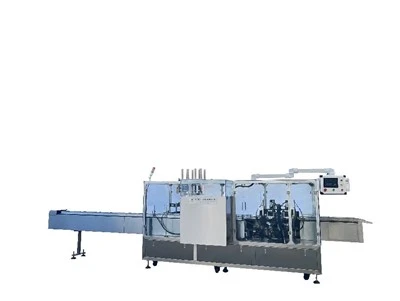
If you’re curious to chat more—whether you’re trying to figure out if a machine fits your line, want a custom quote, or just have questions about how it works—hit me up. No pressure, no sales pitch that’s hard to follow, just straight answers from someone who’s been in this game long enough to know what actually works for pharma. Let’s connect and see how we can make your packaging line better.
Automatic Bagging Machine References
- U.S. Food and Drug Administration. (2023). Current Good Manufacturing Practices (CGMP) for Finished Pharmaceuticals.
- International Society of Pharmaceutical Engineering. (2022). Validation of Packaging Equipment for Pharmaceutical Applications.
- Pharmaceutical Processing World. (2023). Automation Trends in Pharma Packaging: Reducing Errors and Increasing Efficiency.
- World Health Organization. (2021). Good Manufacturing Practices for Pharmaceutical Products.
- Packaging Digest. (2022). The ROI of Automatic Boxing Machines for Contract Pharma Packagers.
Zhejiang Tuoyu Packaging Machinery Co., Ltd.
Zhejiang Tuoyu Packaging Machinery Co., Ltd. is one of the most professional automatic boxing machine manufacturers and suppliers in China. With abundant experience, we warmly welcome you to wholesale durable automatic boxing machine made in China here from our factory. Good service and quality products are available.
Address: Workshop No.12, No.11-19, Xinbin Road, Binhai New Area, Pingyang County, Wenzhou City
E-mail: lisa@tuoyupack.com
WebSite: https://www.tuoyupack.com/
