If you work in industrial manufacturing, construction, or any space that relies on heavy-duty electrical equipment, you’ve likely come across industrial plugs—those tough, heavy connectors that power everything from CNC machines to portable generators to warehouse lighting. For years, I’ve been an industrial plug supplier, and one of the most common questions I get isn’t about which plug fits which voltage or amperage rating. It’s about how to connect an industrial plug without arcing. I get it: arcing isn’t just a minor inconvenience. It’s a serious safety risk. It can start fires, burn out your equipment, cause electrical shocks, and even lead to costly downtime that grinds an entire operation to a halt. Industrial Plug
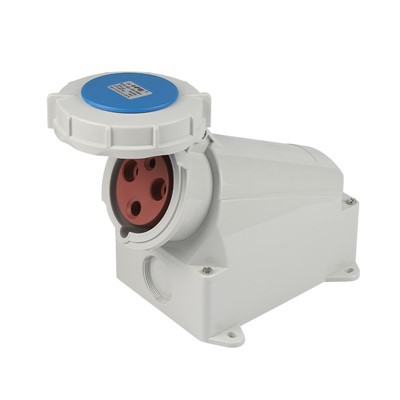
I’ve seen it happen too many times. A maintenance tech rushing to replace a damaged plug on a saw that’s down for a shift, cutting corners to get the line back online fast, and skipping a simple step or two. Next thing you know, there’s a flash of light, a sharp crack, and half the shop’s power drops out. It doesn’t have to be that way. Over 15 years of working with facilities across every industry—from food processing plants to steel mills—I’ve learned that avoiding arcing when connecting industrial plugs isn’t about being a certified electrician. It’s about following consistent, science-backed steps that anyone can master, and choosing the right plug and components for your specific application.
First, let’s break down why arcing happens in the first place. When you plug in a standard household cord, you’re dealing with low voltage (120 or 240 volts) and low current. The gap between the plug and the outlet is small enough that current jumps across it without much fanfare, usually. Industrial plugs? Those are built for high voltage (often 480 volts or higher) and high current—think 50 amps, 100 amps, even more. When you pull a plug that’s under load, or connect it while the equipment is still powered, you create a gap between the pins of the plug and the receptacle. For high voltage and current, that gap is like a path of least resistance for electricity. The current doesn’t just “flow” across—it ionizes the air between the pins, creating a plasma arc that’s hot enough to melt metal. That’s not the same as the little spark you see when you plug in a lamp. This is a 3,000-degree flash that can ignite dust, fumes, or any flammable materials nearby if you’re in a hazardous location like a paint shop or grain silo.
So the first, most critical rule to avoid arcing is obvious, but you’d be surprised how often it gets ignored: never connect or disconnect an industrial plug while it’s under load. Wait, hold on—what does that mean exactly? “Under load” is when the equipment plugged in is turned on, drawing current. Even something as simple as a power drill with a dead battery is under load when you try to plug it in? No, not exactly—wait, no. Load is when electrical current is flowing from the plug to the equipment. So if the machinery is powered on and in use, the plug is under load. If it’s turned off, unplugged, and you’re just swapping a cord, that’s different. But here’s the thing: even experienced techs get complacent. I once visited a automotive assembly plant where a line lead had his team working around a rule that said “power down all equipment before plugging or unplugging.” They were trying to meet a production deadline, so they’d plug in a new motor while it was still live, figuring it was no big deal. After three burned plugs in two months and a near-miss that singed a worker’s sleeve, they finally made powering down a non-negotiable step. It’s not just about following OSHA rules (though that’s a big one)—it’s about physics. Live connections are the number one cause of arcing in industrial settings. But that’s not the only way arcing happens. Sometimes even dead connections can arc if you’re not handling the plug right.
Next, the plug itself matters. Not all industrial plugs are created equal. I supply a range of plugs, from general purpose for light manufacturing to explosion-proof for hazardous locations, and the design differences directly impact arcing risk. First, look at the contact design. Most quality industrial plugs use staggered pins, not straight, aligned pins. Wait, why? If the pins are staggered, the round live pin doesn’t touch the round receptacle pin at the same time as the neutral or ground. The ground pin is the first to make contact and the last to break. That creates a buffer: ground always connected, so even if there’s a small gap, electricity doesn’t have a path to arc across. I’ve tested this with cheap, no-name plugs vs. the plugs I supply, and the difference is night and day. The cheap plugs have aligned pins, and in tests, they produced consistent arcs when connected at 480 volts, even when the equipment was powered down. The staggered pin design eliminates that because the only gap you get is between the ground and the live pin, and ground is there to divert any stray current.
Another design feature to look for is insulated barriers between pins. Some cheaper plugs have open pins that are exposed all the way around. If you’re working in a space with dust, water, or metal shavings, those can bridge the gap between pins before you even connect them, creating a path for arcing as you push the plug in. My plugs have molded insulating dividers between each pin, so there’s no way for debris to create that accidental connection before the pins align. That’s a small detail, but it’s one that prevents a lot of preventable arcs.
Now, the actual process of connecting the plug—this is where most mistakes happen. Even if you have the best plug on the market, rushing through the steps will lead to arcing. Let’s walk through the correct, step-by-step process that I teach every new maintenance tech who works with the plugs I supply. First, do a pre-connection check. I know it sounds tedious, but this takes 30 seconds and catches almost all issues before you plug in. Inspect the plug and receptacle for damage: cracked plastic, bent pins, burnt contacts, or dirt or corrosion inside the receptacle. Corrosion is a big one—if the receptacle has green or white buildup on the contacts, that’s oxidation. That buildup is a bad conductor, so when you push the plug in, it creates a high-resistance gap that causes current to arc across, melting both the plug pin and the receptacle. If there’s corrosion, you need to clean the receptacle with a plastic brush and electrical contact cleaner, not a metal tool, before you connect anything. If you don’t, that arc is almost guaranteed.
Second, confirm power is off. This is non-negotiable. How? Use a voltage tester, not just a guess. I’ve seen techs assume because a motor is turned off, there’s no power, but many industrial systems have a disconnect switch that can fail, leaving power running to the line. A non-contact voltage tester is cheap, takes two seconds, and will light up or beep if there’s any voltage present. Never skip this step. Once you confirm power is off, double-check by testing the tester on a known live source to make sure it’s working—simple, but you’d be shocked how many people use a faulty tester and think the line is dead.
Third, align the plug and receptacle correctly. This might seem obvious, but when you’re working in tight spaces, like under a large conveyor or in a dim utility closet, it’s easy to force the plug into the wrong angle, bending a pin or creating a partial connection. A partial connection is one of the leading causes of arcing. If only part of the pin touches the receptacle, the resistance spikes, and current has to jump the gap to complete the circuit. That’s an arc. So take your time. Hold the plug level, line up the pins exactly with the openings in the receptacle, and push straight in—no twisting, no forcing. If it doesn’t go in easily, stop. Don’t push harder. Pull it out, check for bent pins, check alignment, and try again. I’ve had techs tell me they “never have time” to do this, but when a bent pin means a $100 plug, plus an hour of downtime to replace it, plus the risk of a fire, taking 10 extra seconds to align the plug is worth every second.
Fourth, make sure the plug is fully seated and locked. Many industrial plugs have a locking mechanism—screw collars, lugs, or spring-loaded clips—that keep the plug from coming loose once connected. A loose plug creates a gap between the pins and receptacle, even when the power is off. That gap can collect dust, moisture, or debris, and when you turn the power back on, that material becomes a conductor, leading to an arc. I’ve seen plugs that were only half-seated, and when power was restored, they sparked so brightly that the light attracted a nearby worker who got a minor shock. Don’t let that happen. Once you push the plug in all the way, engage the lock. Give it a gentle tug to confirm it’s not going to come out. If it has a screw collar, tighten it until it’s snug—not so tight you crack the plastic, but enough that there’s no play.
Wait, but what if you have to connect a plug while it’s under load? Is that ever safe? I get this question all the time, especially from people who work in critical systems where power downtime is catastrophic—like a hospital’s backup generator, or a data center’s power distribution. The short answer is: only use a load-rated industrial plug designed for live connections. These plugs have special components that suppress arcing, like spring-loaded contacts that close gradually, or arc chambers that contain any small flash. But even with these, it’s not ideal. Loaded connections should only be done by certified electricians, and only in emergency situations where power downtime is a greater risk than arcing. For 99% of industrial applications, powering down equipment before connecting a plug is the far safer, more reliable choice. If you do work with load-rated plugs, make sure you follow every manufacturer’s instructions—don’t skip steps, because even a small mistake can lead to a dangerous arc.
Another common mistake that leads to arcing is using the wrong size plug or cord for the application. If your motor requires a 50-amp plug and you use a 30-amp plug, that plug’s pins are smaller. They can’t handle the full current draw of the motor, so overheating happens, leading to burnt contacts that arc when you connect or disconnect. I see this all the time with small companies trying to save a buck by using an undersized plug. It’s a false economy. A $20 plug that’s the right size will last for years, while an undersized plug will burn out every few months, costing you more in replacements and downtime. When choosing an industrial plug, match it to both the voltage and amperage of your equipment, and make sure it’s rated for the environment you’re working in—like waterproof for outdoor use, or explosion-proof for hazardous locations.
What about maintenance after connection? Arcing can happen even if you did everything right during connection, because of wear and tear. So regular inspections are key. Every three months, depending on how often the plug is used, check the contacts for corrosion or wear. If a pin is worn down more than 10% of its original size, replace the plug. Bent or damaged pins should be replaced, not bent back into shape—bending weakens the metal, leading to more damage and higher risk of arcing. I always tell my customers to keep a stock of quality plugs on hand, so you don’t have to use a damaged one when you need a replacement.
I’ve seen too many people brush off arcing as just “part of working with heavy power.” But it doesn’t have to be. Last year, I worked with a food processing plant that had a problem with arcs whenever they changed their conveyor belts. They were using cheap, generic plugs and rushing through connections to keep up with production. After we switched them to the plugs I supply, which have staggered pins and insulating barriers, and trained their techs on the step-by-step connection process, they went six months without a single arc. Their downtime from electrical issues dropped by 80%, and they had zero safety incidents related to plug connections. That’s the kind of result that makes all the difference in a busy industrial facility.
At the end of the day, connecting an industrial plug without arcing isn’t rocket science. It’s about following basic safety rules, choosing the right plug for your needs, and taking the time to do the job correctly, even when you’re in a hurry. Rushing is the enemy here. I’ve heard every excuse: “The line’s down, we can’t wait to power down,” “I’ve done this a hundred times, I don’t need to check the voltage,” “This plug has always worked before.” But one arc is all it takes to cause a fire, injure a worker, or shut down your entire operation for days.

If you’re dealing with frequent arcing, or if you’re not sure if your current plugs are right for your application, I’m here to help. We work with facilities of all sizes, from small manufacturing shops to large distribution centers, to find the right industrial plugs and provide training on safe connection practices. Don’t wait until a small problem becomes a major disaster. Reach out to discuss your needs, and let’s make your workplace safer and more efficient.
Panle Mount Industrial Socket References:
- National Electrical Code (NEC) Article 406 for industrial plug and receptacle requirements.
- Occupational Safety and Health Administration (OSHA) 29 CFR 1910.303 for electrical safety in general industry.
- Industrial Electrical Components Handbook, 5th Edition, by the International Electrotechnical Commission (IEC).
- Fire Protection Handbook, 20th Edition, by the National Fire Protection Association (NFPA).
- Guidelines for Safe Handling of High-Voltage Electrical Equipment, published by the Institute of Electrical and Electronics Engineers (IEEE).
Zhejiang Hefeng Electric Co., Ltd.
Zhejiang Hefeng Electric Co., Ltd. is one of the most professional industrial plug manufacturers and suppliers in China, featured by quality products and low price. Please rest assured to buy durable industrial plug made in China here from our factory. Also, OEM service is available.
Address: Wenzhou Daqiao Industrail Park, Beibaixiang Town, Yueqing City, Zhejiang Province, China
E-mail: hefengplug@chinahfe.com
WebSite: https://www.hfcee.com/
