Hey everyone, it’s Jake here—co-owner of a small, no-BS PVG conveyor belt supply company, and today I’m answering the question I get at least three times a week from new clients (and even some folks who’ve been in the industry for ages): Where actually do people use PVG conveyor belts? Because when I first got into this game, I’ll admit I didn’t know the difference between a regular rubber belt and PVG until I messed up a quote for a mining client once (yikes—never again). So let’s cut the jargon, keep it real, and break down exactly where these workhorses earn their keep. PVG Conveyor Belt
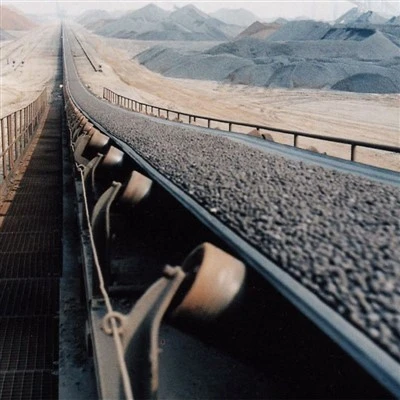
First off, for anyone who’s new here: PVG stands for Polyvinyl Glycol, right? Wait, no—wait, actually, it’s a specific type of rubber compound that’s way more resistant to oil, heat, and harsh chemicals than standard rubber. I always explain it like this: if a regular conveyor belt is a basic grocery bag, a PVG belt is a heavy-duty, leak-proof tote that works in places where even good old rubber would melt, slip, or break. I learned that the hard way when a client in the automotive parts industry called me panicking because their standard belts were crumbling after just a month of moving motor oil and brake fluid—switched to PVG, and they’ve been a repeat client ever since.
Now, let’s get into the actual use cases, because that’s what you’re here for. Let’s start with the big one: automotive manufacturing. If you’ve ever toured a car factory, you’ve seen those assembly lines where parts zoom around like little metal ants—engine blocks, transmissions, plastic trim, all moving nonstop. Most of those factories handle tons of lubricants, hydraulic fluids, even degreasers that spray everywhere during part cleaning. Standard rubber belts swell up and slip when exposed to that stuff, but PVG? It repels oils like a raincoat repels water. We recently supplied a line to a big truck plant in Ohio, and their maintenance team said they haven’t replaced a single PVG belt in 18 months—whereas before they were swapping standard belts every 2-3 months. That’s the kind of win I live for.
Next up: food and beverage processing. Wait, hold on—don’t think all food-grade belts are the same. A lot of people assume any rubber belt works for moving snacks, but if you’re moving things like fried chicken batter, soft drinks, or even dough that’s been dusted with flour (wait, flour can be slippery, right?), you need something that’s not just non-toxic, but also resists moisture and constant cleaning. Because food factories pressure-wash their lines every single day—standard rubber breaks down in that kind of repeated high-water, high-detergent environment. PVG belts? We make a food-grade version (super important—FDA-compliant, no weird chemicals leaching into your snacks) that doesn’t get soggy or start to peel after months of pressure washing. I had a small craft brewery reach out last year because their standard belts were slipping when moving cases of beer off the bottling line—switched to PVG, and they’ve cut their belt replacement costs by 40%. Even bakeries use them for moving raw dough, because PVG doesn’t absorb the yeast or flour mix like standard rubber does.
Then there’s the construction and mining industry—wait, I know what you’re thinking: mining belts are big, heavy, made to carry rock. But wait a second—mining sites also have tons of hydraulic oils for their equipment, diesel fumes, even occasional chemical runoff from processing ores. And construction sites? They move things like asphalt, which gets hot—like, really hot, up to 150°F hot. Standard rubber belts would melt or get sticky and carry asphalt bits everywhere, but PVG can handle that kind of heat without deforming. I worked with a mining operation in Wyoming a couple years back that was moving crushed coal and small amounts of mineral processing chemicals; their previous belts would crack and tear when exposed to the chemical runoff, but PVG’s resistance to harsh chemicals meant their belt downtime dropped by almost 60%. Construction guys also love PVG for moving concrete blocks and bricks—those are heavy, so the belt needs grip, and PVG has a higher coefficient of friction than regular rubber, so less slipping and fewer dropped loads.
Wait, let’s not forget the recycling industry—this is a big one that a lot of people overlook. Recycling centers process all kinds of stuff: plastic bottles, aluminum cans, glass, even old car parts. Those plastic bottles? They often have leftover soda, juice, or even cleaning products in them—all things that would eat through a standard rubber belt. Glass is sharp, so the belt needs to be durable, and the whole process involves constant moisture from washing and sorting. We supply PVG belts to a major plastic recycling facility in Indiana, and their maintenance manager told me last month that they haven’t had a belt tear from sharp plastic or chemical exposure in over a year. That’s a huge deal for recycling centers, which operate 24/7 most of the time—any downtime costs them money, plain and simple.
Oh, and another underrated spot: logistics and warehouse operations, especially the ones that handle heavy industrial goods, not just Amazon packages. Wait, when I say industrial goods, I mean things like metal pipes, heavy machinery parts, even pallets of chemicals or fertilizers. Those pallets can leak, right? Fertilizer has chemicals, some fertilizers are even slightly acidic, and chemical pallets obviously have spills. If you’re moving those on standard conveyor belts, you’re looking at corrosion and damage. PVG belts resist those acidic and chemical spills way better than standard rubber, so warehouses can keep their lines running without replacing belts every few months. I had a large agricultural supply warehouse in Iowa reach out to me last winter because their belts were deteriorating after moving bags of fertilizer in freezing temperatures—PVG actually performs better in cold weather too, it doesn’t get brittle like standard rubber does. That’s a double win for them.
Now, I should also mention when people don’t usually use PVG, because that helps clarify things. If you’re moving light, dry, non-chemical materials like cardboard boxes or plain paper products, a standard rubber belt is totally fine—you don’t need the extra resistance. But if your line deals with any combination of oil, heat, harsh chemicals, moisture, or heavy, slippery loads? PVG is almost always the better call. And here’s a little tip: not all PVG belts are the same. I’ve had clients come to me after buying cheap PVG belts from overseas that started falling apart in a month. We source ours from reputable manufacturers, test every batch for chemical resistance, heat tolerance, and grip, so you’re not just getting a label—you’re getting a belt that works when you need it.
Let me be real with you: I started this company because I saw too many small businesses getting overcharged for conveyor belts that weren’t right for their job, or buying cheap belts that broke down and cost them way more in downtime. That’s why I take the time to talk through each client’s specific needs—do you have oil spills? Heat? Sharp materials? I don’t just sell a one-size-fits-all belt; I help them pick the right PVG belt for their exact situation.
If you’re dealing with a line that’s having belt issues—slipping, tearing, breaking down from chemicals or heat—or you just want to upgrade your current system to cut maintenance costs, hit me up. We don’t do fake “industrial discounts” that only work for big corporations, we work with small factories, breweries, warehouses, mining operations, anyone who needs a reliable conveyor belt that doesn’t quit when they need it most. Shoot me a message, tell me what you’re moving, what your environment is like, and I’ll hook you up with a quote that makes sense. No sales pitch, no hidden fees, just honest advice and a product that works.
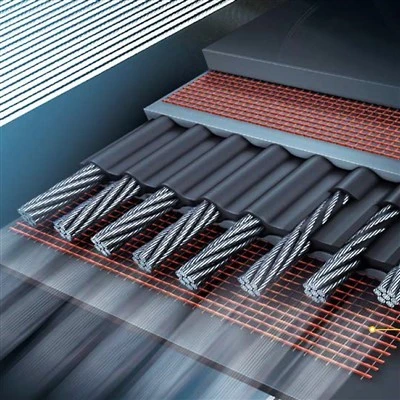
At the end of the day, PVG conveyor belts aren’t just another industrial part—they’re the workhorses that keep all kinds of businesses running, from car factories to breweries to recycling centers. The next time you see a line moving parts or materials in a tough, harsh environment, there’s a good chance it’s a PVG belt doing the heavy lifting. And if you need one that actually lasts, you know where to find me.
Rubber Conveyor Belt References:
- Industrial Belt Manufacturers Association. (2022). Guide to Specialized Conveyor Belt Compounds.
- Food and Drug Administration. (2021). Compliance Guidelines for Food-Contact Conveyor Belts.
- Mining and Quarrying Safety and Health Administration. (2023). Conveyor Belt Durability in Harsh Mining Environments.
- Global Recycling Association. (2022). Operational Efficiency in Material Recovery Facilities.
- Construction Industry Institute. (2021). Conveyor Belt Performance in High-Temperature Construction Applications.
Alumina Technology (Qingdao) New Materials Co., Ltd.
As one of the most professional pvg conveyor belt manufacturers and suppliers in China, we also support customized service. With abundant experience, we warmly welcome you to buy pvg conveyor belt for sale here and get quotation from our factory. For price consultation, contact us.
Address: No.448, Jiangshan South Road, Huangdao District, Qingdao City, Shandong Province
E-mail: Gloria.zhang@contitech.cn
WebSite: https://www.altechconveyorbelt.com/
