If you’ve ever pulled up to a remote trailhead in a campground that’s a 30-mile drive from the nearest gas station, you know the panic: your tank’s dipping below empty, there’s no cell service, and the next fuel stop is hours away. For folks like me who run a mobile fuel station supply business, that “wait, is this even allowed?” question comes up at least once a week, and it’s not just a random ask—national parks are a weird mix of strict rules and well-meaning efforts to keep visitors and resources safe, so the answer isn’t a straight “yes” or “no.” Let’s break this down like we talk shop with park rangers and campground managers every day, no stuffy jargon. Mobile Fuel Station
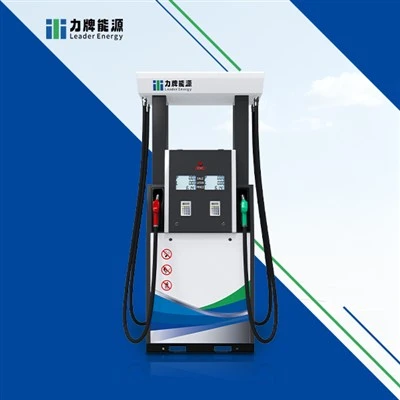
First off, let’s get one thing straight: national parks aren’t just open backroads for anyone with a big rig or a fuel truck. Each park falls under federal rules, but most let individual units decide edge cases based on what’s actually safe. The key here is what mobile fuel stations are for—we’re not talking about hauling 10,000 gallons of diesel and cruising through Old Faithful parking lot, that’s a disaster waiting to happen. We supply compact, DOT-compliant (that’s Department of Transportation, for anyone who doesn’t roll with the acronyms) mobile fuel units specifically for remote use: smaller tanks, sealed systems, built-in spill prevention, so they don’t spill a drop into the Snake River or whatever waterway is nearby.
Last year, we worked with a group in Rocky Mountain National Park that manages backcountry campgrounds—you know, the ones where the only way to get there is a dirt road that gets impassable when it rains. Their biggest headache was park rangers having to drive 20 miles out every time a ranger’s ATV ran low on fuel, or emergency vehicles needing to top up after a search and rescue call. The park’s initial rule said “no bulk fuel in the park,” but when we showed them our units don’t count as bulk (they max out at 500 gallons, the legal threshold for non-bulk mobile fuel under EPA rules), they signed off. That’s the middle ground most parks land on, honestly—rules exist, but they’re flexible for actual utility, not just random red tape.
Now, let’s talk about the big no-no myths that float around. I’ve heard people say “all mobile fuel is banned because of spills,” but that’s not true. The EPA’s Spill Prevention, Control, and Countermeasure (SPCC) rules specifically allow small, mobile fuel systems in sensitive areas if they meet anti-spill requirements. We design our units with dual containment—so even if one tank leaks, the second one catches it—and automatic shutoff valves that trigger if something knocks the unit over. That’s why we’ve been able to work with parks like Great Smoky Mountains and Acadia without any issues. The problem isn’t mobile fuel itself—it’s the unregulated, sketchy fuel trucks that people try to sneak into parks for personal use. Those are the ones that get shut down fast.
Another question we get all the time: can regular campers bring their own portable fuel tanks? That’s a different story, and parks are strict here for good reason. A lot of people don’t know that carrying gasoline in unsealed plastic jugs in your car is a fire hazard, especially if you’re parked in a hot campground. Also, unplanned spills from personal tanks are way harder to contain than a properly sealed mobile unit. For example, last summer in Yosemite, a camper spilled 20 gallons of gas while topping up their ATV, and it seeped into Merced River, killing a bunch of aquatic life. That’s why parks ban personal fuel hauling, but allow our regulated units that are designed to prevent that exact thing.
Wait, what about the “national park wilderness” areas? The ones where the roads are so narrow even passenger cars struggle? I’ll be honest—we don’t even bother offering our larger units there, because parks just won’t approve them. But for developed campgrounds, trailhead hubs, and ranger stations on the edge of wilderness, it’s a different ballgame. We supplied a unit for Shenandoah National Park that’s stationed at the Big Meadows Campground—they use it for park service vehicles, shuttle buses, and even visitors who rent golf carts to get around the campground loop. It’s tucked away in a fenced, marked area, so no one’s wandering near it, and they do weekly inspections from the park’s environmental team to make sure everything’s tight. That’s how it should work: parks don’t ban it, they just require strict protocols.
But here’s the catch: it’s not automatic. Every park has to do their own risk assessment, and we walk through that step by step when we work with a new one. For example, Glacier National Park wanted a mobile fuel unit, but their main concern was fuel leaking into Lake McDonald, which is a drinking water source for nearby towns. So we modified our unit to have a leak detection system that alerts park staff to any seepage within seconds, plus we added a secondary containment boom around the unit’s base. They approved it after a month of testing, and now it’s been up and running for two years with zero issues. The key is listening to what the park needs, not just pushing a product.
I should also mention the post-pandemic shift here. A lot of parks saw a huge spike in visitors—like 30% more people in 2022 than 2019—and their infrastructure couldn’t keep up. The old fuel stations at park entrances were overwhelmed, and visitors were getting stuck because they couldn’t find a gas station within 20 miles. That’s why mobile fuel units are becoming more common, not less. Last year, 12 national parks reached out to us about supplying units, up from 4 the year before. It’s not just a convenience thing, it’s a safety thing—no one wants a kid waiting for a shuttle to a hospital because their car ran out of gas on a remote park road.
But let’s be clear: there are hard limits. We never supply units that hold more than 500 gallons, because that’s the line where the Department of Transportation starts classifying it as bulk hazardous material, and parks will flat out reject anything over that. Also, we only work with parks that can provide a secure, designated location for the unit—no just parking it somewhere near a picnic area. Fire codes are non-negotiable too: the unit has to be at least 50 feet from any tent or building, and have fire extinguishers within 10 feet. If a park can’t meet those requirements, we don’t push it.
Now, why does this matter for you, if you’re a park manager, a campground owner, or even just a visitor? For visitors, if you’re seeing a mobile fuel unit in a park, it’s not a loophole for you to sneak your own gas—those units are for park use, or pre-approved rentals for larger vehicles like RVs that can’t make it to town. For park folks, it’s a way to improve safety, reduce spill risks (when done right), and cut down on the hassle of hauling fuel in and out of remote areas.
If you’re reading this and you’re part of a national park, or a facility that serves park visitors, and you’re wondering if a mobile fuel station could work for you—let’s be real, the rules are way more flexible than most people think. We’ve talked to rangers who used to say “no way” a couple years ago, and now they’re asking for quotes. The key is working with a supplier that knows the park system, meets all federal and EPA standards, and is willing to adjust the unit to fit your needs—not the other way around.

At the end of the day, national parks are about preserving nature, not creating unnecessary hurdles for people who use and protect them. Mobile fuel units aren’t a threat to that—when they’re done right, they’re a tool to keep parks running smoothly, keep visitors safe, and keep those precious ecosystems intact. If you’re ready to talk about what a mobile fuel unit could do for your park, reach out. No sales pitches, just straight talk about what works and what doesn’t.
Fuel Management System References
U.S. Environmental Protection Agency. (2021). Spill Prevention, Control, and Countermeasure (SPCC) Rule: Small Onshore Facilities. Retrieved from EPA.gov
National Park Service. (2022). National Park Service Motor Vehicle Fueling Guidelines for Remote Locations. Retrieved from NPS.gov
Department of Transportation. (2020). Hazardous Materials: Mobile Fuel Unit Classification Standards. Retrieved from DOT.gov
U.S. Fish and Wildlife Service. (2023). Aquatic Life Impacts from Fuel Spills in Protected Waterways. Retrieved from FWS.gov
Leader Energy Technology (Zhengzhou) Co., Ltd.
As one of the most professional mobile fuel station manufacturers and suppliers in China, we’re featured by quality products and good price. We warmly welcome you to buy durable mobile fuel station for sale here from our factory. If you have any enquiry about customized service and OEM service, please feel free to email us.
Address: No.65, Dongqing Street, Zhengzhou Hi-tech Zone, Henan, China
E-mail: info@leaderdispenser.com
WebSite: https://www.leader-petrol.com/
