When I chat with women about their health, one thing comes up again and again but hardly anyone talks about it: iron. We’re all here obsessing over vitamins, skincare hacks, and workout routines, but this tiny mineral is literally the backbone of how our bodies work—and for women, it’s non-negotiable. Let’s break this down like we’re grabbing coffee and geeking out over our bodies, no stuffy textbook jargon allowed. Women’s Health

First off, why does iron hit different for women? Men and women have way different needs, and it all boils down to cycles. Not the monthly “I’m over it” cycle (though that’s relatable too), but the iron cycle of loss and replenishment. For people who menstruate, we lose iron every single period—sometimes a lot more than others. Studies say around 1 in 3 menstruating women have iron deficiency, and a lot of them don’t even know it. It’s not just being tired (though that’s a big one); it’s brain fog that makes you burn toast twice, mood swings that feel way more intense than usual, and even that random shortness of breath when you walk up a flight of stairs. That’s iron, not “just being busy.”
Iron’s main gig? It makes hemoglobin, the stuff in your red blood cells that carries oxygen to every cell in your body. Without enough, your organs and muscles are starved for air—kinda like a phone with 1% battery. But it’s not just energy. Iron helps your immune system fight off germs, supports your thyroid (the thing that regulates your metabolism, mood, and sleep), and even plays a role in your hormones. I’ve had customers come to us saying they’ve tried everything for their PMS—cutting out sugar, upping their exercise, even meditation—and nothing stuck. Turned out their iron levels were so low, their hormone signals were all out of whack. That’s the missing piece.
Pregnancy is another big one. When you’re growing a human, your blood volume doubles, and your baby needs iron to build their own blood. If you’re deficient before or during pregnancy, you’re at higher risk for preterm labor, low birth weight, and even postpartum depression. I’ve talked to so many new mamas who thought their exhaustion was just “new mom life”—until a doctor checked their iron and prescribed supplements, and suddenly they could keep up with their toddler without napping by 10 a.m. That’s not a miracle; that’s iron doing its job.
But here’s the thing: not all iron is created equal. There’s heme iron, the kind from animal products like red meat, chicken, and fish, which your body absorbs really well (like 15-35%!). Then there’s non-heme iron, from spinach, lentils, and fortified grains, which your body only absorbs 2-20% of. So if you’re a plant-based woman, you’re way more prone to deficiency because you’re relying on the less absorbable stuff. Even if you eat iron-rich foods, pairing them wrong can kill absorption—like eating a spinach salad with coffee (hello, tannins!) or a lentil soup with a glass of orange juice? Wait, no—wait, vitamin C actually helps! That’s a pro tip. Eat your non-heme iron with something citrusy, bell peppers, or even tomato, and you’ll double or triple how much your body takes in. Avoid pairing it with calcium (that glass of milk with your meal?) or coffee/tea within a couple hours, because those block it.
A lot of women hit a wall when they try to get iron from food alone. If you’re menstruating heavily, pregnant, or plant-based, you might not be able to keep up with how much you’re losing. That’s where a good iron supplement comes in—but you have to pick the right one. I’ve seen so many women take random iron pills from the drugstore and end up constipated, nauseous, or with that weird metallic taste in their mouth. Why? Because a lot of cheap supplements use ferrous sulfate, which is rough on the stomach and has those side effects. The ones we carry at the Women’s Health brand we work with use gentler forms, like ferrous gluconate or iron glycinate, that are way easier to digest. We also add vitamin C and B12 because those help with absorption and cut down on the yucky side effects.
Wait, but don’t just test your iron if you’re tired. A lot of people assume fatigue is just “adulting,” but if it’s hanging around for more than two weeks, it’s worth getting a blood test. A regular CBC (complete blood count) will check hemoglobin, but the real tell is ferritin— that’s your body’s stored iron. A lot of doctors miss that, saying “your hemoglobin is normal, so you’re fine,” but if your ferritin is below 20 ng/mL, that’s low iron deficiency, even if your blood count looks okay. I had a customer a few months back who was a marathon runner, always exhausted, and her doctor said she was “just out of shape.” We tested her ferritin, and it was 8. She started taking our gentle iron, and six weeks later, she finished her first 10k without stopping. That’s the power of getting the right levels checked.
Here’s a common myth: “I eat a healthy diet, so I don’t need extra iron.” But even super healthy women can fall short. Let’s do the math: the average menstruating woman needs 18 mg of iron a day. A cup of spinach has 6 mg, but only 1.2 mg of absorbable iron. A chicken breast has 1 mg heme iron, which is way easier. If you’re skipping meat, or your period is heavy, you’re probably not hitting that 18 mg mark. And if you’re pregnant, you need 27 mg— that’s almost impossible to get from food alone. So supplements aren’t a “crutch”; they’re a way to fill the gap your body can’t close, especially as a woman.
Another big one: post-menopause. Some people think once periods stop, iron issues go away, but not so fast. Post-menopausal women can still have low iron from things like gut issues, medication, or even not eating enough iron-rich foods as metabolism slows. Low iron here can lead to muscle weakness, trouble sleeping, and even higher risk of osteoporosis, because iron plays a role in bone health. It’s not just for the “young menstruating crowd”—it’s for every woman at every stage.
I want to make this real, not just a sales pitch. Last year, a customer told me she’d been struggling with anxiety for years, tried therapy, different meds, and nothing worked. We suggested she get her iron checked, and it was way too low. She started our supplement, and three months later, she wrote back saying her anxiety was 70% better. That’s not a coincidence—iron is tied to neurotransmitters like serotonin, the “happy hormone.” If your iron is low, your brain can’t make enough serotonin, so mood issues pop up.
But here’s a key note: too much iron is also bad. It’s not a free pass to pop a pill every day without checking. If you’re not deficient, extra iron can build up in your organs, causing issues. Always talk to a doctor or a provider before starting a new supplement, and get a blood test first to know exactly what your levels are. We always tell our customers: test, don’t guess.
At the Women’s Health brand we work with, we don’t just sell supplements—we’re here to help women understand their bodies. A lot of health brands make you feel like you have to be perfect, but we get that being a woman is messy: periods, pregnancy, menopause, stress, all of it. Iron is just one piece, but it’s a huge one that so many of us sleep on (pun absolutely intended). If you’re feeling that persistent tiredness, brain fog, or mood swings, it might be worth looking at your iron.
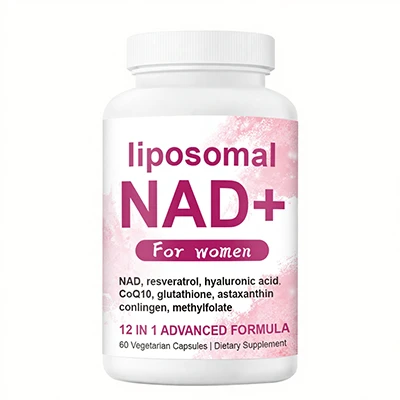
If you’re ready to figure out if iron is the missing piece for you, or you’re a Women’s Health supplier looking to stock high-quality, gentle iron supplements that work for your customers, get in touch. We’re here to help you find the right fit for your brand, so you can help your own women customers feel their best.
Weight Loss References:
- Centers for Disease Control and Prevention. (2023). Iron Deficiency and Anemia. Retrieved from official CDC health resources
- World Health Organization. (2022). Global Prevalence of Anaemia in Women of Reproductive Age.
- American College of Obstetricians and Gynecologists. (2021). Nutrition During Pregnancy and Postpartum.
- Mayo Clinic. (2023). Iron Deficiency Anemia: Symptoms and Treatment.
- Journal of the Academy of Nutrition and Dietetics. (2022). Iron Absorption from Plant-Based Diets: Strategies for Optimization.
Hanzhong Zhengtong International Foreign Trade Co., Ltd.
As one of the most professional women’s health suppliers in China, we’re featured by quality products and low price. Please feel free to buy bulk discount women’s health in stock here and get quotation from our factory. We also accept customized orders.
Address: No.100, Hanshui lmpression, Wangjiang Road, Hanzhong District, Hanzhong City, Shaanxi Province.
E-mail: zhengtong5120@163.com
WebSite: https://www.hzzt-health.com/
