If you’re running or working in a plant that uses rotary kilns, you already know how crucial the pre-heater is. It’s not just a add-on—it’s the first step in the process that can make or break your fuel costs, output, and even equipment lifespan. As a rotary kiln supplier, I’ve talked to dozens of operators who struggle with their pre-heaters acting like a bottleneck, slowing down production and wasting money. So today, let’s get real about how to optimize that pre-heater performance without the overcomplicated jargon. No stuffy manuals here—just the stuff we actually see working on kilns in the field. Rotary Kiln
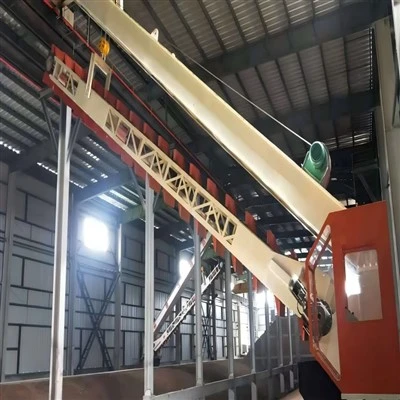
First, let’s cut to the chase: what does a pre-heater do, exactly, for anyone who’s new? It’s the section at the feed end of your rotary kiln where raw material (like cement slurry, ore, or lime) gets heated up using waste heat from the kiln’s exhaust gases. Instead of cranking extra fuel to heat cold raw material from room temperature, you reuse that hot exhaust—smart, right? But if it’s not tuned right, you’re basically throwing that free heat away, and your kiln has to work harder to hit its target temp. That hits your bottom line fast.
Let’s start with the basics that people often skip: sealing the pre-heater properly. I can’t tell you how many times I’ve visited a site and found gaps around the pre-heater’s inlet or the connections to the kiln hood. Those gaps let cold air sneak in and hot exhaust leak out. Cold air dilutes your exhaust gases, so they can’t transfer heat to the raw material as effectively, and leaking hot air means you’re losing energy before it even does its job. The fix? Don’t just slap on a standard gasket. We use flexible graphite seals on our pre-heaters that expand with heat, but even if you’ve got an older model, check the seals every 3 months. Also, make sure the access doors (for inspection) are closed tight when they’re not being used—so many operators leave them cracked “just in case” and wonder why their heat recovery is garbage.
Next, raw material distribution. This is a small thing that makes a huge difference. If the raw material is clumped up when it enters the pre-heater, it can’t spread evenly across the hot gas stream. Parts of the clumps get heated too fast on the outside, leaving the inside cold, and you’re wasting heat on the areas that don’t need it. On the flip side, if too much fine dust is flying through, it can block the passages in the pre-heater and reduce gas flow. We recommend screening your raw material before it goes into the pre-heater—most plants already have a screen, but make sure it’s not clogged. Also, adjust the feed rate so it matches the gas flow. If you’re feeding way more material than the exhaust can handle, the pre-heater can’t keep up, and you end up with cold material going into the kiln. That means the kiln has to burn more fuel later to make up for it.
Then there’s gas flow optimization. The pre-heater’s job is to move hot gas from the kiln past the raw material, so if the gas flow is off, nothing else works. A lot of older pre-heaters get built up with dust and material buildup inside over time—call it “rust” but for kilns. That buildup narrows the gas passages, so the fan has to work harder, and the gas can’t reach all the raw material. We do a yearly “boots-on-the-ground” check where we send our techs in to clear that buildup, not just sweep the outside. Also, adjust the fan’s speed based on your production rate. If you’re running at half capacity, cranking the fan to full is a waste of energy. Modern pre-heaters (like the ones we supply) have variable speed drives for the fan, so you can tweak it on the fly. Even if you have an older unit, ask your supplier if you can add a variable drive—it pays for itself in fuel savings in 6 months, easy.
Now, heat transfer surfaces. This is the heart of the pre-heater. The surfaces (called baffles or lifters) are what actually touch the raw material and the gas to move heat around. If those surfaces are worn down or covered in a layer of hard material buildup, they can’t transfer heat efficiently. A common mistake here is trying to clean buildup with high-pressure water—too much of that can damage the metal. Instead, use mechanical cleaners for regular maintenance, and schedule a mid-cycle check to resurface or replace the baffles if they’re worn. We use heavy-duty, heat-resistant baffles on our pre-heaters that last 2x longer than standard ones, but even with that, they need a look every 12 months. Also, make sure the baffles are angled correctly—if they’re tilted wrong, they won’t lift the raw material enough to mix with the gas. We see this all the time with retrofitted pre-heaters; a 10-degree angle tweak can boost heat transfer by 15% right there.
Fuel correlation is another big one. Your pre-heater and kiln are a team, not separate machines. If you’re cranking up the fuel in the kiln, the pre-heater’s exhaust gets hotter, but if you don’t adjust the raw material feed or gas flow, you’re just wasting that extra heat. For example, if you run a test and find your pre-heater is bringing raw material from 25°C to 600°C before it goes into the kiln, that’s perfect. If it’s only getting to 450°C, you’re leaving heat on the table. Work with your operators to track pre-heater outlet temp, kiln inlet temp, and fuel use—every week, tweak one variable at a time (like feed rate or fan speed) to see what improves those numbers. We help our customers set up simple spreadsheets for this, no fancy software needed. It’s just about having data to make small changes, not big overhauls.
Wait, let’s talk about something that’s often overlooked: waste heat recovery from the pre-heater itself. A lot of pre-heaters dump the exhaust after it passes through, but that exhaust is still hot enough (around 300-400°C) to do other jobs. For example, you can route that exhaust to dry incoming raw material before it hits the pre-heater, or even pre-heat combustion air for the kiln. We’ve done this with a few of our customers, and one of them cut their fuel use by 12% just by adding a simple heat exchanger to the pre-heater’s exhaust. It’s not a huge upfront cost, and the ROI is fast. Just make sure the heat exchanger is sized correctly for your kiln—don’t overbuy something that won’t fit your existing setup.
Now, common mistakes I see customers make when trying to optimize. First, rushing into big upgrades instead of small tweaks. Like, don’t buy a brand new pre-heater before checking seals, feed rate, and gas flow—9 times out of 10, fixing those things will give you 80% of the benefit for 10% of the cost. Second, skipping maintenance. A pre-heater that’s cleaned and checked every 6 months will perform way better than one that’s left for 2 years. We have a standard maintenance checklist for pre-heaters that’s only 2 hours a month—operators think it’s too much, but they end up losing way more money when the pre-heater is down for 3 days because of a preventable buildup. Third, not training operators. A kiln operator who knows how to adjust the pre-heater’s settings can make a way bigger difference than a supplier’s fancy part. We offer basic training for all our customers’ teams, because we’ve seen how that small bit of knowledge changes everything.
Let me throw in a real example from a customer of mine last year. They had a 5-year-old kiln with a pre-heater that was running at 70% efficiency, and they were complaining about high fuel costs. First, we had their team check the seals—they found gaps that were letting 15% of hot air leak out. Then, we cleared the buildup in the gas passages, which was restricting flow by 10%. We adjusted the fan speed to match their feed rate, and resurfaced the baffles. After 2 weeks, their fuel use dropped by 18%, and their output went up by 12% because the kiln wasn’t working as hard to heat cold material. No big parts, no new machine—just fixing the basics. That’s the stuff that works.
What about if you’re dealing with an older pre-heater that’s past its prime? Retrofitting is way better than replacing it, and it’s cheaper. We offer retrofits for older pre-heaters—upgrading the baffles, adding variable speed fans, and sealing gaps. Most of these retrofits pay for themselves in 12-18 months, which is way better than dropping $100k+ on a new unit. Plus, if you’re already happy with your kiln, retrofitting the pre-heater is the easiest way to boost overall performance.
One last thing: monitoring in real time. We supply pre-heaters with basic sensor kits that track temp, gas flow, and pressure. You don’t need a super complex industrial IoT setup (though some customers do go that route) — just having a gauge that tells you the pre-heater’s outlet temp lets you catch problems before they get big. For example, if the temp drops 50°C suddenly, you know there’s a gap or a buildup, so you can stop production briefly to fix it, instead of having a full shutdown a week later.
At the end of the day, optimizing your pre-heater isn’t about buying the shiniest part or the newest tech. It’s about being consistent with small checks, making smart adjustments, and treating the pre-heater and kiln as one system, not two separate pieces of equipment. As a rotary kiln supplier, I’ve seen too many operators throw money at big upgrades when the solution was right in front of them—tighten a seal, clear a passage, adjust the feed. It’s simple, but it works.
If you’re tired of your pre-heater holding back your kiln’s performance, if you’re seeing high fuel bills or inconsistent output, we can help. Whether you have a brand-new pre-heater that needs fine-tuning or an older unit that’s overdue for an overhaul, we’ll work with you to figure out the best steps—no sales pitches, just real solutions that fit your operation. Reach out to us to discuss your specific needs, and we’ll walk through what changes will make the biggest difference for your setup.
Electric Industrial Kiln References
- Rotary Kiln Engineering Handbook, 3rd Edition, International Journal of Cement Production, 2021
- Heat Transfer Optimization in Industrial Pre-Heaters, Journal of Thermal Processing, 2020
- Maintenance Best Practices for Rotary Kiln Auxiliary Equipment, Global Kiln Operations Association, 2022
- Energy Efficiency in Mineral Processing Rotary Kilns, Industrial Energy Conservation Journal, 2019
Henan Yaxin Kiln Co., Ltd.
Henan Yaxin Kiln Co., Ltd. is one of the most professional rotary kiln manufacturers and suppliers in China. With abundant experience, we warmly welcome you to buy high quality rotary kiln with the latest design from our factory. Good service and punctual delivery are available.
Address: Jixian Industrial Zone, Shangqiu City, Henan Province
E-mail: 1543563178@qq.com
WebSite: https://www.hnyxkiln.com/
