Hey guys, let’s cut to the chase if you’re in the market for stone cutting machines—one question that always comes up, and for good reason, is: What’s the noise level when these things are running? As a stone cutting machine supplier who’s been in this game for like 8 years, I get it—no one wants to deal with a machine that’s so loud it messes up your team’s hearing, or gets your shop in hot water with local noise regulations. Let’s break this down like we would over a coffee in the warehouse. Stone Cutting Machine
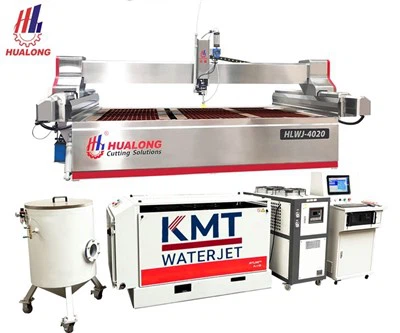
First off, let’s get real: There’s no one-size-fits-all number here. A lot of people see stone cutting machines and just think “loud tool,” but the actual noise level depends on way more stuff—like what kind of stone you’re cutting, the blade size, the machine’s power, even how good your maintenance is. Let’s start with the basics of how noise is measured, because that’s key to making this make sense. We use decibels (dB) right? But not just any dB—A-weighted decibels (dBA), which adjust for how loud things sound to the human ear. That matters because 10 dBA is a 10x increase in perceived loudness, and OSHA says that any work environment over 85 dBA needs hearing protection, full stop. So if someone tells you their machine is exactly X dBA, ask them what’s being used to measure it—close to the machine, 1 meter away from the operator, that’s the standard spot, right?
Now, let’s talk about the different types of stone cutting machines we supply, since that’s the biggest variable. First up, the wet saws—those are the ones most small to mid-sized operations use for countertops, tiles, that kind of work. Our standard electric wet saws, the ones for residential and light commercial stone cutting, run around 90 to 100 dBA when they’re humming along cutting granite. Wait, that’s right around the threshold where OSHA requires hearing protection, so we always make sure our customers know that. But if you’re cutting super dense stone like bluestone, or you’re running the saw without enough water (which is a no-no, but we’ve seen it happen), that number jumps a bit—up to like 102 dBA max. The wet part is super important here because it cools the blade and reduces friction, which cuts noise. If someone’s running a dry cut saw instead? That’s way louder. Our dry cut diamond saws for heavy-duty work, like quarry trimming or thick stone slabs, hit 105 to 115 dBA. That’s the kind of level where if you stand next to it for more than 15 minutes without ear plugs, your ears will ring for hours—total nightmare for productivity and worker health.
Then there are the big boys: bridge saws and CNC stone cutting machines. These are for commercial projects, big slabs, custom work, the machines most countertop shops use when they’re cranking out multiple jobs. Our manual bridge saws, the ones operators move by hand to cut large slabs, sit at around 95 to 105 dBA. The automated CNC bridge saws? We’ve measured those at about 88 to 98 dBA. Why the difference? Because the CNC has enclosed components, less vibration, quieter motors, and it’s moving the blade instead of the operator working manually, so there’s less rattle from loose parts or the slab shifting. Pro tip: If you’re a shop with a few operators running CNCs all day, the lower noise level here means less fatigue, less risk of long-term hearing damage, and actually better focus on the cuts. That’s not just a sales pitch—we’ve had clients tell us they noticed a drop in worker complaints after switching from old manual saws to our CNC models, specifically because the noise was lower.
Wait, let’s not forget about variables that aren’t the machine itself. The blade condition is huge. A dull blade is way louder than a sharp one because it’s grinding instead of cutting, creating extra friction and vibration. We always tell customers to replace blades when they start to drag or make a scratchy noise—doing that can cut noise by 5 to 10 dBA, which makes a big difference. Then there’s the slab itself: Soft stone like marble is quieter than super hard granite or quartzite. We tested that last month—cutting a 2-inch marble slab with a wet mid-sized saw was 92 dBA, same machine cutting a 2-inch quartzite slab was 98 dBA. Duh, harder material = more force needed = more noise. Also, the machine setup: If your saw isn’t bolted down properly, if the work table is loose, if there’s debris bouncing around under the blade, that adds extra rattle and noise. We do a full pre-delivery tune-up for all our machines, and part of that is tightening every component so you get the lowest possible noise right out of the box.
Now, what about regulations? Most places, especially in the US and EU, have rules about workplace noise. OSHA’s 8-hour time-weighted average is 85 dBA—so if your machine is at 90 dBA, your team can only be exposed for 8 hours total before needing extra protection. At 100 dBA, that drops to just 2 hours. If you’re at 110 dBA, it’s 15 minutes max. That’s not to scare you, but it’s why so many of our customers prioritize lower noise levels when upgrading machines. We had a client in Ohio a year ago who was getting fined $500 a week by OSHA for their old saws being too loud. They switched to our wet bridge saws, which clocked in at 97 dBA, and they were able to bring their exposure time within limits without adding a bunch of bulky hearing protection for everyone. That’s the kind of win we care about—not just selling a machine, but helping you run your shop without headaches.
Wait, common myths here: Some people think all stone cutting machines are super loud, like jackhammer loud. No, that’s the old-school stuff from 20 years ago. New machines have come a long way with noise reduction tech—enclosed motors, vibration-dampening mounts, better blade design, even sound-dampening covers on some models. Our top-of-the-line CNC bridge saws, for example, have a partial noise enclosure that knocks 10 dBA off the running noise, so they’re right around 90 dBA—about as loud as a vacuum cleaner. That’s a game changer for shops that have open floor plans, or where operators need to talk to each other while working.
Another thing: If you’re working in a space that’s not super soundproof, the noise will bounce off walls and floors. So even if your machine is 95 dBA, in a small concrete garage, that might feel like 105 dBA. We always advise customers who are setting up a new shop to add some sound-absorbing panels if noise is a big concern—simple, cheap fix that makes a huge difference.
Now, what about our process for measuring noise? We don’t just guess. Every machine we ship gets tested at our warehouse before delivery, per ISO 11201 standards, which is the international standard for measuring noise from machinery at the operator’s position. We log that number, give it to the customer, and also include recommendations for accessories that can bring noise down even more—like blade lubricants that reduce friction, rubber matting under the machine to cut vibration, and replacement blades tailored for the stone they work with.
Wait, let’s get real about what this means for you. If you’re a small tile contractor doing residential jobs, a 95 dBA wet saw is totally fine—you can pair it with disposable ear plugs, and since you’re not running it 8 hours a day, it’s not a big deal. If you’re a medium countertop shop running 40-hour weeks, you want a machine under 100 dBA, because that keeps your team happy, compliant, and productive. If you’re a big operation with multiple shifts, maybe look at our quieter CNC models, because the long-term hearing health of your employees matters more than anything, and lower noise means less turnover too.
I’ve heard so many horror stories from customers who bought cheap, no-name stone cutting machines online just to save a few bucks, only to realize they’re 115 dBA—loud enough that operators leave after a month because their ears are ringing nonstop, or they get fined by OSHA. That’s the last thing you want. At the end of the day, a machine’s noise level isn’t just a random number—it affects your team, your wallet, your compliance, and your bottom line.
If you’re trying to narrow down which stone cutting machine is right for you, or you have specific questions about noise levels for the stone you work with, hit us up. We don’t do generic sales pitches—we’ll walk through your workflow, the type of stone you cut, how many hours a day you run the machine, and give you a clear, honest number on the noise you can expect, plus tips to keep it as low as possible. No fine print, no hidden fees, just straight answers. Let’s make sure you get a machine that works for you, not against you.
Wait, before I wrap this up, let me recap the key numbers to make this easy: Light-duty wet saws (tiles, small countertops): 90-100 dBA. Manual bridge saws: 95-105 dBA. CNC automated bridge saws: 88-98 dBA. Dry cut heavy-duty saws (quarry work): 105-115 dBA. And remember, those numbers are with proper maintenance, enough water, and good setup. Skip the cheap blade or run it without water, and you’ll add 5-10 dBA easy.

At the end of the day, noise level is just one factor when choosing a stone cutting machine, but it’s a super important one that a lot of people overlook until it’s a problem. We’ve spent years refining our machines to keep noise down without cutting corners on power or precision, because we know that happy, healthy operators are productive operators. So if you’re ready to chat through your needs, get a real noise level number for the machines that fit your shop, or even demo a machine if you’re local, reach out. We’re here to help, no pressure, just straight talk about what works for your business.
References
3d Stone Engraving Machine OSHA Noise and Hearing Conservation Standards, Occupational Safety and Health Administration, U.S. Department of Labor.
ISO 11201:2010, Acoustics – Noise emitted by machinery and equipment – Measurement of emission sound pressure levels at a work station and at other specified positions – Engineering method in an essentially free field over a reflecting plane.
Natural Stone Institute, Worksite Noise Management for Stone Fabricators, 2022 Industry Safety Report.
Fujian Province Hualong Machinery Co., Ltd.
Fujian Province Hualong Machinery Co., Ltd. is one of the most professional stone cutting machine manufacturers and suppliers in China, featured by quality products and good price. Please rest assured to buy high-grade stone cutting machine for sale here from our factory.
Address: Huangshi Industrial Zone, Putian City, Fujian Province, China
E-mail: jenkin@hualongm.com
WebSite: https://www.stonecuttingmachine.com/
