Hey there, I’m Jake, and if you’ve ever sourced denim before, odds are you’ve run into my team—we’re the go-to 2/1 twill weave supplier for a ton of brands, big and small. But let’s be real, I get asked all the time: “Jake, is denim always that 2/1 twill stuff you sell nonstop?” The short answer? No. Wait, hold up—don’t zone out if you’re not a textile nerd. Let’s break this down like we’re grabbing a coffee after a run to the warehouse, no jargon overload. 2 1 Twill Weave
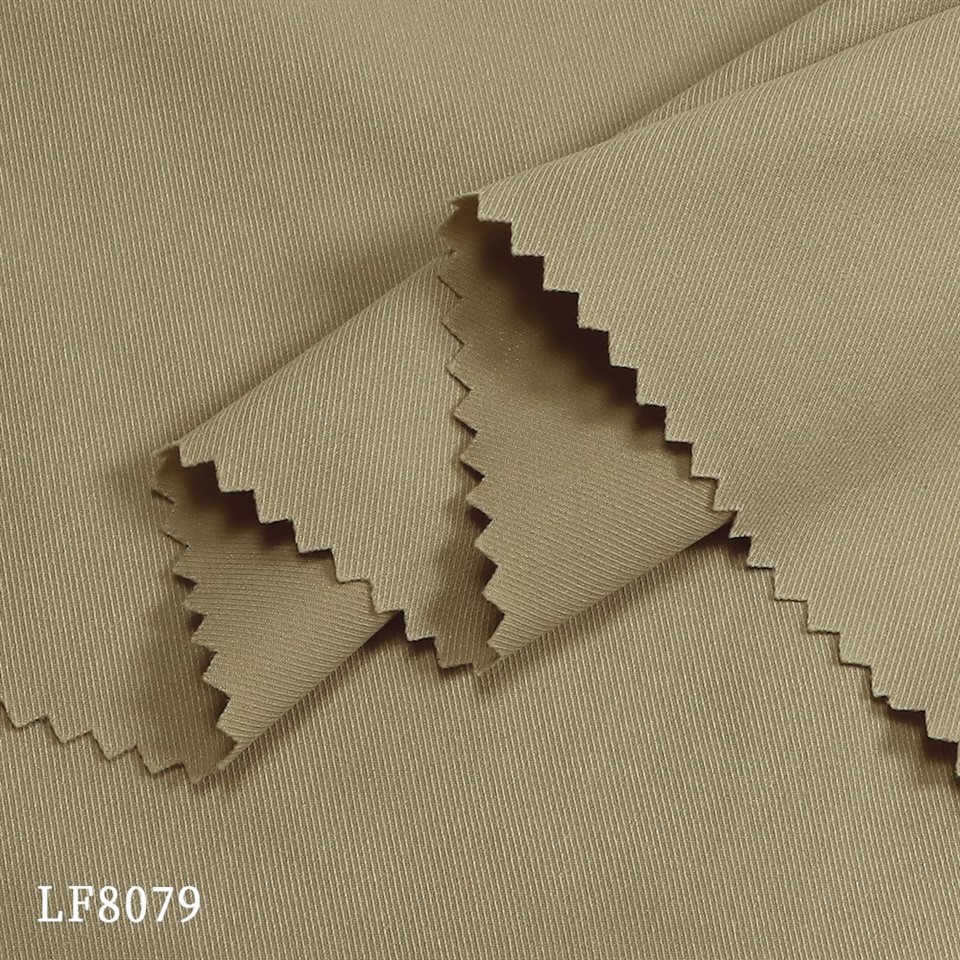
First off, let’s talk about what makes denim, well, denim. I think a lot of folks see that deep blue fabric, think “denim” and immediately peg it as 2/1 twill, but that’s just the most common version. Let’s start with twill weaves in general—twill is when the yarns interlace in that diagonal pattern, right? It’s got that classic “rib” look you can feel if you run your finger across a pair of jeans. The numbering system? That’s how you count how many warp yarns go over, then under, the weft. So 2/1 twill means 2 warp yarns go over 1 weft, then under 1 weft. That’s the stuff we crank out 24/7 at our facility, and it’s the reason your favorite old jeans fade in that perfect diagonal way.
But here’s the thing—denim’s a whole category of fabric, not just a single weave. I’ve seen people get heated over this at trade shows, like I was lying about what denim even is. Nah, man, denim’s just a sturdy, twill-woven cotton fabric, originally made for workwear back in 19th century France (seriously, “de Nîmes” is where it got its name—cool, right?). That original de Nîmes fabric was actually a 2/1 twill, so that’s where the stereotype started. But as demand grew, especially in the US when Levi’s started making those work jeans, makers started messing with the weave to change the feel and look.
Let’s go through the other common denim weaves, yeah? First, there’s 3/1 twill. That’s 3 warp over 1 weft. This one’s denser, heavier, more structured—you see it in those premium raw denim jackets that take forever to break in. Way less stretch than our standard 2/1, but it holds its shape so good. Then there’s 1/1 plain weave? Wait, hold on—yes, plain weave denim exists. It’s lighter, more breathable, often used for summer jeans or chambray (a lot of people mix those two up, but chambray’s usually a plain weave with lighter yarns). I’ve even had a customer ask for 3/1 denim for a line of heavy-duty work pants—they said 2/1 was too soft for construction sites.
Then there’s that one I love: the 2/2 twill, also called herringbone denim. That’s two warp over two weft, so the diagonal pattern’s smaller, more subtle. It’s got a smoother feel, and the fade is more even than 2/1 because the interlacing is tighter. We actually tested a small batch of this last year, and a local skate brand snatched it up because it’s durable but doesn’t get all bulky when they kneel on their boards.
Wait, but why does the weave matter so much for folks sourcing denim? Let’s be practical. If you’re a small brand making high-waisted skinny jeans that need to hug the leg, you might go with 2/1 twill—it’s flexible, has that classic stretch if you add elastane, and fades super nicely. If you’re making a rugged coat that needs to last 10 years, 3/1 is the way to go. Plain weave is only for lightweight, casual stuff, and herringbone is for when you want that unique, less “generic” denim look.
Now, I know what some of you are thinking—“But Jake, I thought denim was always dyed with indigo warp and white weft?” That’s the 2/1 twill thing too! Because with 2 over 1, the warp yarn (which is dyed indigo) shows up more on the surface, and the weft (white) peeks through the back. That’s why old jeans fade blue on top and white on the inside when you wash them. If you used a 3/1 twill, the warp is even more dominant, so the back of the fabric would be way less white, and a 2/2 twill would have a more balanced look. We’ve even done custom indigo dye jobs for 3/1 orders, like a lighter indigo for a summer line, and the fade was totally different than our standard 2/1 stuff.
Let me share a quick story to make this real. A few months back, a guy from a vintage-inspired brand hit me up, panicking. He’d been sourcing what he thought was “authentic denim” from a different supplier, but every batch was coming out too stiff. Turns out, that supplier was using a heavy 3/1 twill when he ordered “standard denim.” He didn’t even know there were other weaves! We swapped him a small run of our 2/1, told him to wash it once first, and he came back a week later saying it was exactly what he needed—soft enough for everyday wear, true to that classic denim look. That’s when I realized how many people just assume denim is only 2/1 twill, no exceptions.
Now, don’t get me wrong—we sell a ton of 2/1 twill, and we’re good at it. It’s the workhorse of denim, for a reason. It’s versatile, it’s affordable, it fades in that iconic way everyone associates with jeans. But saying denim is always 2/1 twill is like saying all cars are sedans—yeah, that’s the most common, but there are trucks, convertibles, SUVs, all part of the same big category.
Here’s the thing about our business: we don’t just send someone whatever’s in stock. When a new customer reaches out, we ask a ton of questions. What’s the end product? Jeans? Jackets? Workwear? What price point? How do they want it to fade? That’s how we match them to the right weave. If they’re a new brand on a budget, 2/1 is perfect. If they’re a premium brand making raw denim, we point them to our 3/1 or even 2/2 options. We even do blends with a little elastane in the 2/1 for stretch jeans—super popular right now.
Wait, let’s address a common myth I hear: “If it’s not 2/1 twill, it’s not real denim.” That’s garbage. Denim’s defined by its twill weave structure and cotton fabric, not the specific 2/1 count. The original 1800s denim was 2/1, but that’s over 150 years ago. Fashion and functionality evolve, and denim’s had to keep up. Think about how many different denim styles there are now—wide-leg, slim, cargo, cropped. Each needs a different weave to perform the way it’s supposed to.
I’ll leave you with this last thought: next time you’re at a store, feel a pair of jeans. Run your finger along the diagonal. If it’s that gentle, not-too-sharp diagonal, it’s probably 2/1 twill. If it’s more pronounced, heavy, it might be 3/1. If it’s a smaller, tighter diagonal, that’s herringbone. But none of these are “not real denim”—they’re all denim, just different versions.

If you’re a brand owner, designer, or anyone who works with denim and you’re tired of guessing which weave is right for your project, hit us up. We’re the 2/1 twill specialists, but we know all the other denim weaves too, and we’re here to help you pick what works best, not just what we have in stock. Let’s chat, no obligation, and figure out your next denim line together.
Polyester Stretch Fabric References:
- Textile World, “The History and Weave Structures of Denim Fabrics”
- Cotton Incorporated, “Denim: A Comprehensive Guide to Weave Variations and Applications”
- International Textile Manufacturers Federation, “Twill Weave Classification and End-Use Performance”
- Levi Strauss & Co. Archives, “Early Workwear Fabrics and Denim Development”
Shaoxing Huichao Textile Co., Ltd.
As one of the most professional 2 1 twill weave manufacturers and suppliers in China, we offer a wide range of products with superior quality. We warmly welcome you to wholesale bulk 2 1 twill weave in stock here from our factory. If you have any enquiry about cooperation, please feel free to email us.
Address: Shenyue International Build ing, Unit 1603-1605, Keqiao District, Shaoxing City, Zhejiang Province, China
E-mail: darrenzhong@huichaotextile.com
WebSite: https://www.huichaotextile.com/
