Hey everyone, Sarah here from the 125mm angle grinder supply team—so you can call me Sarah, no need for titles. Over the years, I’ve talked to hundreds of tradespeople, DIYers, and even some other tool suppliers, and one question comes up again and again: “How do I check if my 125mm angle grinder’s insulation is still solid?” Let’s be real—this little guy’s your workhorse. It’s cutting metal tiles, grinding rust off fence posts, and even shaving down concrete edges on weekends. But if the insulation’s shot, that handy tool can turn into a shock hazard before you know it. As a supplier, we don’t just sell grinders and forget—we’re the ones who answer your late-night panic texts when your tool gives a weird buzz, so let’s break this down like we’re chatting over coffee, no jargon, no confusing steps. 125mm Angle Grinder
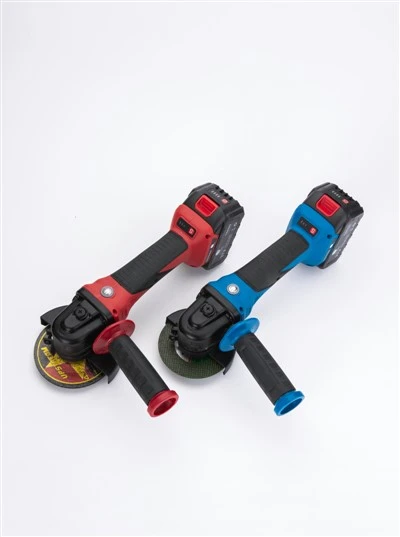
First, let’s get one thing straight: we’re not talking about the fancy lab testing we do in our warehouse for new stock. That’s for certifying the grinders before they leave our facility—we run full insulation resistance tests to make sure every single 125mm model meets safety standards. But what you need, whether you’re a contractor using your grinder 10 hours a day or a DIYer using it for a bathroom reno, is a practical, at-work-or-at-home check that doesn’t require a PhD. We’ve had our warehouse crew test this a million times, so trust me, this works.
Before you even grab your tools, pause for 2 minutes and do a quick visual check. This is non-negotiable, right? Because if you skip this, you could be wasting time on a test that’ll fail anyway. Let’s walk through it: grab your 125mm angle grinder, turn it upside down, flick the power switch to OFF, and unplug it from the wall. No exceptions—if it’s plugged in, even with the switch off, you’re playing with electricity. Look at the power cord first. Are there any frays? Cracks in the rubber? Any spots where the inner wire is peeking through? That’s a red flag. Next, check the handle—both the main front handle and the side handle—for cracks. Even a tiny crack in a plastic handle can let moisture in, which kills insulation over time. Then, check the body of the grinder around the on/off switch, the vent slots, and where the cord connects to the tool itself. Any scuffs deep enough to expose plastic that’s worn thin? If you spot any of these, your grinder’s already at risk, so don’t skip the insulation test.
Now, the main event: testing insulation resistance. First, you need the right tool. I know, I know—another thing to buy? But here’s the good news: you don’t need a huge, expensive tester. A basic continuity tester or an insulation resistance multimeter (often called a “megger” by trades folks) that’s rated for low-voltage tools (like 500V) is perfect. Most of these run between $50 and $100, and if you buy one, you can use it for all your power tools—not just your 125mm angle grinder. If you don’t have one yet, you can borrow a colleague’s or even rent one from your local hardware store—no need to drop cash if you only need to test once.
Let’s get to the step-by-step. This is the part most guides make confusing, so I’ll keep it simple. First, make sure your grinder is still unplugged, switch off. Now, here’s a key point: insulation testing for power tools has two parts—basic insulation (between the live wire and the grinder’s metal body) and earth continuity (wait, no, let’s stick to insulation first). For a basic check, set your multimeter to the “insulation resistance” setting. The voltage should be set to 500V—this is standard for small power tools like 125mm angle grinders. That’s not too high to damage your tool, but high enough to get an accurate reading.
Next, connect the two probes. The first probe goes to the metal body of the grinder. Not a plastic part—find a bolt under the handle or a metal vent frame where there’s no paint (paint is an insulator, so scrape a tiny spot if you have to; just a little chip won’t hurt the tool). The second probe goes to the metal prong of the power plug that’s not the earth pin—wait, no, let’s correct that: for double-insulated tools (which almost all modern 125mm angle grinders are, since that’s what we supply), you don’t need to test earth. Double insulation means there’s two layers of insulation between the live parts and the user. So for double-insulated grinders, you connect one probe to the metal body, and the other to both the live and neutral prongs of the plug (twist them together with a tiny piece of wire if that’s easier).
Now, hold on tight—make sure your hands are dry, no metal tools touching the probes, and the grinder is sitting on a non-conductive surface (like a wooden workbench or a rubber mat). If you test it on concrete or a metal table, you’ll get a false reading because those conduct electricity. Turn on the tester and read the display. What’s a good number? For a 125mm angle grinder that’s working properly, the insulation resistance should be at least 1 megohm (that’s written as 1 MΩ). If it’s below that, or if the meter jumps around like it’s confused, that means your insulation is breaking down. Wait, what if you don’t have a megger and only have a basic multimeter? No problem—set it to the continuity setting. If it beeps when you touch the probes to the metal body and the plug, that means there’s a direct connection, and your insulation is dead—bin that grinder or get it repaired ASAP. If it doesn’t beep, that means the insulation is still intact for a basic check.
I should mention that our warehouse team does this test on every single unit before it ships. We run it twice: once pre-shipment to the customer, and then when we get it back if they return it. We’ve seen a lot of common issues. For example, if you drop your 125mm angle grinder, that can crack the insulation layer inside, even if you can’t see it. Or if you leave it out in the rain or a dusty worksite where dust gets into the cord, that dust can hold moisture over time and lower the insulation. We had a customer last month who ran his grinder through a puddle on a construction site and didn’t check it—he used it that night and got a pretty bad shock. That’s why we always remind people to do this test after any harsh use, especially if it’s gotten wet, dropped, or had the cord yanked hard.
Also, let’s talk about when you should test this. If you’re using your grinder daily, we recommend doing this once a month. If you only use it once a month (like for home projects), test it before you use it each time. It’s a 5-minute job, max, and it can save you from a hospital trip or a damaged tool. As a supplier, we’re not just selling you a tool to use once and forget—we care that you stay safe. That’s why we put a little instruction card inside every 125mm angle grinder box with this exact test, but I know most people toss those cards, so we put a video on our website too—if you type “125mm angle grinder insulation test” into Google, our video pops up first. No shame in looking it up, even if you’ve done it before—sometimes seeing it in action helps.
Wait, let’s clear up some common mistakes I see. First, a lot of people test the grinder while it’s plugged in. NEVER do that. That’s how people get shocked. Always unplug it before doing any electrical test. Second, don’t test the cord while it’s still attached to the grinder. Once you’re done with the grinder, you can test the cord separately, but the main test is between the grinder’s body and the plug. Third, don’t ignore small warnings. If your grinder is giving a tingle when you touch the handle, or the cord feels warm when you use it, that’s a sign the insulation is going—don’t wait until it shocks you to check.
Another thing: if your insulation resistance is low, what do you do? Don’t just keep using it. If it’s a minor issue, like a frayed cord, you can replace the cord yourself if you’re handy, or send it back to us and we’ll fix it (we offer repair services for all the grinders we supply—just reach out to our support team). If it’s internal damage, like insulation breaking down inside the grinder body, it’s usually not worth repairing—better to pick up a new 125mm angle grinder from us, since our current models have reinforced insulation that’s way more durable for heavy worksite use.
I know, I know—electrical stuff sounds scary, but it’s really not when you break it down. This test is easy, fast, and could save your life. As someone who’s been in this supplier game for 8 years, I’ve seen way too many people skip this step and end up with injuries, and it’s totally preventable. We built our business on trust, so when you buy a 125mm angle grinder from us, we’re not just sending you a tool—we’re giving you the info to keep using it safely.

If you’re still not sure how to do the test, or you want to ask about our repair services or new grinder models, just reach out. We’re here to help, no question is too small. Don’t risk using a tool that could hurt you—take 5 minutes to check your insulation today.
125mm Angle Grinder References:
- Occupational Safety and Health Administration (OSHA). 2023. Electrical Safety in the Workplace. U.S. Department of Labor.
- International Electrotechnical Commission (IEC). 2021. Standard for Hand-Held Motor Operated Tools. IEC 60745-1.
- Underwriters Laboratories (UL). 2022. Safety Standard for Power Tools. UL 1017.
Zhejiang Cheering Sewing Machine Co., Ltd.
With abundant experience, we are one of the most professional 125mm angle grinder manufacturers and suppliers in China. Please feel free to wholesale advanced 125mm angle grinder for sale here from our factory. We also accept customized orders.
Address: No.69 Heping Road, Lishui, Zhejiang, China
E-mail: gxjlq@126.com
WebSite: https://www.cheering-machinery.com/
