Hey everyone, it’s Jake from the Hydraulic Jacks supply team here – thanks for popping into my little corner of the internet. I get asked this question at least 10 times a day, usually from folks just starting out with lifting gear: “Are hydraulic jacks safe to use?” And honestly? I don’t blame you. If you’ve ever seen a video of a jack failing – or even heard a horror story from a buddy who works in a garage – it’s totally normal to have that little voice in your head asking, “Is this going to hold?” Hydraulic Jacks

Here’s the thing I tell every customer who calls me: hydraulic jacks aren’t inherently dangerous. But like any tool that moves heavy stuff, they’re only as safe as the person using them, the jack they’re using, and how well they maintain it. I’ve been supplying these things for 8 years now, and I’ve seen every mistake in the book – from someone cranking a car jack way past its limit to leaving the release valve half open mid-lift. Today, I want to break this down real, no-BS style, no overly technical jargon that makes your eyes glaze over.
First, let’s quick break down how a basic hydraulic jack works, because understanding that makes the safety stuff make sense. You pump a handle, which pushes oil into a sealed cylinder. That oil can’t compress, so all that pressure goes to pushing a piston up – which lifts whatever you’ve got on the saddle. It’s way simpler than a lever or a pulley, which is why they can lift so much weight with so little effort. But that same simple design also means there aren’t a million moving parts to go wrong… if you set it up right.
Now, let’s talk about the common ways people mess up, because that’s where most “hydraulic jack fails” actually happen. I see this all the time from new DIYers: grabbing a jack from the gas station or a random flea market that’s not even labeled for the load they need. A standard 2-ton car jack? That’s for small sedans and compact SUVs. If you try to lift a full-size pickup truck with it? Yeah, that’s gonna go wrong. The jack’s rated pressure can’t handle the extra weight, the cylinder will buckle, and suddenly you’ve got a 5,000-pound truck coming down fast. I always tell customers to check their vehicle’s manual first – it says exactly what jack rating you need, no guessing.
Another big one: not placing the jack right. I had a guy last month call me panicking because his jack tilted while he was changing his oil, and the jack stand slipped. He’d set the saddle on the plastic side skirt of his minivan instead of the reinforced frame rail. Duh. The plastic’s not built for heavy weight, so it cracked, and the jack slid. That’s such a preventable mistake. Always find the jack points – the little metal notches under the car’s frame, usually marked by a triangle or a square in the owner’s manual. That’s where the jack goes. If you skip that, you’re just asking for trouble.
Then there’s maintenance, which is like the unsung hero of hydraulic jack safety. A lot of people buy a jack, stick it in the back of their truck, and forget about it until they need it. Over time, oil can leak out (even a tiny drip is bad – that changes the pressure), seals can get worn out from dirt or grime, or the release valve can get gunked up so it won’t lower smoothly. Last year, a customer brought in a 10-ton jack he’d had for 15 years that wouldn’t lift his farm equipment. Turns out there was a rock in the cylinder that had worn down the seal, so the pressure was leaking before it could build. A $20 seal kit would’ve fixed it, but he tried to force the handle and ended up bending it. I always tell everyone to do a quick pre-use check every time: look for leaks, make sure the handle moves smoothly, and test a small lift before putting full weight on it.
Wait, but what about the “professional” side? Because a lot of our clients are mechanics, construction workers, or farm operators who use these things every single day. I was talking to a master mechanic last week who’s been in the game for 22 years, and he told me he swears by hydraulic jacks because they’re way safer than old scissor jacks for daily use. But he also has a strict rule: never work under a vehicle that’s only on a jack. Always use jack stands. That’s non-negotiable for him. I see so many people think, “It’s holding, I’m fine,” but what if the jack’s seal fails, or someone bumps it by accident? Jack stands are cheap, they’re easy to use, and they double the safety factor. Our clients who work in auto shops go through dozens of jack stands a year, but they’d never skip that step.
Now, let’s talk about the actual engineering that goes into making a hydraulic jack safe, because it’s not all luck. The good ones (which is 99% of the ones we supply) are tested to way more than their rated load. Like, a 5-ton jack we sell is tested to 7 or 8 tons before it leaves our warehouse, just to make sure the cylinder, seals, and saddle can handle extra pressure without breaking. We also label every single one with a clear load rating, model number, and maintenance instructions – no tiny fine print hidden under a sticker. Cheap knockoff jacks? They skip that testing, which is why you see those viral videos of them collapsing instantly. That’s why I always push customers to buy from reputable suppliers, not the random guy on eBay selling jacks for half price. Those things are fire hazards waiting to happen.
Wait, but is there a time when even a good jack can be unsafe? Let’s say you’re lifting something uneven. If you put the jack under one corner of a trailer that’s tilted, the pressure won’t distribute evenly, and the jack can tip. Same with lifting a vehicle that’s on an incline – always park on flat ground, set the parking brake, and chock the wheels before you lift. I had a customer do that last winter: parked his truck on a slight hill, forgot to chock the rear wheels, and when he lifted the front, the rear rolled, the jack tilted, and he totaled his bumper. No injuries, thank God, but it was 100% preventable.
Another thing I get asked a lot: what about hydraulic fluid? Using the wrong fluid is a huge mistake. Some people use motor oil or even water in their jacks because they think “it’s just oil.” No. Hydraulic jacks need specific, non-compressible fluid that’s designed to handle the pressure in the cylinder. Motor oil breaks down over time, gets foamy, and that ruins the pressure. Water will rust the cylinder from the inside out. We always send a small bottle of the correct fluid with every jack we sell, and I remind customers to top it off or change it every 2 years, even if it looks fine.
Now, let’s get real about the statistics, because I don’t want to just ramble about safety without backing it up. According to the Industrial Accident and Safety Board, most hydraulic jack related injuries aren’t from the jack itself failing – they’re from user error: improper load rating, wrong placement, no jack stands, or poor maintenance. Less than 5% of incidents are from the jack being defective out of the box. That’s a big number that stuck with me. It’s not that the tool is bad – it’s how you use it.
I also want to address the myth that hydraulic jacks are only for big heavy stuff. No, they’re for everything from changing a tire on your sedan to lifting a dump truck. The key is matching the jack to the job. Our range goes from tiny 1-ton scissor jacks for cars up to 50-ton bottle jacks for construction, and every single one has a clear rating so you don’t overdo it.
Wait, let’s talk about something most people don’t think about: overloading. I had a guy call me a few months ago complaining that his jack stopped lifting, and when I asked how much he was trying to lift, he said he had two motorcycles on a ramp, total weight around 1,800 pounds, and was using a 1.5-ton (3,000-pound) jack. Wait, that should work, right? Turns out he was lifting the bikes at an angle, so the actual weight on the jack was more like 2,500 pounds – which is right at the limit, so the jack was slipping, not failing. He was pushing it so close to the limit that there was no room for error. I suggested he upgrade to a 3-ton jack, and now he uses it without any issues. That’s the kind of advice I give every time – build in a little extra safety margin, don’t push right to the line.
Now, let’s wrap this up so it’s not just a list of rules. Are hydraulic jacks safe to use? Yes – when you use them right. The key steps are: check the load rating and match it to your job, place the jack on the correct reinforced point, do a quick pre-use check for leaks or wear, use the right hydraulic fluid, always use jack stands when working under heavy loads, and never skip maintenance.
As your go-to hydraulic jack supplier, we don’t just sell you a jack and vanish. We send care sheets with every order, we’re on call 7 days a week to answer questions, and we even offer maintenance kits for older jacks that need a tune-up. I’ve heard way too many horror stories of people getting hurt because they cut corners on a cheap jack or a quick lift job. My job isn’t just to sell you equipment – it’s to make sure you get home safe after using it.
If you’re in the market for a new jack, or you just have questions about the one you already have, feel free to reach out to the team here. We can help you pick the right size for your vehicle, your farm equipment, or your construction job, and we’ll walk you through the basics of using it safely. No question is too small – I’d rather you ask 10 questions than have to hear about a mistake that could’ve been avoided.
At the end of the day, tools are meant to make life easier, not more dangerous. Hydraulic jacks are some of the most reliable tools out there when you treat them right. You lift heavy stuff without straining, you get jobs done faster, and as long as you follow a few simple rules, you won’t have any issues. That’s the bottom line. Oh, and one last thing: never leave a loaded jack unattended. I can’t tell you how many times someone’s gone inside for a soda while their truck is up on a jack, and when they come back, it’s sunk. Just common sense, but worth repeating.
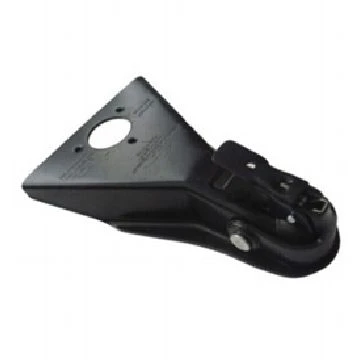
Gooseneck Couplers References:
Industrial Accident and Safety Board. (2022). Common Causes of Hydraulic Jack Related Incidents.
National Automotive Safety Foundation. (2021). Best Practices for Vehicle Lifting Equipment Use.
Hydraulic Equipment Manufacturers Association. (2023). Standard Safety Guidelines for Hydraulic Jack Operation and Maintenance.
Ningbo Guterui Auto Parts Co., Ltd.
As one of the most professional hydraulic jacks manufacturers in China, we have world-leading production equipment and strong manufacturing capabilities. Please feel free to buy high quality hydraulic jacks made in China here from our factory. We also accept customized orders.
Address: No.70 Guanhai Road, Beilun District, Ningbo City, Zhejiang Province
E-mail: chocol.xu@guterui-autoparts.com
WebSite: https://www.guterui-autoparts.com/
