Hey there! I’m a supplier of metal fence classes, and I often get asked about how shipping costs vary for different types of metal fences. So, I thought I’d write this blog to share my insights and experiences on this topic. Metal Fence Class
Factors Affecting Shipping Costs
First off, let’s talk about the factors that play a role in determining shipping costs. One of the most obvious factors is the weight of the metal fence. Heavier fences are generally more expensive to ship because they require more fuel and resources to transport. For example, a solid steel fence is going to weigh a lot more than an aluminum one. Steel is a dense material, and if you’re shipping a large quantity of steel fence panels, the weight can quickly add up. On the other hand, aluminum is a lightweight metal, so the shipping cost for aluminum fences is usually lower.
Another factor is the size and dimensions of the fence. Fences that are longer, taller, or wider take up more space in the shipping vehicle. This means that fewer units can be loaded onto a truck or container at once. Shipping companies often charge based on the volume of the goods being shipped, so larger fences can lead to higher shipping costs. For instance, if you have a custom – made metal fence that is extra tall and wide, it might not fit as neatly into a standard shipping container as a regular – sized fence would.
The distance between the shipping origin (our manufacturing facility) and the destination also has a huge impact on costs. Longer distances require more time, fuel, and labor for the shipping company. Whether it’s shipping within the country or internationally, the farther the fence has to travel, the more you’ll pay for shipping. Shipping across the country or overseas involves additional expenses such as international customs fees, which can significantly increase the total shipping cost.
The shipping method you choose is also crucial. There are several options available, including ground shipping, air freight, and sea freight. Ground shipping is often the most cost – effective for local or regional deliveries. It’s suitable for shorter distances and smaller orders. However, if you need the fence to arrive quickly, air freight might be your go – to option. But be prepared to pay a premium for the speed. Air freight is much more expensive than ground shipping. Sea freight, on the other hand, is a good choice for large or heavy orders, especially for international shipments. It’s generally cheaper than air freight but takes longer.
Shipping Costs for Different Metal Fence Classes
Let’s break down how these factors affect different metal fence classes.
Steel Fences
Steel fences are known for their strength and durability. They’re often used in commercial and industrial settings where security is a top priority. As I mentioned earlier, steel is a heavy material. A standard steel fence panel can weigh anywhere from 50 to 100 pounds or more, depending on its thickness and design. This high weight means that shipping steel fences can be quite costly, especially for long – distance shipments.
If you’re shipping steel fences locally, ground shipping might be a good option. The shipping company can load a number of panels onto a truck and make a relatively simple delivery. However, for international shipments, sea freight is usually the best choice. Even though it takes longer, the cost savings compared to air freight can be significant, especially for large orders.
Custom – made steel fences can be even more expensive to ship. Since they’re often larger or have unique shapes, they might require special handling and packaging. This can add extra costs to the shipping bill.
Aluminum Fences
Aluminum fences are popular for residential use because they’re lightweight, corrosion – resistant, and come in a variety of styles. The light weight of aluminum is a big advantage when it comes to shipping. An aluminum fence panel might weigh only 10 to 20 pounds, which is a fraction of the weight of a steel panel.
For short – distance or local deliveries, shipping aluminum fences is relatively inexpensive. You can often use ground shipping, and the cost per unit is quite low. For longer – distance or international shipments, air freight might be a more viable option, especially if the customer needs the fence quickly. Since aluminum fences are lightweight, the premium for air freight isn’t as high as it would be for steel fences.
Aluminum fences are also easier to package and stack, which means more units can fit into a shipping container or truck. This efficient use of space can help reduce shipping costs even further.
Wrought Iron Fences
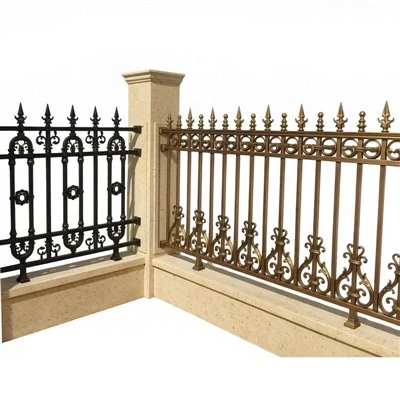
Wrought iron fences are known for their classic and elegant look. They’re often used in high – end residential and commercial properties. Wrought iron is a dense and heavy material, similar to steel. So, the shipping costs for wrought iron fences are also relatively high.
The intricate designs of wrought iron fences can make them more difficult to package and transport. They might require special padding and handling to prevent damage during shipping. This adds to the overall shipping cost. Like steel fences, sea freight is usually the best option for international shipments of wrought iron fences, while ground shipping is suitable for local or regional deliveries.
Chain Link Fences
Chain link fences are a popular choice for budget – friendly fencing solutions. They’re lightweight and easy to transport. The materials used in chain link fences, such as galvanized steel wire, are not as heavy as solid steel or wrought iron.
Shipping chain link fences is generally quite affordable, regardless of the distance. Ground shipping is the most common method for chain link fence shipments, and it’s cost – effective for both local and regional deliveries. For international shipments, sea freight can also be a good option, thanks to the relatively low weight and compact packaging of chain link fences.
How to Minimize Shipping Costs

As a supplier, I’m always looking for ways to help my customers save on shipping costs. Here are a few tips:
- Buy in Bulk: If you’re planning to purchase a large quantity of metal fence, buying in bulk can often lead to lower shipping costs per unit. Shipping companies usually offer discounts for large orders because it’s more efficient for them to load and transport a larger quantity of goods at once.
- Choose the Right Shipping Method: Consider the urgency of your order and the distance of the shipment when choosing a shipping method. If you’re not in a hurry, sea freight or ground shipping can save you a lot of money compared to air freight.
- Optimize Packaging: Make sure the fences are properly packaged to minimize damage and maximize the use of space. This can help reduce the overall shipping volume and, in turn, the shipping cost.
Let’s Do Business!
Guard Railing If you’re in the market for metal fence classes and want to learn more about our products and shipping costs, I’d love to hear from you. Whether you need a few fence panels for your backyard or a large – scale installation for a commercial project, we’ve got you covered. Reach out to us and let’s start the conversation. We can discuss your specific needs, provide you with a personalized quote, and help you find the most cost – effective shipping solution for your order.
References
- Industry reports on metal fence manufacturing and shipping trends.
- Personal experiences and interactions with shipping companies over the years.
Nantong Yinuo Metal Technology Co., Ltd.
As one of the most professional metal fence class manufacturers and suppliers in China, we have world-leading production equipment and strong manufacturing capabilities. Please feel free to wholesale customized metal fence class made in China here from our factory. Welcome to contact us for quotation.
Address: No. 888 Yucai Road, Baochang Town, Haimen District, Nantong City, Jiangsu Province
E-mail: ntyinuo2026@163.com
WebSite: https://www.ntyinnuo.com/
