What is the Best Coating for Aluminum End Mills?
As a seasoned supplier of aluminum end mills, I’ve witnessed firsthand the transformative impact that the right coating can have on tool performance. In the world of machining aluminum, the choice of coating is not just a technical detail; it’s a strategic decision that can significantly influence productivity, tool life, and the overall quality of the finished product. In this blog, I’ll share my insights on the best coatings for aluminum end mills, based on my years of experience in the industry. Aluminum End Mills
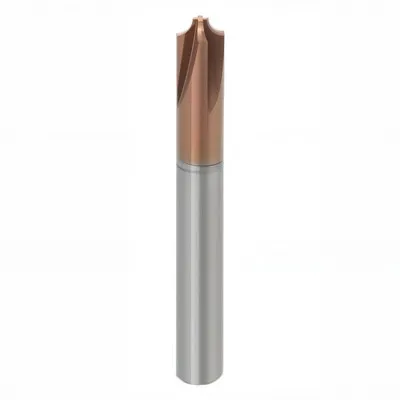
Why Coating Matters for Aluminum End Mills
Before delving into the specific coatings, it’s important to understand why coating is crucial for aluminum end mills. Aluminum is a soft and sticky material, which means it has a tendency to adhere to the cutting edges of the tool during machining. This can lead to a range of problems, including built-up edge (BUE), increased tool wear, and poor surface finish on the workpiece. A high-quality coating can act as a barrier between the tool and the aluminum, reducing friction, preventing BUE, and extending the tool’s lifespan.
Popular Coatings for Aluminum End Mills
- Titanium Nitride (TiN)
TiN is one of the most commonly used coatings for end mills, and for good reason. It has a high hardness, excellent wear resistance, and a low coefficient of friction, making it well-suited for machining aluminum. The golden color of TiN also makes it easy to visually inspect the tool for wear. However, TiN is not the best choice for high-speed machining or applications where the tool is exposed to high temperatures, as it can start to break down at around 500°C. - Titanium Aluminum Nitride (TiAlN)
TiAlN is an advanced coating that offers superior performance compared to TiN, especially in high-speed and high-temperature applications. It contains a higher percentage of aluminum, which forms a protective oxide layer on the tool surface when exposed to heat. This oxide layer acts as an insulator, reducing the temperature at the cutting edge and preventing the coating from breaking down. TiAlN-coated end mills can withstand temperatures up to 800°C, making them ideal for high-speed machining of aluminum. - Diamond-Like Carbon (DLC)
DLC is a thin, hard coating that provides excellent low-friction properties and chemical inertness. It is particularly effective in reducing the adhesion of aluminum to the tool surface, making it a great choice for machining sticky aluminum alloys. DLC-coated end mills can produce a very smooth surface finish on the workpiece and have a long tool life. However, DLC coatings are relatively expensive and can be more difficult to apply compared to other coatings. - Aluminum Chromium Nitride (AlCrN)
AlCrN is another high-performance coating that is well-suited for machining aluminum. It has a high hardness, good wear resistance, and excellent thermal stability. The chromium in the coating helps to improve the oxidation resistance of the tool, making it suitable for high-speed and high-feed machining applications. AlCrN-coated end mills can provide long tool life and high-quality surface finishes on aluminum workpieces.
Factors to Consider When Choosing a Coating
When choosing the best coating for aluminum end mills, there are several factors to consider:
- Machining Application
The type of machining operation you are performing will have a significant impact on the choice of coating. For example, if you are doing high-speed milling, a coating with high thermal stability, such as TiAlN or AlCrN, would be a better choice. If you are machining a sticky aluminum alloy, a low-friction coating like DLC might be more suitable. - Aluminum Alloy
Different aluminum alloys have different properties, and some may be more difficult to machine than others. For example, alloys with high silicon content can be more abrasive, which requires a coating with high wear resistance. Understanding the specific properties of the aluminum alloy you are machining will help you choose the right coating. - Cutting Parameters
The cutting speed, feed rate, and depth of cut you are using also affect the performance of the coating. Higher cutting parameters generally generate more heat and stress on the tool, so a coating with better thermal stability and wear resistance is required. - Tool Life and Cost
While high-performance coatings can offer longer tool life and better machining results, they are also usually more expensive. You need to balance the cost of the coating against the potential savings in tool replacement and increased productivity.
Real-World Examples and Case Studies
Let me share a few real-world examples to illustrate the benefits of using the right coating for aluminum end mills.
Case Study 1: A machining shop was struggling with poor surface finish and short tool life when machining a high-silicon aluminum alloy. After switching from a TiN-coated end mill to a TiAlN-coated end mill, they noticed a significant improvement in the surface finish of the workpieces. The TiAlN coating was able to withstand the high temperatures generated during machining, preventing BUE and reducing tool wear. As a result, the tool life increased by more than 50%, and the productivity of the machining process improved.
Case Study 2: Another customer was working on a high-speed milling project of a soft aluminum alloy. They initially used an uncoated end mill, which led to frequent tool breakage and poor surface quality. After upgrading to a DLC-coated end mill, the low-friction properties of the DLC coating reduced the adhesion of the aluminum to the tool, resulting in a smooth surface finish and a longer tool life. The high-speed machining process also became more stable and efficient.
Conclusion
In conclusion, choosing the best coating for aluminum end mills is a critical decision that can have a major impact on the performance of your machining operations. Each coating has its own unique properties and advantages, and the right choice depends on a variety of factors, including the machining application, the aluminum alloy, the cutting parameters, and the cost. As a supplier of aluminum end mills, I’m here to help you make an informed decision and find the coating that best suits your needs.
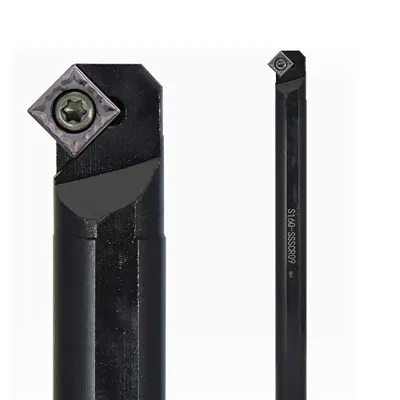
Inserts If you’re interested in learning more about our aluminum end mills and the coatings we offer, or if you have any questions about choosing the right tool for your application, please don’t hesitate to get in touch. We’re always happy to have a conversation with you and provide the support you need to achieve the best results in your machining projects.
References
- Trent, E. M., & Wright, P. K. (2000). Metal Cutting. Butterworth-Heinemann.
- König, W., Biermann, D., & Heinzel, C. (2001). Handbook of Machining with Cutting Tools. Springer.
- Shaw, M. C. (2005). Metal Cutting Principles (2nd ed.). Oxford University Press.
Small Craftsman (Shandong) Machine & Tools Co., Ltd.
Small Craftsman (Shandong) Machine & Tools Co., Ltd. is one of the most experienced aluminum end mills manufacturers and suppliers in China, also supports customized service with low price. Please feel free to buy bulk high quality aluminum end mills in stock here from our factory. Contact us for pricelist.
Address: No.9 Quanxin Rd., Sishui Economic Developing Zone, Jining, Shandong, China.
E-mail: 6196@ocutchina.com
WebSite: https://www.ocutooling.com/
