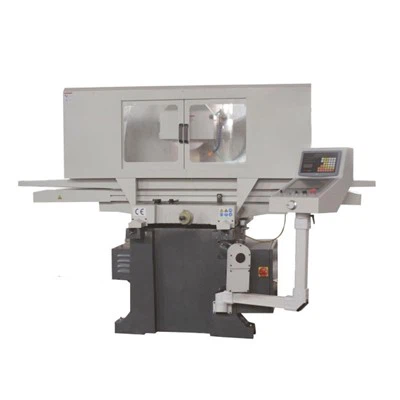
The lifespan of a grinding wheel in a manual surface grinder is a crucial aspect that both operators and suppliers need to understand. As a supplier of manual surface grinders, I’ve encountered numerous inquiries from customers regarding this very topic. In this blog, I’ll delve into the factors influencing the lifespan of a grinding wheel, how to estimate it, and ways to extend it. Manual Surface Grinder
Factors Affecting the Lifespan of a Grinding Wheel
1. Wheel Material
The material of the grinding wheel is one of the primary determinants of its lifespan. Common materials for grinding wheels include aluminum oxide, silicon carbide, and cubic boron nitride (CBN). Aluminum oxide wheels are versatile and suitable for grinding a wide range of materials, including steel and cast iron. They are relatively durable but may wear out faster when grinding harder materials. Silicon carbide wheels, on the other hand, are more brittle but offer excellent cutting performance when grinding non – ferrous metals, ceramics, and glass. CBN wheels are extremely hard and are used for grinding hard materials such as hardened steels and superalloys. They have a much longer lifespan compared to aluminum oxide and silicon carbide wheels, but they are also more expensive.
2. Workpiece Material
The type of material being ground has a significant impact on the grinding wheel’s lifespan. Harder workpiece materials, such as hardened steels and ceramics, require more abrasive force to remove material. This causes the grinding wheel to wear out more quickly as the abrasive grains are subjected to higher stresses. Softer materials, like aluminum and brass, are easier to grind and put less stress on the grinding wheel, resulting in a longer lifespan.
3. Grinding Parameters
- Cutting Speed: The cutting speed of the grinding wheel, which is the speed at which the wheel rotates, affects its wear rate. Higher cutting speeds generally lead to faster material removal but also increase the wear on the grinding wheel. Operators need to find the right balance between cutting speed and wheel lifespan based on the workpiece material and the desired surface finish.
- Feed Rate: The feed rate is the rate at which the workpiece is moved towards the grinding wheel. A higher feed rate means more material is being removed per unit of time, which can cause the grinding wheel to wear out faster. Conversely, a very low feed rate may not be efficient and can also lead to glazing of the wheel, where the abrasive grains become dull and clogged with swarf.
- Depth of Cut: The depth of cut is the thickness of the material removed in a single pass of the grinding wheel. A larger depth of cut requires more abrasive force and can accelerate the wear of the grinding wheel. Operators should select an appropriate depth of cut based on the workpiece material, the grinding wheel’s specifications, and the machine’s capabilities.
4. Machine Condition
The condition of the manual surface grinder itself can affect the lifespan of the grinding wheel. A poorly maintained machine may have issues such as vibration, misalignment, or insufficient lubrication. Vibration can cause uneven wear on the grinding wheel, leading to premature failure. Misalignment can result in the grinding wheel not making proper contact with the workpiece, causing uneven loading and increased wear. Insufficient lubrication can lead to overheating of the grinding wheel, which can damage the abrasive grains and reduce the wheel’s lifespan.
5. Operator Skill
The skill of the operator also plays a role in the lifespan of the grinding wheel. An experienced operator knows how to set the appropriate grinding parameters, such as cutting speed, feed rate, and depth of cut, based on the workpiece material and the grinding wheel’s characteristics. They also know how to dress the grinding wheel properly to maintain its cutting performance. In contrast, an inexperienced operator may make mistakes that can cause the grinding wheel to wear out prematurely, such as using incorrect grinding parameters or improper dressing techniques.
Estimating the Lifespan of a Grinding Wheel
Estimating the exact lifespan of a grinding wheel is challenging due to the numerous variables involved. However, some general guidelines can be used. One way is to measure the volume of material removed by the grinding wheel before it needs to be replaced. This can be calculated based on the grinding parameters and the time of operation. For example, if an operator knows the feed rate, depth of cut, and the width of the grinding wheel, they can calculate the volume of material removed per unit of time. By monitoring the total volume of material removed over the life of the grinding wheel in previous operations, an estimate can be made for future use.
Another approach is to monitor the grinding wheel’s performance. As the grinding wheel wears out, the cutting force required to remove material increases, and the surface finish of the workpiece may deteriorate. Operators can use sensors to measure the cutting force and monitor the surface finish. When the cutting force exceeds a certain threshold or the surface finish no longer meets the requirements, it may be time to replace the grinding wheel.
Extending the Lifespan of a Grinding Wheel
1. Proper Dressing
Dressing is the process of restoring the cutting ability of the grinding wheel by removing the dull and clogged abrasive grains. Regular dressing helps to maintain the sharpness of the grinding wheel and ensures even wear. Operators should use the appropriate dressing tool and follow the correct dressing procedure. For example, when using a diamond dressing tool, the dressing depth and speed should be set according to the grinding wheel’s specifications.
2. Optimal Grinding Parameters
As mentioned earlier, selecting the right grinding parameters is crucial for extending the lifespan of the grinding wheel. Operators should refer to the grinding wheel manufacturer’s recommendations and adjust the cutting speed, feed rate, and depth of cut based on the workpiece material. For example, when grinding a hard material, a lower cutting speed and feed rate may be necessary to reduce the stress on the grinding wheel.
3. Machine Maintenance
Regular maintenance of the manual surface grinder is essential for ensuring the proper operation of the grinding wheel. This includes checking and adjusting the machine’s alignment, lubricating the moving parts, and inspecting the spindle for any signs of wear or damage. A well – maintained machine reduces vibration and ensures that the grinding wheel makes proper contact with the workpiece, which helps to extend the wheel’s lifespan.
4. Operator Training
Providing operators with proper training is an effective way to extend the lifespan of the grinding wheel. Training should cover topics such as grinding wheel selection, grinding parameter setting, dressing techniques, and machine maintenance. By improving the operator’s skills, they can make better decisions during the grinding process, which can lead to longer wheel life and better – quality workpieces.
Conclusion
The lifespan of a grinding wheel in a manual surface grinder is influenced by multiple factors, including the wheel material, workpiece material, grinding parameters, machine condition, and operator skill. While it is difficult to predict the exact lifespan, understanding these factors and taking appropriate measures can help to estimate and extend it. As a supplier of manual surface grinders, I am committed to providing our customers with high – quality machines and comprehensive support to ensure that they can achieve optimal grinding performance and maximize the lifespan of their grinding wheels.
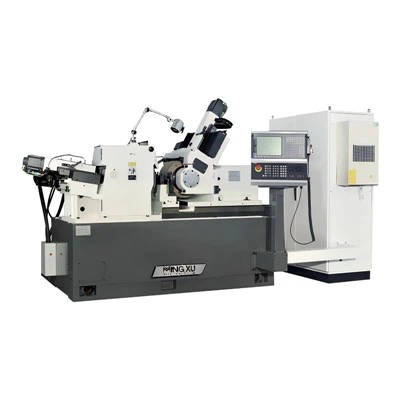
Precision Surface Grinder If you are interested in our manual surface grinders or have any questions regarding grinding wheel lifespan and grinding operations, please feel free to contact us. We are more than happy to engage in procurement discussions with you and help you find the best solutions for your grinding needs.
References
- "Grinding Technology: Theory and Applications of Machining with Abrasives" by Stephenson and Agapiou.
- "Manufacturing Engineering and Technology" by Kalpakjian and Schmid.
- Technical manuals from leading grinding wheel manufacturers.
Wuxi Mingxu Machinery Equipment Co., Ltd.
As one of the most professional manual surface grinder manufacturers and suppliers in China, we’re featured by quality products and good price. Please rest assured to buy the best manual surface grinder for sale here from our factory. Also, custom service is available.
Address: No. 5-5 Jinke Wealth Plaza, Changjiang North Road, Xinwu District, Wuxi City, Jiangsu Province
E-mail: yingyingmxjd@163.com
WebSite: https://www.mingxu-china.com/
