How do you replace the bulbs in emergency ceiling lights?
As a dedicated supplier of emergency ceiling lights, I’ve encountered numerous inquiries from customers regarding the replacement of bulbs in these crucial safety fixtures. In this blog post, I’ll walk you through the process of replacing bulbs in emergency ceiling lights, offering practical tips and insights based on my experience in the industry. Emergency Ceiling Lights
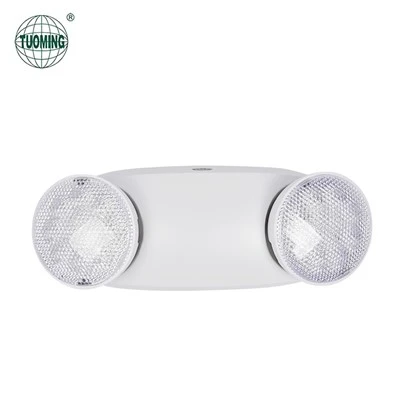
Understanding the Importance of Emergency Ceiling Lights
Emergency ceiling lights are essential components of any building’s safety infrastructure. They provide illumination during power outages or emergencies, ensuring that occupants can safely navigate the premises and exit in a timely manner. Regular maintenance, including bulb replacement, is crucial to ensure that these lights function properly when needed.
Types of Bulbs Used in Emergency Ceiling Lights
Before replacing the bulbs in your emergency ceiling lights, it’s important to understand the different types of bulbs commonly used in these fixtures. The most common types include:
- LED Bulbs: LED bulbs are energy-efficient, long-lasting, and provide bright illumination. They are a popular choice for emergency ceiling lights due to their reliability and low maintenance requirements.
- Incandescent Bulbs: Incandescent bulbs are traditional bulbs that produce light by heating a filament. While they are less energy-efficient than LED bulbs, they are still used in some emergency ceiling lights.
- Fluorescent Bulbs: Fluorescent bulbs are energy-efficient and provide bright illumination. They are commonly used in commercial and industrial settings.
Steps to Replace the Bulbs in Emergency Ceiling Lights
Replacing the bulbs in emergency ceiling lights is a relatively straightforward process. However, it’s important to follow the manufacturer’s instructions and take appropriate safety precautions. Here are the general steps to replace the bulbs in emergency ceiling lights:
- Turn off the Power: Before starting any work on the emergency ceiling lights, turn off the power to the circuit at the breaker box. This will prevent the risk of electric shock.
- Remove the Cover: Most emergency ceiling lights have a cover that can be removed to access the bulbs. Use a screwdriver or other appropriate tool to remove the cover.
- Remove the Old Bulbs: Once the cover is removed, locate the old bulbs. Depending on the type of bulb, you may need to twist or pull the bulb out of the socket.
- Install the New Bulbs: Insert the new bulbs into the sockets, making sure they are securely in place. If the bulbs are LED, make sure they are compatible with the fixture.
- Replace the Cover: Once the new bulbs are installed, replace the cover on the emergency ceiling light. Make sure the cover is securely in place.
- Turn on the Power: After replacing the bulbs, turn on the power to the circuit at the breaker box. Test the emergency ceiling lights to make sure they are working properly.
Tips for Replacing Bulbs in Emergency Ceiling Lights
Here are some tips to help you replace the bulbs in emergency ceiling lights safely and effectively:
- Use the Right Tools: Make sure you have the right tools for the job, such as a screwdriver, pliers, or a bulb removal tool.
- Wear Protective Gear: When working with electrical components, it’s important to wear protective gear, such as gloves and safety glasses.
- Follow the Manufacturer’s Instructions: Always follow the manufacturer’s instructions when replacing the bulbs in emergency ceiling lights. This will ensure that the lights are installed correctly and function properly.
- Test the Lights: After replacing the bulbs, test the emergency ceiling lights to make sure they are working properly. This will help you identify any issues and ensure that the lights are ready for use in an emergency.
Common Issues and Troubleshooting
While replacing the bulbs in emergency ceiling lights is a relatively straightforward process, there may be some common issues that you encounter. Here are some common issues and troubleshooting tips:
- Bulbs Not Working: If the bulbs are not working, make sure they are properly installed and that the power is turned on. If the bulbs are still not working, the issue may be with the fixture or the electrical circuit.
- Flickering Lights: If the lights are flickering, the issue may be with the bulbs or the fixture. Try replacing the bulbs or checking the connections to the fixture.
- Overheating: If the bulbs are overheating, the issue may be with the fixture or the electrical circuit. Make sure the fixture is properly ventilated and that the bulbs are not overloaded.
Conclusion

Replacing the bulbs in emergency ceiling lights is an important part of maintaining the safety and functionality of these crucial fixtures. By following the steps outlined in this blog post and taking appropriate safety precautions, you can ensure that your emergency ceiling lights are working properly and ready for use in an emergency.
Outdoor Emergency Lights As a supplier of emergency ceiling lights, I’m committed to providing high-quality products and excellent customer service. If you have any questions or need assistance with replacing the bulbs in your emergency ceiling lights, please don’t hesitate to contact me. I’m here to help you ensure the safety and reliability of your emergency lighting system.
References
- National Fire Protection Association (NFPA) 101: Life Safety Code
- International Building Code (IBC)
- Occupational Safety and Health Administration (OSHA) regulations
Zhongshan Tuoming Lighting Technology Co., Ltd.
As one of the leading emergency ceiling lights manufacturers and suppliers in China, we warmly welcome you to buy advanced emergency ceiling lights in stock here from our factory. All customized products are with high quality and low price.
Address: No.1, 10th Floor, No.17, Tongfu South Road, Guzhen Town, Zhongshan City, Guangdong Province
E-mail: tm002@tuominglight.com
WebSite: https://www.tuominglight.com/
