If you’ve ever found yourself staring at your kid’s scuffed, faded belt—one that’s sat at the bottom of their backpack for half a school year, or been chewed at the buckle by a teething toddler—and thought, “Can I just dye this to make it look like new again?” you’re not alone. As someone who’s spent the last eight years running a small kids’ belts supplier, I get this question all the time. Last month alone, three different parents reached out to our customer service inbox asking the exact same thing: Is it safe to dye my kid’s belt? Will the dye wash off and stain their clothes or skin? And do I even need to buy a whole new belt when this one’s still in good shape, aside from the color? Kids’ Belts
Before I dive into the answer, let’s set one thing straight: not all kids’ belts are created equal. We’ve all stocked every type under the sun at our shop—cotton webbing belts for elementary schoolers, leather belts for formal events, silicone belts for little ones who put everything in their mouths, even nylon neoprene belts for kids who spend most of their days outside running around. The answer to “Can kids’ belts be dyed?” depends almost entirely on what material the belt is made of, because not every fabric or surface reacts the same way to dye, especially when we’re talking about items that will be worn by kids, who are way more likely to rub their hands on their belts, touch their faces after wearing them, or have the belt press against sensitive skin for hours at a time.
Let’s start with the most common type of kids’ belt we sell: cotton webbing belts. These are the ones with the woven, sturdy strap, usually used for casual outfits, school uniforms, or even as reversible belts for little kids who change their style daily. Cotton is a natural fiber, and it’s one of the easiest materials to dye—at least in theory. But here’s the catch: regular clothing dye (like Rit or Dylon) works for cotton, but not all dye is safe for items kids will wear. A few years back, we had a customer who dyed her 7-year-old’s cotton belt with a cheap, off-brand liquid dye from a big box store. She reached out to us a week later, panicking because her son’s white dress shirt had blue streaks all over the collar and cuffs after he wore the belt. The dye had reacted with the cotton webbing in a way that made it bleed, even after she followed all the instructions.
Why does that happen? Cotton is a porous fiber, and if you don’t use a dye that’s specifically formulated to set permanently on natural fibers, or if you don’t pre-treat the belt properly, the dye will wash out or rub off onto whatever it touches. For kids, that’s a problem. Their skin is more sensitive than adults’, and prolonged contact with loose dye can cause irritation in some cases, especially for kids with eczema or other skin conditions. That’s why, when we give parents advice about dyeing cotton webbing belts, we always recommend two things: first, use a fiber-reactive dye (not a basic all-purpose dye) because it chemically bonds to cotton, making it much less likely to bleed. Second, test a small, hidden part of the belt (like the inside end that’s tucked under the buckle) first. If the dye rubs off on a white paper towel when you blot it, it’s not ready to be worn by your kid, no matter how cute the color is.
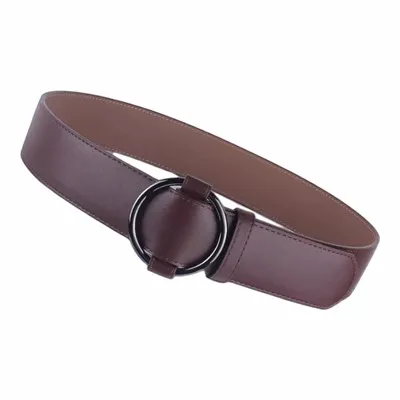
Next up: leather kids’ belts. Leather is another popular material, especially for older kids who need belts that hold up to dress pants or jeans. Dyeing leather is a whole different process than dyeing cotton, and it’s even trickier when kids are involved. Most leather belts for kids are made from full-grain or top-grain leather—higher quality, more durable, but also more porous than bonded leather or fake leather. If you’ve ever dyed a leather jacket or a leather shoe, you know that leather dye is liquid, and it changes the color of the entire surface, not just the fibers. But for kids’ leather belts, you have to be extra careful.
Last year, a dad brought his 10-year-old’s leather belt into our store. His son had outgrown it, but it was still in perfect condition, just faded from being in the sun. He wanted to dye it a darker brown to match his new jeans. We told him up front that leather dye will almost always change the texture of the belt a little—make it stiffer in some spots—and that if he used a regular leather dye without a sealer, it would rub off onto his son’s skin. Sure enough, he tried it, and a week later he was back saying his son complained of a red spot on his waist where the belt had been rubbing. The sealer step is non-negotiable for leather belts that a kid will wear. We also always advise against dyeing faux leather belts for kids. Faux leather is a plastic-based material, and most dyes won’t stick to it at all—they’ll just sit on top, which means they’ll peel off after a few wears. It’s not worth the hassle, and it’s definitely not worth putting your kid’s skin at risk for a temporary color fix.
Then there’s silicone belts, which have blown up in popularity over the last few years, especially for toddlers and young kids. Silicone is soft, flexible, often adjustable, and completely non-toxic, which makes it perfect for kids who chew on everything. But can you dye silicone? The short answer is: it’s possible, but it’s not something we recommend as a quick home project. Silicone is a synthetic, non-porous material, so dye doesn’t bond to it. Most people who try to dye silicone use fabric dye or even permanent marker, but those will come off after a few washes, especially if the belt gets sweaty or is wiped down with antibacterial wipes (which most parents use on kids’ stuff all the time). We’ve tested a few silicone dye products that are made specifically for rubber and silicone, but even those require a lot of prep work—sanding the surface of the belt to rough it up, applying multiple thin coats, and then sealing it with a clear top coat. Even then, we’ve seen cases where the dye starts to chip after a month of regular use by an active kid. For silicone belts, which are relatively inexpensive compared to leather or cotton webbing, it’s almost always cheaper and safer to just buy a new one if the color fades or gets dirty.
Wait a second—what about kids who have a favorite belt, maybe a special holiday belt or a belt with a character their kid loves, that’s stained or faded? We get that too. Last month, a mom reached out to us about a belt her 5-year-old had gotten for his first birthday. It was a soft canvas belt with a dinosaur print, and it had gotten a coffee stain on the side that wouldn’t come out no matter how many times she washed it. She didn’t want to throw it away because it was his favorite, so she wanted to dye it black. We talked her through the steps we recommend, but we also warned her that if the stain was deep, it might show through the new dye. She tried it anyway, and a week later she sent us a photo of her son wearing the black belt, and the old dinosaur print was barely visible. It worked, but only because she used a fiber-reactive dye and spent an extra 20 minutes pre-soaking the belt in hot water to open up the fibers before applying the dye.
But here’s the bigger question: should you even dye your kid’s belt in the first place? For most parents, the answer is no, and it’s not just because of the dye safety. Kids’ belts go through a lot—they get stretched, pulled, sat on, and chewed on. A belt that’s faded is probably still in perfectly good condition, and dyeing it can be a messy, time-consuming project that might not turn out the way you want. As a supplier, we’ve thought a lot about this, which is why we carry so many affordable, high-quality kids’ belts in a huge range of colors and styles. We have neon belts for soccer practice, neutral belts for school uniforms, formal leather belts for weddings, even adjustable belts for toddlers who grow out of sizes every few months.
That said, if you do decide to dye your kid’s belt, there are a few non-negotiables to keep in mind to keep your kid safe. First, always, always use a dye that’s labeled safe for children’s clothing or accessories. Avoid any dye that says “for adult use only” or that has harsh chemical warnings. Second, test for color fastness before letting your kid wear it. As I mentioned earlier, blot a hidden spot with a white paper towel after the dye has set—if any color comes off, let it cure for a few more days, or apply a color sealant made for the material. Third, don’t dye a belt that has metal parts (like the buckle or the holes) unless you’re very careful to cover those parts completely. Dye can get into the metal, and while most metal belt buckles are nickel-free (which is important for kids who have metal allergies), leftover dye on the buckle could cause irritation.
We also had a case a couple years back that drove home how important safety is when it comes to dyeing kids’ items. A dad dyed his 6-year-old’s canvas belt for a family trip, and he skipped the sealing step. The belt rubbed against his son’s waist for a full day at the park, and by the end of the day, his son had a red, itchy rash. He brought the belt into our store, and we tested the dye— it was a basic all-purpose dye that wasn’t meant for cotton, and it had leaked through the seal he’d skipped. We gave him a few samples of our favorite non-toxic dye, and he re-dyed the belt correctly, and the rash cleared up in two days. That’s the kind of story that makes us emphasize safety over DIY projects for kids’ belts.
At the end of the day, can kids’ belts be dyed? Yes, in most cases, but it’s not as simple as grabbing a bottle of Rit from the grocery store and dipping it in. It requires knowing what material your belt is made of, using the right dye, taking extra steps to set the color, and prioritizing your kid’s safety over a quick color fix. As a kids’ belts supplier, we’d much rather have you come shop our wide selection of durable, affordable, and already colored belts that are tested for safety, but if you do decide to dye an old belt, we hope our advice helps you do it the right way.

If you’re tired of dealing with faded, stained, or ill-fitting kids’ belts, we’d love to help you find the perfect option for your child. Our team has years of experience working with parents to pick belts that are safe, comfortable, and hold up to everything your kid throws at them. Reach out to our sales team to learn more about our product line, custom options, or bulk ordering for schools or organizations. We’re here to make kids’ belts easy, so you can focus on the other chaos of parenting, not on dyeing or repairing worn-out accessories.
Leather Belts References
- Occupational Safety and Health Administration (OSHA). (2022). Safety Guidelines for Hazardous Chemicals Used in Consumer Products. U.S. Department of Labor.
- American Academy of Dermatology (AAD). (2021). Common Allergens in Children’s Clothing and Accessories. AAD Press.
- Textile Institute. (2020). Guide to Natural Fiber Dyeing for Home Use. Textile Society Publications.
- Leather Industry Association of America (LIAA). (2019). Home Dyeing Guidelines for Leather Accessories. LIAA Technical Report.
- International Organization for Standardization (ISO). (2021). Safety Standards for Children’s Leather Goods. ISO 8124-2:2021.
Pingyang County Ganhua Leather Goods Co., Ltd.
As one of the most professional kids’ belts manufacturers and suppliers in China, we’re featured by quality products and good service. Please rest assured to wholesale customized kids’ belts made in China here from our factory. Also, free sample is available.
Address: No. 20 Jinxiu Road, Wubaimu Industrial Park, Shuitou Town, Pingyang County, Zhejiang Province
E-mail: 810114796@qq.com
WebSite: https://www.ganhuabelt.com/
