If you’ve ever shopped for a vertical form fill seal (VFFS) machine, I bet one of the first questions that popped into your head (after “how much is this gonna cost?”) was something like, “wait, what actually counts as the warranty period here?” And honestly, that’s such a fair question—because I’ve seen way too many new packaging owners get burned by vague fine print, or end up stuck paying for repairs that they thought were covered, just because they didn’t ask the right stuff early on. I’m the owner of a VFFS supply company, and I’ve been around these machines long enough to know that warranty periods aren’t one-size-fits-all. Let me break this down like I would for a customer sitting across my desk, no jargon, no hidden terms. Vertical Form Fill Seal Machine(VFFS)
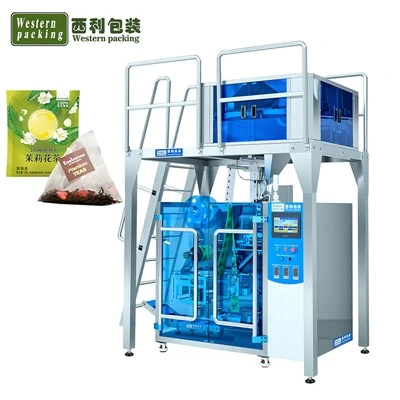
First off, let’s get one thing straight: the base warranty for most standard VFFS machines these days? Usually 12 months, or 2,000 operating hours—whichever comes first. That’s not a random number I pulled out of thin air; that’s the industry sweet spot that most reputable suppliers stick to. Wait, but hold on—“standard” is the key word here. If you’re buying a super basic entry-level machine for packing granola bars or small candy? That 12 months/2,000 hours is pretty standard. But if you’re splurging on a customized model for, say, frozen food that runs 24/7, or pharmaceutical products that need extra precision? Your warranty might shift a little. I’ve had customers come to me saying, “but the guy down the street said his is 24 months!” Yeah, maybe—if that machine’s only rated for 4,000 hours total, or if it skips on the parts that actually break. A longer warranty isn’t always better if it doesn’t cover the stuff that’ll actually mess you up.
Now, let’s talk about what actually counts as covered under that base warranty, because that’s where a lot of confusion hits. The base warranty almost always covers defects in parts and workmanship. So if a drive motor stops working out of nowhere because it was assembled wrong at the factory, or a sensor that seals the bags burns up on its own within that first year? We’ll send the replacement part to you for free, no questions asked. But here’s the catch: that coverage only applies if you’re using the machine how it’s meant to be used. No running it 24/7 beyond its rated capacity, no skipping maintenance, no modifying it on your own without our okay. I had a customer a couple years back who tried to cram 5lb bags of rice through a machine rated for 2lb max—sensor broke, he called us asking for a free replacement. Sorry, not our fault. That’s operator error, plain and simple.
Another thing that trips people up: what’s not covered. Consumable parts, for one. Things like heat seal bars, cutting blades, belt seals, even the packaging film guides—those are considered wear items, right? They’re designed to wear down over time from regular use. Most suppliers (including us) don’t cover those under the base warranty, but we do offer them at wholesale prices, and we usually include a starter pack of the most common consumables with the machine when you first buy it. That’s a nice touch that not all companies do, by the way. Also, any damage from things like power surges, water leaks if you’re running the machine in a damp space, or even using the wrong type of packaging film? Nope, that’s on you. We always tell customers to test their film with our machine before full production, because using the wrong thickness or type can mess up the seals and void any warranty claims.
Wait, but what if you need extra coverage? Like, say your factory runs three shifts a day, 6 days a week, so that 12 months/2,000 hours is gonna fly by in 8 months. A lot of suppliers offer extended warranty plans, and that’s where you can negotiate a little. For our customers, we offer extended warranties that add up to 2 more years, and they cover the same defects as the base plan, plus sometimes even some consumables or on-site service calls if the machine breaks down at your factory. The cost for that? Usually between 5-10% of the machine’s total price, per year. It’s not for everyone—if you’re only using the machine part-time for small batches, you probably don’t need it. But if you’re running a high-volume production line, that extra peace of mind is worth every penny when a part goes out at 2 a.m. and you don’t wanna pay a $500 rush service fee.
Also, let’s talk about on-site vs. in-house service for warranty repairs. This is another big one. Some suppliers only cover parts in the box, so you have to take the broken part out, pack it up, ship it back, wait a week for the replacement, and then install it yourself. That’s fine if you have a maintenance team on staff, but if you’re a small business owner who only has one guy who knows how to turn a wrench? That downtime is gonna kill your production. At our company, for the base warranty, we cover free on-site service calls within 50 miles of our warehouse, and for customers farther out, we cover the cost of shipping the part and reimburse you for a local tech’s time up to a certain amount. We had a customer in Chicago last year whose sealing motor went out on a Saturday—we overnighted a new motor to them and coordinated with a local tech to install it that same day, so they only lost 4 hours of production, not 3 days. That’s the kind of thing that makes the warranty actually useful, not just a line on a contract.
Now, let’s clear up some common myths, because I hear these all the time from new buyers. Myth #1: The warranty starts when you receive the machine. Nope, usually it starts when the machine is fully installed and tested at your facility. That’s important because if it takes you 2 weeks to get it set up and running, that time doesn’t eat into your warranty. Myth #2: All parts are covered for the entire warranty period. No, like I said earlier, wear parts are almost never covered, and even some electrical parts might only be covered for the first 6 months in some super cheap, no-name machines. That’s why we tell customers to check the fine print—don’t just read the first paragraph that says “12 month warranty,” flip to the back and see what’s excluded. Myth #3: If you have a problem, the supplier will fix it for free no matter what. Sorry, we’re not magicians. If you modify the machine, use the wrong parts, or run it outside its rated capacity, the warranty’s void. It’s not meant to cover negligence, it’s meant to cover defects from the manufacturer.
Another thing that factors into warranty length: the type of VFFS machine you’re buying. Entry-level, tabletop VFFS machines for small businesses that do 100 bags an hour? Their warranties are usually 12 months, same as standard, but they’re built for lighter use. Mid-range machines, good for 500-1,000 bags an hour? Our base warranty is 18 months, because those are built to handle more consistent use. High-speed, industrial VFFS machines that do 5,000+ bags an hour for big food brands or pharmaceutical companies? We offer a base warranty of 12 months, but since those machines are so customized, we work with the customer to adjust coverage based on their production schedule. We had a big snack brand client last year that runs their line 24/7, so we gave them a base warranty of 10,000 operating hours instead of 12 months, which works out better for them since their machine is always running.
Wait, also—what about parts availability? A good warranty isn’t just about covering defects, it’s about making sure you can get the parts you need when you need them. If a supplier goes out of business 6 months after you buy your machine, their warranty is useless, right? That’s why we’ve been in the VFFS supply business for 15 years—we’ve got a huge inventory of spare parts on hand, so if a customer has a warranty claim, we can ship the part same-day, no waiting around for the factory to make it. I see a lot of small new suppliers popping up with cheap machines and “24 month warranties,” but they don’t have the parts or the service team to back that up. So that’s a big thing to keep in mind: warranty period means nothing if the supplier can’t deliver on the service.
Let me give you a real example of how this plays out. Last quarter, we had two customers: one bought an entry-level tabletop VFFS for packing handmade candles, uses it 4 hours a day, 5 days a week. His warranty is 12 months, he didn’t buy extended coverage, and he hasn’t had any issues yet. The other customer bought a mid-range machine for packing frozen veggies, runs it two shifts a day, 6 days a week. His warranty is 18 months, he added 12 months of extended coverage, and when his heat seal bar wore out after 8 months (which is normal), we sold him a new one at a 30% discount under his extended plan. If he didn’t have that extended coverage, he’d have paid full price for a $200 part, which adds up when you’re going through heat seal bars every few months.
Now, let’s talk about what to ask your supplier before you sign anything, because this is the stuff that will save you a headache later. First, “What exactly is the warranty period—calendar months, operating hours, or both?” Don’t take their word for it, get it in writing. Second, “What parts are covered, what parts are excluded, and what’s considered normal wear?” Third, “Is on-site service included, or do I have to ship parts back?” Fourth, “What happens if I have a claim on a weekend or holiday?” If a supplier can’t answer these questions clearly, that’s a red flag. At our company, we make sure every customer gets a 1-page summary of the warranty, no fine print, no confusing legal jargon, so they know exactly what they’re getting.
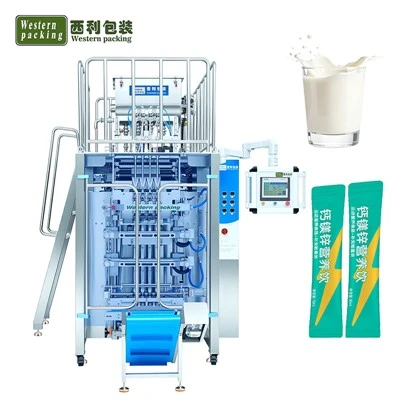
At the end of the day, the warranty period for a VFFS machine isn’t a marketing gimmick to get you to spend more. It’s a guarantee that the machine you’re buying is built to last, and that the supplier will stand behind it when something goes wrong. A 12 month warranty is great for small, part-time use, a longer extended plan is worth it for high-volume production, and always make sure you’re clear on what’s covered and what’s not. If you’re in the market for a VFFS machine, or you’re tired of dealing with a supplier that doesn’t have your back when your packaging line breaks, reach out to us—we’ll walk you through every part of the process, from picking the right machine for your needs to explaining the warranty in plain English, no salesy nonsense.
Tea Bag Packaging Machine References:
- Packaging Machinery Manufacturers Institute. (2022). Guidelines for Warranty and Service Agreements for Vertical Form Fill Seal Machinery.
- International Organization for Standardization. (2021). ISO 13849: Safety of Machinery – Safety-Related Control Systems – Part 1: General Principles for Design.
- Food and Drug Administration. (2020). Good Manufacturing Practices for Packaging and Labeling of Food and Pharmaceutical Products.
- Industrial Packaging Association. (2023). 2023 Market Report on VFFS Machine Durability and Warranty Standards.
Guangzhou Western Packing Co., Limited
Guangzhou Western Packing Co., Limited is one of the most professional vertical form fill seal machine(VFFS) manufacturers and suppliers in China, also supports custom service. With abundant experience, we warmly welcome you to wholesale durable vertical form fill seal machine(VFFS) at competitive price from our factory.
Address: No.3, Yilong street, Wulonggang, Zhongluotan Twon, Baiyun District, Guangzhou
E-mail: david@westernpacking.com
WebSite: https://www.westernpackingusa.com/
