As a supplier of vehicle wheelchair lifts, I often encounter a common question from customers: "Can I get insurance coverage for a vehicle wheelchair lift?" This is a crucial query, especially for those who rely on wheelchair lifts to enhance their mobility and independence. In this blog, I’ll delve into the intricacies of insurance coverage for vehicle wheelchair lifts, sharing insights based on my experience in the industry. Vehicle Wheelchair Lifts
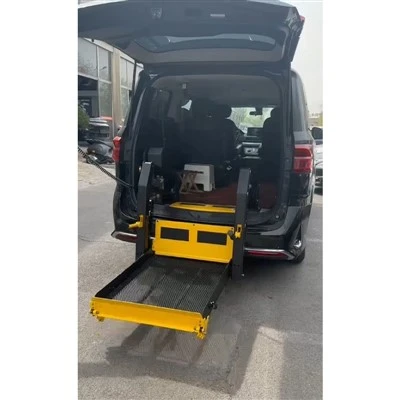
Understanding the Need for Vehicle Wheelchair Lifts
Before we explore insurance coverage, it’s essential to grasp why vehicle wheelchair lifts are so important. For individuals with mobility impairments, having the ability to transport their wheelchair safely and conveniently is a game – changer. A vehicle wheelchair lift eliminates the need for manual lifting and maneuvering of heavy wheelchairs, reducing the risk of injury to both the user and their caregivers. It allows wheelchair users to maintain their autonomy, enabling them to travel to work, attend medical appointments, or engage in social activities independently.
Types of Vehicle Wheelchair Lifts
There are several types of vehicle wheelchair lifts available in the market, each designed to meet different needs and vehicle configurations. Some of the common types include:
- Outside – Mounted Lifts: These are installed on the exterior of the vehicle, usually at the rear. They are suitable for larger vehicles and can handle heavy – duty wheelchairs.
- Inside – Mounted Lifts: As the name suggests, these are installed inside the vehicle. They are more discreet and can be a good option for smaller vehicles.
- Folding Lifts: These lifts can be folded up when not in use, saving space within the vehicle.
- Powered Lifts: Powered by electricity or hydraulic systems, these lifts offer easy operation with minimal physical effort.
Insurance Coverage for Vehicle Wheelchair Lifts
Health Insurance
Health insurance can sometimes cover the cost of a vehicle wheelchair lift, but it depends on several factors.
- Medical Necessity: The most important criterion for health insurance coverage is proving medical necessity. Insurance companies typically require documentation from a healthcare provider stating that the wheelchair lift is necessary for the patient’s medical condition. For example, if a person has a spinal cord injury and cannot transfer in and out of a vehicle without a lift, this would likely be considered medically necessary.
- Policy Limitations: Different health insurance policies have different limitations. Some may only cover a portion of the cost, while others may have strict requirements regarding the type of lift that can be covered. For instance, a policy might only cover a basic, standard – model lift and not a more advanced, customized one.
- Prior Authorization: In most cases, prior authorization from the insurance company is required before purchasing a wheelchair lift. This involves submitting detailed information about the patient’s medical condition, the recommended lift, and its cost.
Auto Insurance
Auto insurance coverage for vehicle wheelchair lifts is less common but can be possible in certain situations.
- Collision and Comprehensive Coverage: If your vehicle is involved in an accident (covered under collision or comprehensive coverage), and the wheelchair lift is damaged as a result, the insurance may cover the repair or replacement cost. However, this is subject to your policy’s deductible and coverage limits.
- Endorsements or Riders: Some auto insurance policies offer endorsements or riders specifically for wheelchair – accessible equipment. Adding this type of coverage to your policy can provide more comprehensive protection for your vehicle wheelchair lift.
Other Insurance Options
- Homeowners or Renters Insurance: In some cases, homeowners or renters insurance may cover the theft or damage of a wheelchair lift if it is stored at home. However, the coverage may be limited, and it’s important to check with your insurance provider to understand the terms and conditions.
Factors Affecting Insurance Coverage
- Cost of the Lift: More expensive, high – end wheelchair lifts may be more difficult to get fully covered by insurance. Insurance companies often have cost – containment measures in place and may only cover a certain amount or a lower – cost alternative.
- Age and Condition of the Vehicle: Older vehicles may be less likely to have comprehensive insurance coverage for a wheelchair lift. Insurance companies may consider the overall value of the vehicle and the cost – effectiveness of covering the lift.
- Documentation and Records: Proper documentation of the medical need, the purchase of the lift, and any maintenance or repair records is crucial. Incomplete or inaccurate documentation can lead to denial of insurance claims.
Tips for Getting Insurance Coverage
- Work with a Knowledgeable Dealer: As a vehicle wheelchair lift supplier, I have extensive experience working with insurance companies. Choose a dealer who can help you navigate the insurance process, provide the necessary documentation, and assist in getting your claim approved.
- Understand Your Policy: Thoroughly review your insurance policy to understand what is covered, what requires prior authorization, and what limitations apply. If you have any questions, don’t hesitate to contact your insurance provider directly.
- Build a Case for Medical Necessity: Work closely with your healthcare provider to document your medical condition and the need for a wheelchair lift. Provide detailed information about how the lift will improve your quality of life and mobility.
- Keep Records: Maintain all receipts, invoices, and communication related to your wheelchair lift purchase and insurance claim. This documentation will be invaluable if you need to appeal a denied claim.
Our Role as a Vehicle Wheelchair Lift Supplier
At our company, we understand the challenges that customers face when trying to obtain insurance coverage for vehicle wheelchair lifts. We are committed to helping our customers navigate this complex process. Our team of experts can assist with the following:
- Product Selection: Based on your specific needs and insurance requirements, we can recommend the most suitable wheelchair lift for your vehicle.
- Documentation Support: We can provide detailed product information, installation records, and any other documentation needed to support your insurance claim.
- Insurance Liaison: We have established relationships with many insurance companies and can assist in communicating with them on your behalf to ensure a smooth claims process.
Conclusion
Getting insurance coverage for a vehicle wheelchair lift is possible, but it requires careful planning, documentation, and understanding of your insurance policy. As a vehicle wheelchair lift supplier, we are here to support you every step of the way. Whether you are a wheelchair user looking to enhance your mobility or a caregiver seeking the best solution for your loved one, we can provide the expertise and assistance you need.

If you are interested in learning more about our vehicle wheelchair lifts or need help with insurance coverage, don’t hesitate to reach out to us. We are eager to have a detailed discussion with you about your unique requirements and how we can help you get the most suitable wheelchair lift for your vehicle.
Car Transfer Aid References
- "Guide to Wheelchair – Accessible Vehicle Modifications" by Mobility Works
- "Insurance Basics for Assistive Technology" published by the National Disability Institute
Guangdong Zhunixing Intelligent Technology Co., Ltd.
As one of the most professional vehicle wheelchair lifts manufacturers and suppliers in China, we have world-leading production equipment and strong manufacturing capabilities. Please feel free to buy customized vehicle wheelchair lifts made in China here from our factory.
Address: Room 101, No. 4, Yaojun Industrial Road, Hongmei Town, Dongguan City, Guangdong Province
E-mail: dgczqcfw@163.com
WebSite: https://www.zhunixingtech.com/
