Selecting the right scrubbing pad for a surface is a crucial decision that can significantly impact the cleaning process. As a dedicated supplier of scrubbing pads, I’ve witnessed firsthand the importance of making an informed choice. In this blog, I’ll share valuable insights to help you choose the most suitable scrubbing pad for various surfaces. Scrubbing Pads
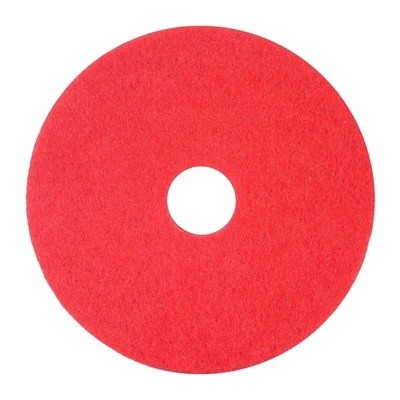
Understanding Surface Types
Before delving into the world of scrubbing pads, it’s essential to understand the different surface types you’ll encounter. Each surface has unique characteristics and requires a specific approach to cleaning.
Hard Surfaces
Hard surfaces include materials such as tile, porcelain, glass, and metals. These surfaces are generally durable and can withstand more aggressive cleaning methods. However, it’s important to choose a scrubbing pad that won’t scratch or damage the surface. For instance, ceramic tile floors are a popular choice in many homes and commercial spaces. They are relatively easy to clean, but over time, dirt and grime can accumulate in the grout lines. A stiff-bristled scrubbing pad can be effective in removing stubborn stains from the tile surface.
Soft Surfaces
Soft surfaces, like carpets, upholstery, and some types of wood, are more delicate and require a gentler touch. Using the wrong scrubbing pad on a soft surface can cause damage, such as fraying, scratching, or discoloration. For example, a wool carpet is a luxurious but delicate surface. To clean it effectively without causing damage, you should opt for a soft, microfiber scrubbing pad.
Porous Surfaces
Porous surfaces, such as concrete, natural stone, and some types of wood, have tiny holes or pores that can trap dirt and moisture. Cleaning porous surfaces requires a scrubbing pad that can penetrate these pores to remove deep-seated dirt. A nylon or polyester scrubbing pad with medium to coarse bristles can be a good choice for porous surfaces. For instance, a concrete driveway can accumulate oil stains, dirt, and debris over time. A medium-bristled scrubbing pad can help to remove these stains effectively.
Scrubbing Pad Materials
Scrubbing pads are made from a variety of materials, each with its own set of properties and suitability for different surfaces.
Steel Wool
Steel wool is a popular choice for heavy-duty cleaning tasks. It is made from fine steel strands that are woven together to form a pad. Steel wool is very abrasive and can be used to remove stubborn stains, rust, and paint from hard surfaces. However, it can also scratch delicate surfaces, so it should be used with caution. For example, if you need to remove rust from an old metal pipe, steel wool can be an effective solution.
Nylon
Nylon is a synthetic material that is widely used in scrubbing pads. It is durable, flexible, and resistant to chemicals. Nylon scrubbing pads are available in a range of textures, from soft to coarse, making them suitable for a variety of surfaces. They are often used for general cleaning tasks on hard and soft surfaces. For instance, a nylon scrubbing pad can be used to clean a plastic sink without scratching it.
Polyester
Polyester is another synthetic material commonly used in scrubbing pads. It is similar to nylon in terms of durability and chemical resistance, but it is generally softer and less abrasive. Polyester scrubbing pads are ideal for cleaning delicate surfaces, such as glass, mirrors, and polished metal. For example, a polyester scrubbing pad can be used to clean a glass shower door without leaving streaks.
Microfiber
Microfiber is a very fine synthetic fiber that is known for its high absorbency and cleaning power. Microfiber scrubbing pads are soft and gentle, making them suitable for cleaning delicate surfaces. They are also effective at capturing and holding dirt, dust, and bacteria, making them a popular choice for cleaning in healthcare and food service environments. For instance, a microfiber scrubbing pad can be used to clean the screens of electronic devices without scratching them.
Considerations for Selection
When choosing a scrubbing pad, there are several factors to consider to ensure you select the right one for the job.
Cleaning Task
The type of cleaning task you need to perform is one of the most important factors to consider. For heavy-duty cleaning tasks, such as removing stubborn stains or rust, you may need a more abrasive scrubbing pad. For light cleaning tasks, such as dusting or wiping, a softer scrubbing pad may be sufficient. For example, if you are cleaning a greasy stovetop, a coarse nylon scrubbing pad may be the best choice.
Surface Sensitivity
The sensitivity of the surface you are cleaning is another crucial factor. Delicate surfaces, such as marble, glass, and polished wood, require a soft and gentle scrubbing pad to avoid scratching or damage. Harder surfaces, such as tile, concrete, and metal, can tolerate a more abrasive scrubbing pad. For instance, when cleaning a marble countertop, a microfiber or soft polyester scrubbing pad should be used.
Chemical Compatibility
If you are using cleaning chemicals in conjunction with the scrubbing pad, it’s important to ensure that the pad is compatible with the chemicals. Some chemicals can react with certain materials, causing damage to the scrubbing pad or the surface. Always check the manufacturer’s instructions for both the cleaning chemical and the scrubbing pad before use. For example, some cleaning agents may be too harsh for a nylon scrubbing pad, so it’s important to choose a pad that is resistant to the specific chemicals you are using.
Durability
The durability of the scrubbing pad is also an important consideration. You want to choose a pad that will last through multiple cleaning sessions without falling apart or losing its effectiveness. Consider the quality of the materials and the construction of the pad. For instance, a well-made nylon scrubbing pad may last longer than a cheaper, less durable alternative.
Application and Usage Tips
Pre-Cleaning Inspection
Before using a scrubbing pad on a surface, it’s important to inspect the surface for any damage or debris. Remove any loose dirt or objects from the surface to prevent them from scratching the surface during the cleaning process. For example, if you are cleaning a wood floor, sweep or vacuum it first to remove any dust or debris.
Test in an Inconspicuous Area
It’s always a good idea to test the scrubbing pad in an inconspicuous area first to ensure that it does not cause any damage to the surface. Apply a small amount of cleaning solution and gently scrub the area using the chosen scrubbing pad. Check for any signs of scratching, discoloration, or damage before proceeding with the full cleaning. For instance, if you are using a new scrubbing pad on a painted wall, test it in a corner or behind a piece of furniture.
Rinse and Dry After Use
After using the scrubbing pad, rinse it thoroughly with clean water to remove any dirt, debris, or cleaning chemicals. Allow the pad to dry completely before storing it. This will help to prevent the growth of bacteria and fungi and extend the life of the pad. For example, if you have used a scrubbing pad to clean a dirty bathtub, rinse it under running water until the water runs clear.
Conclusion

Choosing the right scrubbing pad for a surface is a critical step in achieving effective and efficient cleaning results. By understanding the different surface types, the properties of various scrubbing pad materials, and the key considerations for selection, you can make an informed decision that will protect your surfaces and ensure a thorough clean.
Abrasive Pads As a scrubbing pad supplier, I’m committed to providing high-quality products that meet the diverse needs of our customers. If you’re in the market for scrubbing pads and need assistance in choosing the right ones for your specific applications, please don’t hesitate to reach out. Let’s start a conversation about your requirements and find the perfect scrubbing pad solutions for you.
References
- Cleaning Products Handbook, Manufacturer’s Guides
- Surface Cleaning Best Practices Research Papers
- Industry Standards for Scrubbing Pad Materials and Quality
Guangzhou YION New Material Technology Co., Ltd.
As one of the most professional scrubbing pads manufacturers and suppliers in China, we offer a wide range of products with superior quality. Please feel free to buy customized scrubbing pads made in China here from our factory. Also, quotation is available.
Address: Room 110, Building 2, No. 2 Jinhuan Street, Nansha District, Guangzhou City, Guangdong Province, China.
E-mail: info@yiontech.cn
WebSite: https://www.yionpads.com/
