Hey there! I’m a supplier of gas fired kilns, and I’ve been in this business for quite a while. One question that I often get from our customers is how the gas flow rate affects the firing in a gas fired kiln. So, I thought I’d write a blog post to share my thoughts and experiences on this topic. Gas Fired Kiln
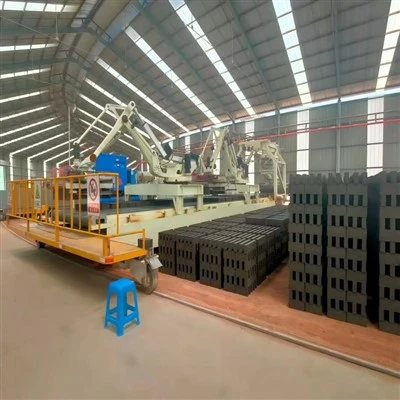
Let’s start by understanding what gas flow rate is. Simply put, the gas flow rate is the amount of gas that is flowing into the kiln per unit of time. It’s usually measured in cubic feet per minute (CFM) or cubic meters per hour (m³/h). This rate is a crucial factor because it determines how much fuel is available for combustion in the kiln, and that directly impacts the firing process.
Impact on Temperature
The most obvious way the gas flow rate affects firing is through temperature control. If the gas flow rate is too low, there won’t be enough fuel for complete combustion. As a result, the kiln won’t reach the desired firing temperature. You might have set your kiln to fire at, say, 1200°C, but with a low gas flow rate, it might only get up to 1000°C or even less. This can lead to under – fired products. For example, if you’re firing ceramics, under – firing can cause the pieces to be weak, porous, and not have the proper color or glaze finish.
On the flip side, if the gas flow rate is too high, the kiln will heat up too quickly. A rapid increase in temperature can cause thermal shock to the items being fired. In ceramics, thermal shock can make the pieces crack or break. Also, excessive gas flow can lead to over – firing. The glaze on ceramics might start to run, or the material itself could deform. For metal – firing applications, over – firing might cause the metal to lose its desired properties, like hardness or ductility.
Uniformity of Heating
Another important aspect is the uniformity of heating inside the kiln. A well – regulated gas flow rate helps to distribute heat evenly throughout the kiln chamber. When the gas flow is just right, the burners can produce a consistent flame pattern. This consistent flame spreads heat uniformly, ensuring that all the items in the kiln are fired evenly.
However, if the gas flow rate is inconsistent, say it fluctuates up and down, the heating will also be uneven. Some parts of the kiln might be hotter than others. This is a big problem because it means that some of your products will be over – fired while others are under – fired. For instance, in a pottery kiln, you might have a stack of plates. If the gas flow is erratic, the plates at the top might be melting while the ones at the bottom are barely firing.
Combustion Efficiency
The gas flow rate has a direct impact on combustion efficiency. For efficient combustion, the right amount of gas needs to mix with the right amount of oxygen. If the gas flow rate is too high compared to the available oxygen, there won’t be enough oxygen to burn all the gas completely. This is called incomplete combustion. Incomplete combustion not only wastes fuel but also produces harmful by – products like carbon monoxide.
Conversely, if the gas flow rate is too low, you’re not making the most of the burner’s capacity. The burners need a certain minimum amount of gas to operate efficiently. A very low gas flow can lead to a weak, unstable flame that doesn’t generate enough heat.
Flame Characteristics
The flame in a gas fired kiln is affected by the gas flow rate as well. A proper gas flow rate creates a stable, well – shaped flame. The flame should be blue and have a clean, strong appearance. A blue flame indicates complete combustion, which is what we want.
If the gas flow rate is low, the flame might be weak and yellowish. A yellow flame is a sign of incomplete combustion. It means that there’s not enough oxygen to burn all the gas, and the unburned carbon particles in the gas are glowing, giving the flame its yellow color.
On the other hand, a high gas flow rate can cause the flame to be too long and turbulent. A long, turbulent flame might not stay in the right position in the kiln, which can lead to uneven heating.
Controlling the Gas Flow Rate
Now that we know how important the gas flow rate is, you might be wondering how to control it. Most of our gas fired kilns come equipped with flow control valves. These valves allow you to adjust the amount of gas flowing into the kiln. You can fine – tune the valve to get the right gas flow rate for your specific firing requirements.
Some kilns also have advanced control systems. These systems can automatically adjust the gas flow rate based on the temperature inside the kiln. For example, if the temperature starts to drop below the set point, the system will increase the gas flow to bring the temperature back up.
Real – World Applications and Considerations
Let’s take a look at some real – world scenarios. If you’re firing small, delicate ceramic pieces, you usually want a lower gas flow rate. This allows for a slower, more controlled heating process, reducing the risk of thermal shock. You can start with a very low gas flow rate during the pre – heating stage and gradually increase it as the temperature rises.
On the other hand, if you’re firing large, thick pieces of metal or ceramic, you might need a higher gas flow rate. The thicker the material, the more heat it takes to reach the firing temperature. However, you still need to be careful not to increase the gas flow rate too rapidly.
Importance of Regular Maintenance
To ensure that the gas flow rate remains consistent and the kiln operates at its best, regular maintenance is a must. Over time, the burners can get clogged with debris, which can affect the gas flow. The valves can also wear out, leading to inaccurate gas flow control.
We recommend cleaning the burners regularly and checking the valves for any signs of damage. If you notice any irregularities in the gas flow or the firing process, it’s a good idea to have a professional technician take a look at the kiln.
In conclusion, the gas flow rate is a critical factor in the firing process of a gas fired kiln. It affects temperature control, heating uniformity, combustion efficiency, and flame characteristics. By understanding how the gas flow rate impacts firing, you can get the most out of your kiln and produce high – quality products.
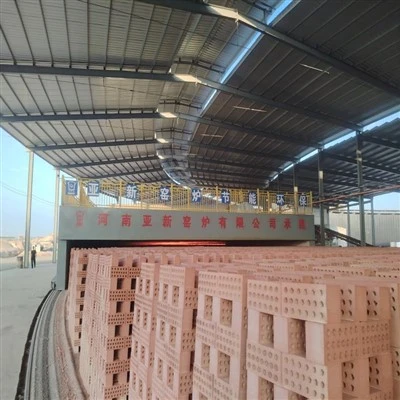
If you’re in the market for a gas fired kiln or have any questions about gas flow rates and firing, don’t hesitate to reach out. We’d love to discuss your specific needs and help you find the perfect solution for your business. Whether you’re a small – scale artist or a large – scale manufacturer, we’ve got the expertise and the right kiln for you.
Mobile Energy Saving Rotary Kiln References
- Smith, J. (2018). Fundamentals of Kiln Firing. Ceramics Press.
- Johnson, R. (2020). Gas Fired Kilns: Operation and Maintenance. Industrial Heating Journal.
Henan Yaxin Kiln Co., Ltd.
Henan Yaxin Kiln Co., Ltd. is one of the most professional gas fired kiln manufacturers and suppliers in China. With abundant experience, we warmly welcome you to buy high quality gas fired kiln with the latest design from our factory. Good service and punctual delivery are available.
Address: Jixian Industrial Zone, Shangqiu City, Henan Province
E-mail: 1543563178@qq.com
WebSite: https://www.hnyxkiln.com/
