Alright, folks! As a supplier of secondary distribution boxes, I’ve been getting a bunch of questions about cable management requirements for these boxes. So, I thought I’d sit down and share some insights on what you need to know. Secondary Distribution Box
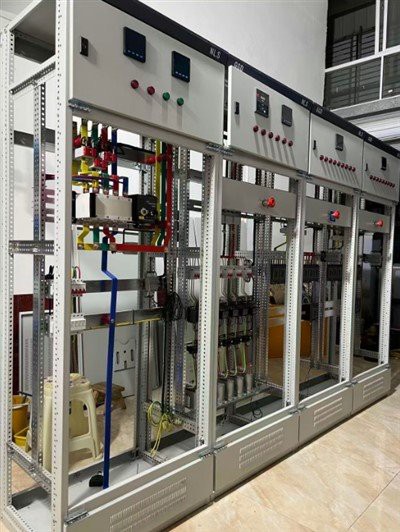
First off, let’s talk about why cable management in a secondary distribution box is such a big deal. A well – managed cable system can prevent a whole bunch of headaches. It reduces the risk of short – circuits, makes maintenance a breeze, and improves the overall safety and reliability of the electrical system.
Space and Organization
One of the key requirements is having enough space for all the cables. You don’t want to cram a whole bunch of cables into a small box. It’s like trying to fit a whole family into a tiny closet – it just won’t work well. When designing a secondary distribution box, we make sure there’s ample room for cables to be laid out neatly.
We usually recommend leaving at least 20% of the box’s internal space free for future expansions or just to give the cables some breathing room. This helps in preventing overheating, which can be a real problem if cables are too tightly packed.
Organization is also crucial. Cables should be grouped according to their function, like power cables, control cables, and communication cables. For example, power cables carry high – voltage electricity, and if they’re mixed with control cables, they can cause interference. So, we use dividers and cable trays to keep different types of cables separate.
Cable Routing
Proper cable routing is another important aspect. Cables should be routed in a way that they don’t cross each other unnecessarily. Crossing cables can lead to abrasion, which can damage the cable insulation over time. We always try to route cables in straight lines as much as possible, and when we need to make bends, we make sure the bend radius is within the manufacturer’s recommended limits.
For example, most power cables have a minimum bend radius of about 10 times the cable diameter. If you bend the cable too sharply, it can cause internal damage to the conductors, leading to reduced performance and potentially dangerous situations.
We also avoid routing cables through sharp edges or corners inside the box. These can cut into the cable insulation, exposing the conductors and causing short – circuits. To prevent this, we use cable grommets and smooth the edges of any metal parts in the box.
Securing the Cables
Cables need to be properly secured within the secondary distribution box. Loose cables can move around, get entangled, or even fall out of the box, which is a major safety hazard. We use cable ties, clips, or clamps to hold the cables in place.
Cable ties are really handy for bundling small groups of cables together. They’re easy to use and can be adjusted as needed. For larger cables or cables that need more support, we use clips or clamps. These are usually made of plastic or metal and are designed to firmly hold the cable in place without damaging it.
It’s also important to make sure the cable ties or clips aren’t too tight. If they’re too tight, they can cut into the cable insulation, so we always leave a little bit of slack.
Labeling
Labeling is a simple but super important part of cable management in a secondary distribution box. You don’t want to be in a situation where you’re trying to troubleshoot an issue, and you have no idea which cable is which.
We label every cable with clear and durable labels. The labels should include information like the cable’s function, where it’s going, and any relevant ratings. This makes it easy for maintenance personnel to identify and work on the cables quickly and safely.
Protection from the Environment
Secondary distribution boxes are often installed in various environments, and the cables need to be protected accordingly. If the box is installed outdoors, the cables need to be protected from moisture, UV rays, and extreme temperatures.
We use cables with appropriate outdoor – rated insulation. For example, some cables have a special UV – resistant jacket that can withstand long – term exposure to sunlight without degrading. We also seal the box properly to prevent water from getting inside.
In industrial environments, the cables may be exposed to chemicals or mechanical stress. In these cases, we use cables with chemical – resistant insulation and install protective covers or conduits to prevent physical damage.
Grounding and Bonding
Grounding and bonding are essential for the safety of the electrical system in a secondary distribution box. All metal parts of the box, including cable trays and enclosures, should be properly grounded. This helps in preventing electrical shocks and ensures that any fault currents are safely diverted to the ground.
Cables also need to be bonded correctly. For example, if there are multiple cables in a bundle, they should be bonded together to ensure equal potential and prevent electrostatic discharge.
Testing and Maintenance
Once the cables are installed and managed in the secondary distribution box, regular testing and maintenance are necessary. We recommend performing visual inspections at least once a year to check for any signs of damage, such as frayed insulation or loose connections.
Electrical testing, like insulation resistance testing, should also be done periodically. This helps in detecting any early signs of cable degradation or potential electrical problems.
In conclusion, cable management in a secondary distribution box is a multi – faceted task that requires careful planning, proper installation, and regular maintenance. By following these requirements, you can ensure a safe, reliable, and efficient electrical system.
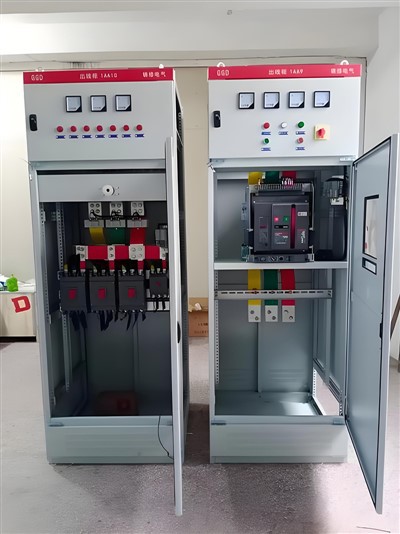
If you’re in the market for secondary distribution boxes and want to learn more about how we can help you with proper cable management, don’t hesitate to reach out. We’re here to answer all your questions and work with you to find the best solutions for your needs.
Lv Distribution Board References:
- Electrical Installation Manuals
- Cable Manufacturer’s Guidelines
- National Electrical Codes
Anhui Nanxian Electric Co., Ltd.
With abundant experience, we are one of the most professional secondary distribution box manufacturers and suppliers in China. We warmly welcome you to buy advanced secondary distribution box for sale here and get quotation from our factory. All customized products are with high quality and low price.
Address: Factory Unit 03-2, Building 21, Feidong Yinfeng Industrial Park Co., Ltd., Northeast Corner of Manquan Road and Changle Road, Hefei Circular Economy Demonstration Park, Feidong County, Hefei City, Anhui Province.
E-mail: 541580567@qq.com
WebSite: https://www.nxelepower.com/
