When business owners or production managers start shopping for wire processing lines, the first question on most lips is: “Which company makes the best wire processing lines?” As someone who’s worked in the wire machinery supply industry for over a decade, I’ve seen dozens of manufacturers, tested scores of lines, and talked to hundreds of end-users who’ve faced the costly, frustrating mistakes that come with choosing the wrong equipment. There’s no one-size-fits-all answer, though—what counts as “best” depends entirely on your operation’s size, the wire types you process, your output goals, and your budget. But after years in the thick of this market, I can break down what makes a great wire processing line, who stands out for specific use cases, and how to cut through the marketing noise to pick the option that won’t hold your business back. Wire Processing Line
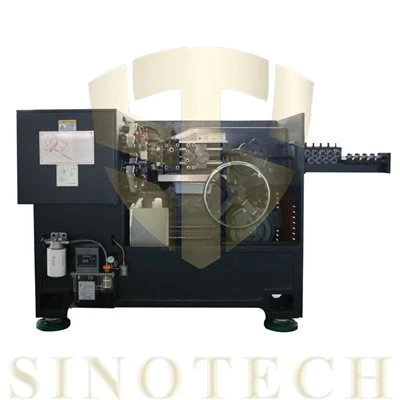
Let’s start with what actually defines a high-quality wire processing line, because so many vendors lead with shiny features that don’t translate to real value. A wire processing line doesn’t just cut or strip wire—it has to handle a range of materials: copper, aluminum, specialty alloys, even tiny gauge wire for electronics or thick steel for automotive parts. It needs to be consistent, because even a 0.1mm variation in cut length can derail assembly lines that rely on uniform parts. Downtime is another make-or-break factor: if your line goes down for three days to replace a part, that’s thousands in lost production, so easy access to spare parts and fast service is non-negotiable. Safety also can’t be an afterthought—industry regulations for industrial machinery are strict, and lines with poorly designed guardrails or exposed moving parts end up costing more in compliance and worker injuries than they’re worth.
Now, let’s talk about the players in this space, and what each brings to the table. For small to mid-sized businesses that process primarily copper wire for automotive, electronics, or electrical contracting, there are a few manufacturers that consistently top user reviews. One of the biggest standouts here is a European brand that’s been building wire processing equipment for over 40 years. Their lines are known for precision and flexibility—they can switch between gauge sizes and processing tasks (stripping, crimping, coiling, even marking wires with part numbers) in minutes, not hours, which is a huge time-saver for runs that mix different wire types. A colleague of mine who runs a small electrical assembly shop told me they upgraded to this brand’s entry-level line three years ago, and in that time, they’ve only had one minor part failure, which the vendor sent out a technician for the next day. The line’s cut accuracy is so consistent that their assembly line rejects dropped by nearly 12%, which more than paid for the upgrade.
For larger operations that handle high-volume, heavy-gauge wire—think steel for construction, industrial machinery, or aerospace—different expertise matters. These lines need to handle more stress, process longer runs without stopping, and integrate with full factory automation systems. A North American manufacturer that specializes in heavy-duty industrial machinery has built a reputation here. Their lines are engineered for continuous, 24/7 operation, with heavy-duty components that can withstand the vibration and wear of processing thick steel wire. One client I worked with, a large automotive parts supplier, installed one of their custom lines five years ago, and it’s processed over 20 million feet of wire without a major shutdown. The vendor also offers custom integration with factory control systems, so the line doesn’t just process wire—it feeds directly into their automated assembly line, cutting out manual handling steps. That kind of integration is critical for high-volume operations, because it eliminates bottlenecks between wire processing and the rest of production.
For specialty wire applications, like medical devices, aerospace wiring, or micro-gauge wire for consumer electronics, the bar is even higher. These applications require extreme precision, because even a tiny flaw in a wire can cause a product to fail. A Japanese manufacturer has led this niche for decades, with lines that can process wire as thin as a human hair, with cut accuracy of less than 0.05mm, and zero damage to the insulation or conductor. Medical device manufacturers, for example, use their lines to process wires for pacemakers and surgical tools, where every wire has to meet strict ISO and FDA standards. Their lines also include built-in inspection systems that scan every wire for defects, so even a tiny nick in the insulation is caught before the wire leaves the line. That level of quality control is non-negotiable in these industries, and this manufacturer has built a loyal customer base precisely because they don’t cut corners on that.
Of course, no discussion of “best” is complete without talking about the mistakes many businesses make when choosing a wire processing line. The biggest one is buying on price alone. It’s tempting to go with a lower-cost line from a lesser-known manufacturer, especially when you’re working with tight budgets, but I’ve seen too many businesses end up with lines that break down every few months, require custom parts that take weeks to arrive, and can’t keep up with their production goals. A client in Texas once bought a budget line for their electrical assembly business, and within a year, they’d spent twice the line’s original cost on repairs and lost production time. When they upgraded to a mid-range line from a reputable manufacturer, their downtime dropped by 80%, and their production output increased by 30%. That’s a common trade-off: spending a bit more upfront on a reliable line saves far more in the long run.
Another mistake is not matching the line’s features to your actual needs. It’s easy to get swayed by a line that does 12 different processing tasks, but if you only ever process three gauge sizes and do basic cutting and stripping, all those extra features are wasted money. A good vendor will work with you to assess your current and future needs—like if you plan to expand your product line in two years, or process new wire types—to build a line that scales with your business. For example, many of today’s top lines are modular, meaning you can add crimping, marking, or inspection modules later on, without replacing the entire line. That flexibility is a huge value, especially for small businesses that expect to grow.
As someone who’s on the ground talking to clients every day, I also want to emphasize that service and support matter just as much as the line itself. No matter how well-built a line is, something will go wrong eventually—whether it’s a part wearing out, a software glitch, or a need to adjust settings for a new wire type. The best manufacturers have local service teams that can be on-site within 24 hours in most regions, offer 24/7 technical support, and keep a full stock of spare parts on hand. Some even offer training for your operators, so you don’t have to rely on the vendor to fix every small issue. I’ve seen lines from top brands underperform for clients simply because the vendor didn’t offer good support, and conversely, a solid line with great support can turn a good investment into a great one.
Now, how do you narrow this down to find the right line for your business? Start by asking yourself a few key questions: What types of wire will you process? What’s your average run length and output per hour? What safety and compliance standards do you need to meet? Do you plan to integrate with automation systems in the future? Once you have those answers, talk to multiple vendors, and don’t be afraid to ask for references from businesses that are similar to yours. A reputable vendor will be happy to put you in touch with existing clients who can tell you about their actual experience—downtime, support, output, all the details that don’t show up in marketing materials.
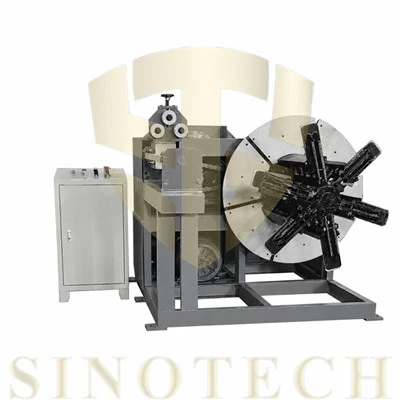
At the end of the day, the “best” wire processing line isn’t the one with the most features, or the lowest price, or the largest brand name. It’s the one that fits your specific operation, helps you reduce downtime, improves quality, and grows with your business. If you’re ready to assess your current needs, compare options, and find a wire processing line that delivers long-term value, I’m here to help. We work with businesses of all sizes, from small startup electrical shops to large industrial manufacturers, to evaluate their processes, recommend the right line, and provide the support you need to keep production running smoothly. Don’t hesitate to reach out to start a conversation about your wire processing goals.
Packaging Solution References
- Wire Processing Machinery Market Report, Industrial Machinery Association, 2024
- Occupational Safety and Health Administration (OSHA), Industrial Machinery Safety Standards, 2023
- Global Wire & Cable Assembly Industry Trends, TechInsights, 2024
- End-User Survey: Wire Processing Line Performance, Manufacturing Today Magazine, Q3 2023
- ISO 9001:2015 Quality Management Systems for Industrial Machinery, International Organization for Standardization, 2022
Sinotech Fasteners Industry Co., Ltd.
With abundant experience, we are one of the most professional wire processing line manufacturers in China. Please feel free to buy customized wire processing line at competitive price from our factory. Welcome to contact us for quotation.
Address: No. 7, North of Bantang Avenue, Huashan Industrial Park, Chaohu Economic Development Zone, Hefei City, Anhui Province, China
E-mail: ryan@sinotechfasteners.com
WebSite: https://www.sinotech-fasteners.com/
