Hey there, thanks for stopping by! If you’re reading this, odds are you’ve either dealt with a tempered glass mirror falling (yikes—scary, messy, and expensive) or you’re just trying to make sure yours never does. Full disclosure: I’ve been in the tempered glass mirror game for almost a decade now, so I’ve seen every mistake in the book (and fixed more than a few from my own clients). Today, I’m breaking down exactly how to keep your mirrors secured tight—no fancy jargon, just real stuff that works. Tempered Glass Mirror

First, let’s cut to why tempered glass mirrors actually fall in the first place. A lot of people think it’s just the mirror being heavy, but that’s not the whole story. Sure, tempered glass is stronger than regular glass, but it’s not unbreakable—its strength comes from being heat-treated, which puts the outer layer under compression and the inner under tension. That said, the biggest culprits for falling mirrors have nothing to do with the glass itself. It’s all in how you mount it, the surface it’s going on, and the little stuff you skip because you think it doesn’t matter. I’ve had a client who mounted a 36×48 mirror over their bathroom vanity with the random sticky hooks they had in their junk drawer—those hooks lasted two weeks before the mirror crashed into their sink (thankfully no one was hurt, but the mirror and vanity were toast). Don’t be that guy.
Let’s start with the basics: choosing the right mounting hardware. This is non-negotiable, and I can’t stress that enough. A lot of people grab whatever screws or adhesives are on hand, but not all hardware is made for tempered glass mirrors. For surface mounts, you want to use either stainless steel mirror clips or heavy-duty mounting brackets—skip the plastic ones, they’ll crack or strip in no time, especially in high-moisture areas like bathrooms or laundry rooms. Stainless steel is key here because it doesn’t rust, and rusted hardware will corrode over time, loosening the mirror’s hold. If you’re using adhesives (great for renters who can’t drill holes), make sure it’s specifically rated for tempered glass, and look for something with a weight capacity at least twice what your mirror actually weighs. I once had a customer use a random double-sided tape from the hardware store that said “holds up to 10 lbs” for a 15 lb mirror—yeah, you can guess how that ended. Pro tip: For adhesive mounts, clean both the mirror and the wall surface with rubbing alcohol first, no soap or water, and let it dry completely before applying. I always tell my clients to wait 24 hours before hanging anything heavy on it, that’s when the adhesive reaches its full strength.
Next up: mounting surface prep. This is another step people sleep on. A mirror isn’t going to stay secure if it’s mounted on a flimsy, uneven surface. Let’s break down common surfaces: drywall, concrete, tile, and wood. For drywall (the most common in homes), you absolutely need to use wall anchors if you’re drilling screws—drywall alone can’t support much weight, especially for mirrors over 20 lbs. I recommend using toggle bolts for larger mirrors, they spread out the weight so it doesn’t tear through the drywall. For concrete or cinder block, you’ll need concrete screws or masonry anchors—regular wood screws won’t bite into concrete, so don’t even try. Tile? Same rule, you need specialized tile anchors, and make sure you drill carefully so you don’t crack the tile (start with a small pilot hole). For wood surfaces, make sure it’s solid wood, not particle board or MDF—particle board crumbles when you drill, so it’s useless for heavy mirrors. If you’re mounting over an existing piece of furniture, like a vanity or dresser, make sure the surface is flat and reinforced, not just the thin top layer. I had a client mount a 40 lb mirror over a cheap particle board dresser, and the whole thing tipped because the dresser couldn’t handle the mirror’s weight. Oops.
Wait, what about the mirror’s weight itself? That’s a big one. A lot of people don’t realize that the mounting needs to be sized for the mirror, not the other way around. Let’s do quick math: a standard 36×48 tempered glass mirror is roughly 1/4 inch thick, which weighs about 20 lbs. So for that mirror, you need hardware rated for at least 20 lbs, but I always go higher—30 lbs minimum, just as a safety buffer. For larger mirrors, like 48×72, that’s closer to 40 lbs, so you need brackets rated for 60+ lbs, not just whatever comes in the box. Also, the number of mounting points matters. For small mirrors (under 18×24), two clips or two adhesive strips work. For medium mirrors (18×24 to 36×48), use four points—one at each corner, or two top and two bottom. For large mirrors (over 36×48), use six or more points, spaced evenly every 12 to 16 inches. Spacing them out keeps the weight distributed, so no one spot is taking all the pressure. I’ve seen people mount a giant 72 inch mirror with just two clips at the top—game over, that’s just asking for it to tip.
Then there are the environmental factors, which get overlooked all the time. If you’re mounting a mirror in a bathroom, kitchen, or any area with high humidity, moisture is your enemy. Humidity makes adhesives break down, and moisture can cause metal hardware to rust, which weakens it over time. How to fight that? First, make sure the area has good ventilation—open a window or use an exhaust fan after showering, that reduces moisture buildup. Second, if you’re using adhesive, get one that’s rated for high humidity, not just general purpose. For metal clips, wipe them down with a dry cloth every few months to get rid of any water spots, and check for rust—if you see even a little, replace the hardware immediately. For mirrors outside (yeah, some people mount them on patio walls, weirdly enough), you need weatherproof hardware and a mirror that’s rated for outdoor use, not just indoor tempered glass. Outdoor tempered glass is sealed to resist moisture and temperature changes, indoor isn’t, so that’s a quick way to ruin a mirror and have it fall.
Another big thing: avoiding physical damage to the mirror itself, which can make it more likely to fall. Tempered glass is strong, but it can crack or chip if you bump it during mounting, or if something hits it later. Even a tiny chip in the corner or edge can create a weak point, and over time, that chip can expand, making the glass weaker and more likely to come loose from the mounting. Always handle the mirror by the edges, not the face, when installing, and don’t let anything hit it after it’s up. I always tell clients to put a soft bumper on the bottom of large mirrors—those little rubber pads that stick on the back corners—so if something bumps into it, it doesn’t shift or get a chip. Those bumpers also add a little extra support, preventing the mirror from tilting forward if the top mounting loosens a tiny bit.
Wait, what about corner vs. full-edge mounting? A lot of people argue about this, but here’s the truth: full-edge mounting (clips that go along the top, bottom, and sides) is more secure for large mirrors, because it supports the edges all around, not just at the corners. Corner mounting is fine for small mirrors, but for anything over 24 inches, full edge is better. I had a customer who mounted a 48×36 mirror with corner clips, and after a year, one of the clips came loose (turns out they drilled into a stud that was a little loose) and the mirror tilted—thankfully the bumpers caught it, but it was a close call. If he’d used full-edge clips, that wouldn’t have happened. Also, when drilling into studs, make sure you find a solid stud, not just the drywall in front of it. A stud finder is like $10 at the hardware store, worth every penny—drilling into drywall only, even with anchors, is not as secure as drilling into a stud. For mirrors over 20 lbs, I always recommend at least two stud mounts, if not more.
Let’s talk about common mistakes I see every single day, so you can avoid them. First, not waiting for adhesive to cure. I know it’s tempting, but if you hang the mirror right after applying the tape, it’s not set yet and will slip. Second, using too small of hardware. I mentioned this earlier, but it’s worth repeating—size up on weight ratings, don’t just go by the size of the clip. Third, not cleaning the surface before mounting. If there’s dust, soap residue, or even hair on the wall or mirror, the adhesive won’t stick, plain and simple. Fourth, not checking the mounts regularly. Even if you do everything right, screws can loosen over time, especially if there’s humidity or temperature changes. Once every six months, go check all the mounting screws, tighten them if needed, and wipe down any adhesive mounts to make sure they’re still holding. Last month I had a client who skipped the regular check, and a screw had backed out over a year—his 30 lb mirror was hanging at a 15 degree angle, the only thing keeping it from falling was the one remaining screw.
Now, for the stuff specific to tempered glass mirrors vs. regular mirrors. Wait, is tempered glass different when it comes to mounting? A little, yeah. Tempered glass has a smoother, more uniform edge, so adhesives stick better, but it’s also more brittle if it chips, so you have to be careful with how you apply pressure when mounting. Also, never use suction cups on tempered glass if the mirror is over 10 lbs—suction cups work for small things, but they lose their grip over time, especially on shiny glass. Stick to clips or heavy-duty adhesives for tempered glass, suction cups are just a short-term fix.
If you’re not comfortable mounting the mirror yourself, that’s totally fine—most people aren’t, and that’s why I’m here, as a supplier, to help. But if you do it yourself, take your time. Rushing leads to mistakes, like drilling the wrong spot, not using enough anchors, or forgetting to clean the surface. I always tell people to lay the mirror flat on a soft surface (like a blanket) when prepping it, so they don’t scratch or chip the glass during mounting. Never stand the mirror upright on the floor while you’re working, that’s how it slips and breaks.
At the end of the day, preventing a tempered glass mirror from falling is all about attention to detail, not fancy tricks. It’s about using the right hardware, prepping the surfaces correctly, matching the mounting to the mirror’s weight and size, and keeping an eye on it regularly. I’ve been doing this long enough to know that even the smallest mistake—like using a plastic clip instead of stainless steel, or skipping the anchor on drywall—can lead to a big, messy problem.
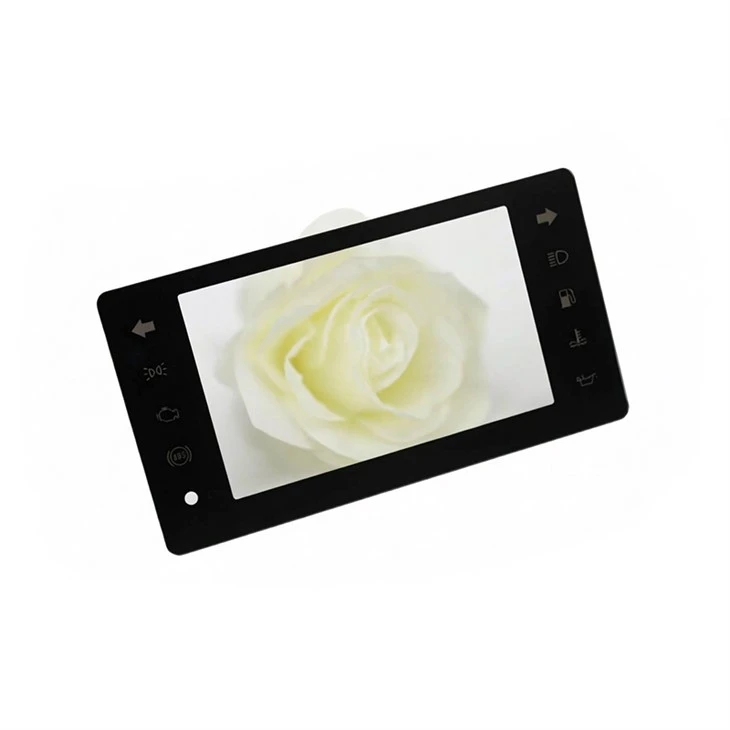
If you’re in the market for a new tempered glass mirror and want to make sure you have everything you need to mount it right, or if you have questions about specific mounting situations, feel free to reach out to our team to talk through your needs. We can help you pick the right mirror, the right hardware, and even share a few quick tips for your space. No sales pressure, just real advice from people who do this every day.
Home Appliance Glass REFERENCES:
- ASTM International. (2018). Standard Specification for Safety Glazing Materials for Glazing Motor Vehicles and Other Applications. ASTM C1036-18.
- National Association of Home Builders (NAHB). (2021). "Wall Mounting Best Practices for Heavy Interior Fixtures." NAHB Research Center Guidelines.
- Glass Magazine. (2020). "Tempered Glass Mounting: Avoiding Common Failure Points in Residential and Commercial Installations." Glass Industry Technical Report.
- Underwriters Laboratories (UL). (2019). "Safety Standards for Adhesive Bonding of Glass in Building Applications." UL 1740.
Huabo Display Technology Co., Ltd.
As one of the most professional tempered glass mirror manufacturers and suppliers in China, we’re featured by quality products and good service. Please rest assured to buy high-grade tempered glass mirror in stock here and get quotation from our factory. Customized orders are welcome.
Address: Office 2622, No.108 Huitong 3rd Road, Hengqin New District, Zhuhai
E-mail: Jeff.wang@huabogroup.com.cn
WebSite: https://www.huabo-global.com/
