If you’ve ever stood in a warm shower on a cold winter morning, loaded a dishwasher with perfectly hot water, or run a laundry load that came out fresh and sanitized, you’ve relied on a hot water boiler without giving much thought to how it works. As a hot water boiler supplier, I’ve spent thousands of hours answering questions from homeowners, small business owners, and building managers who want to feel confident in the system they rely on every day. It’s not just about buying a piece of equipment—it’s about understanding the science behind it, so you can make choices that fit your needs, and trust that your boiler will keep working when you need it most. Let’s break this down simply, no jargon, just the facts you actually need to know. Hot Water Boiler
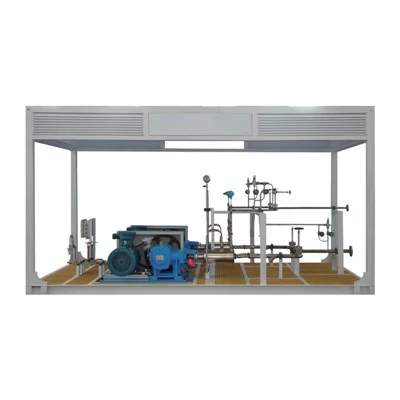
First, let’s start with what a hot water boiler actually is, because a lot of people mix it up with a water heater. Both heat water, but they’re built for different jobs. A standard residential water heater stores a tank of hot water and distributes it on demand, holding enough for a few showers or loads of dishes. A boiler—whether for your home, a café, an apartment building, or a small factory—heats water (or sometimes steam, but we’re talking hot water here) to a consistent temperature on a continuous basis, delivering it wherever it’s needed, even for large spaces. That means if you run a laundromat with 10 washing machines going at once, or a 50-unit apartment building, a boiler won’t run out of hot water halfway through a load like a small tank water heater might. That’s why they’re the go-to for places that need reliable, large-volume hot water.
Now, how does it do that? Let’s walk through the process step by step, like we’re watching a boiler work in real time. The very first thing it needs is cold water, right? Cold water comes into the system from your municipal water supply or a private well, so it’s typically around 50 to 60 degrees Fahrenheit, depending on where you live. Before it even gets to the heating part, most boilers have a cold water inlet pipe with a valve and sometimes a pressure regulator. That’s important because water pressure has to be just right—too high, and you can damage pipes or the boiler itself; too low, and hot water won’t reach your upper floors. The regulator keeps pressure steady, usually between 12 and 15 PSI for residential systems, so the boiler doesn’t have to work harder than it needs to.
Next, that cold water moves into the main vessel of the boiler, called the heat exchanger. This is the heart of the whole system, and it’s why I always stress quality here as a supplier—cheap heat exchangers rust or corrode quickly, because they’re exposed to hot water and combustion gases. Good ones are made of copper, stainless steel, or cast iron, materials that hold heat well and last for decades. The heat exchanger is where the magic happens: it’s a series of tubes, fins, or chambers that separate the water being heated from the fuel that’s burning to generate heat, so you never mix hot water for your home with exhaust fumes. That’s a critical safety point—no boiler we supply will ever have a leak that lets gas into your water lines, because that’s non-negotiable for us.
Now, we need a heat source to warm that cold water in the heat exchanger. Boilers run on one of a few common fuels, and which one you choose depends on your location, utility costs, and personal preference. The most common are natural gas, propane, oil, and electricity. Let’s go through each briefly, because that affects how the boiler operates:
Natural gas boilers: These are the most popular in areas with access to a natural gas line. When the boiler senses that the water in the heat exchanger is too cool, it sends a signal to a gas valve to open, letting gas flow into a combustion chamber. That chamber has a burner, which lights the gas—either with a pilot light (older models) or an electronic igniter (newer, more efficient ones). The flame from the burner heats the heat exchanger directly, so the metal of the exchanger warms up, and the cold water running through it absorbs that heat, raising its temperature to the level you set on your thermostat.
Propane boilers: These work almost exactly like natural gas boilers, except the fuel is stored in a tank on your property, since propane isn’t piped to every home. They’re a great alternative if natural gas isn’t available, and many of the models we supply for rural locations run on propane perfectly.
Oil boilers: Less common now, but still used in some older homes and areas without gas or propane. They use an oil burner that sprays a fine mist of oil into the combustion chamber, where it ignites. Oil burns at a higher temperature than gas, so they can heat water more quickly, but they require more maintenance (like changing the oil filter and cleaning the burner nozzle) than gas models, which is something to keep in mind.
Electric boilers: These don’t burn fuel at all—instead, they use electric heating elements inside the heat exchanger to warm the water. They’re simpler, require almost no maintenance, and are a good option for small spaces or places where you want to avoid gas lines, but they’re usually less energy-efficient than gas or oil boilers, so operating costs can be higher over time.
Once the water in the heat exchanger reaches the temperature you set (usually between 120 and 160 degrees Fahrenheit for residential use, though some commercial boilers can go higher), the boiler shuts off the heat source temporarily. That’s the thermostat doing its job—it’s constantly monitoring the water temperature in the heat exchanger, turning the burner or elements on when it’s too cool, off when it’s hot enough. That cycle repeats all day, every day, so you always have hot water on demand.
Wait, but how does that hot water get to your faucets, showers, and appliances? That’s where the distribution system comes in. Most boilers have a hot water outlet pipe that connects to your home’s (or building’s) pipe network. There are two main types of distribution systems: open loop and closed loop. For residential hot water, it’s almost always a closed loop, meaning the same water circulates between the boiler and your fixtures, only topping up with cold water as needed to replace any small amount that’s used. Open loop systems are more common for heating your home’s radiators, but we’re here for hot water, so closed loop is what matters. Some larger systems have a pump to move hot water through the pipes, so you don’t have to wait for cold water to clear out of a long pipe before hot water arrives. That’s called a recirculation pump, and it’s a huge convenience—one we recommend for commercial spaces where multiple people use hot water at the same time.
Now, what about safety features? I can’t overstate how important these are—boilers handle heat and fuel, so they’re built with multiple layers of protection, and every boiler we supply includes all of these. First, a pressure relief valve: if the water pressure in the system gets too high, this valve opens to release a small amount of water, preventing the heat exchanger from bursting. That’s a non-negotiable part of every system. Then, a temperature and pressure (T&P) gauge, so you can easily check if pressure and temperature are within safe ranges. For gas and oil boilers, there’s also a carbon monoxide detector built in, which monitors exhaust fumes to make sure they’re vented outside, not building up in the boiler room. Many newer boilers also have a freeze protection feature, which kicks on automatically if the temperature drops below freezing, circulating hot water to prevent pipes from bursting—something that’s been a lifesaver for our customers in cold climates.
Here’s a common question I get: how efficient are these systems? A lot of people hear “boiler” and think it’s an old, inefficient piece of equipment, but modern boilers are way better than they used to be. Older boilers were 60% to 70% efficient, meaning 30 to 40 cents of every dollar you spend on fuel went up in exhaust. New high-efficiency boilers (which we carry a full line of) are 90% to 98% efficient, because they capture most of the heat from exhaust gases that older models wasted. That means lower utility bills for you, and less impact on the environment. The key here is to match the boiler’s size to your needs—too big, and it will cycle on and off too often, wasting energy; too small, and it can’t keep up with demand. That’s why as a supplier, we always ask customers about their daily hot water usage, number of occupants, and any special needs (like commercial equipment that uses a lot of hot water) before recommending a model—one size never fits all.
What about maintenance? A lot of people buy a boiler and then forget about it, but regular maintenance is how you make it last 20, 30, even 40 years. For residential boilers, I recommend a tune-up once a year, usually in the fall before you start using more hot water. That includes checking the burner for any buildup, cleaning the heat exchanger, testing safety valves, and making sure the pressure is correct. For commercial boilers, we recommend two tune-ups a year, because they run more constantly. If you skip maintenance, you might end up with a clogged heat exchanger that can’t warm water as well, a leaky pressure valve, or a pilot light that won’t stay lit—all of which lead to expensive repairs, or worse, a total breakdown when you need hot water most. That’s why we offer maintenance plans for all the boilers we supply, to keep them running smoothly year after year.
Now, let’s address a few common myths I hear all the time. First: “Hot water boilers use way too much energy.” That’s only true if you have an old, inefficient model, or if it’s the wrong size for your space. A properly sized, high-efficiency boiler will actually use less energy than multiple small water heaters, especially for large households or commercial spaces. Second: “I have to turn the boiler up high to get hot water fast.” No—setting the thermostat to 120 degrees Fahrenheit is perfect for most homes, and even commercial spaces don’t need it higher than 160. Turning it higher just wastes energy, and can even be a safety risk for small children or elderly people. Third: “All boilers are the same.” That’s a big one. A boiler for a 2,000 square foot home is way different than one for a 10,000 square foot office building, and a natural gas model is different than an electric one. Cheap boilers might have a shorter lifespan or more breakdowns, while the ones we supply are built with durable materials and backed by warranties to give you peace of mind.
So, when should you consider upgrading your boiler? If your current one is over 15 years old, you’re seeing higher and higher utility bills, it needs frequent repairs, or you run out of hot water regularly, it’s time to look at a new one. Many customers tell me they’re surprised at how much better a new boiler works—no more cold showers in the morning, no more waiting for the dishwasher to heat water, and lower monthly costs. It’s not just a replacement; it’s an upgrade to your daily comfort.

If you’re in the market for a hot water boiler, whether for your home, small business, or large facility, we’re here to help. We don’t just sell equipment—we walk you through what size you need, what fuel works best for your location, and what safety and efficiency features matter most. We answer every question, no matter how small, because we know how important hot water is to your daily life. Whether you’re replacing an old boiler or installing a new one in a new build, we can guide you to the right choice that fits your budget and needs. Don’t wait until your current boiler breaks down in the middle of a busy season—reach out to us to start the conversation, and we’ll help you get a system that works as hard as you do.
Oil Steam Boiler References:
- American Society of Heating, Refrigerating and Air-Conditioning Engineers. "Boiler Design and Operation." ASHRAE Handbook of HVAC Applications, 2021.
- U.S. Department of Energy. "Residential Boiler Efficiency and Safety." Energy.gov, 2022.
- International Association of Plumbing and Mechanical Officials. "Hot Water Boiler Installation Standards." IAPMO Uniform Mechanical Code, 2023.
- Gas Appliance Manufacturers Association. "Safety and Performance Guidelines for Commercial Hot Water Boilers." GAMA 2021 Technical Report.
- National Fire Protection Association. "Boiler Safety Requirements for Residential and Commercial Buildings." NFPA 85, 2022.
Xinxiang Huayuan Container Equipment Co., Ltd.
With abundant experience, we are one of the most reliable hot water boiler manufacturers and suppliers in China. We warmly welcome you to buy durable hot water boiler made in China here from our factory. If you have any enquiry about cooperation, please feel free to email us.
Address: No.2, South Road, Industrial Cluster Zone, Genghuang Township, Fengquan District, Xinxiang City, Henan Province
E-mail: cncd527@gmail.com
WebSite: https://www.huayuanequipment.com/
