As a supplier of rotary joints for steam, I’ve witnessed firsthand the profound impact that operating pressure fluctuations can have on these critical components. Rotary joints play a pivotal role in transferring steam from a stationary source to a rotating part in various industrial applications, such as paper mills, textile factories, and food processing plants. Understanding how pressure fluctuations affect these joints is essential for ensuring their optimal performance, longevity, and the overall efficiency of the systems they are part of. Rotary Joint for Steam

The Basics of Rotary Joints for Steam
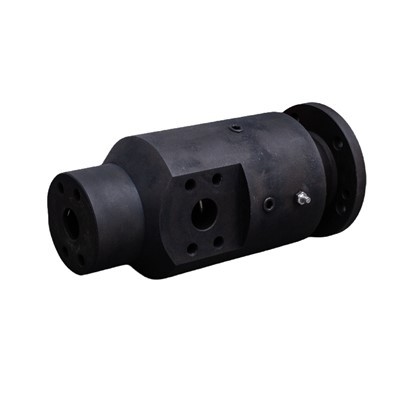
Before delving into the effects of pressure fluctuations, it’s important to understand the basic structure and function of a rotary joint for steam. A typical steam rotary joint consists of a stationary housing and a rotating shaft. The housing is connected to the steam supply, while the shaft is attached to the rotating equipment. The joint is designed to allow the passage of steam from the stationary side to the rotating side while maintaining a seal to prevent leakage.
The seal is one of the most critical components of the rotary joint. It is responsible for preventing steam from escaping and ensuring that the joint operates efficiently. There are different types of seals used in rotary joints, including mechanical seals, packing seals, and lip seals. Each type of seal has its own advantages and disadvantages, and the choice of seal depends on the specific application and operating conditions.
How Operating Pressure Fluctuations Occur
Operating pressure fluctuations in steam systems can occur due to a variety of factors. One of the most common causes is changes in the steam demand. For example, in a paper mill, the steam demand may vary depending on the production rate. When the production rate increases, the steam demand also increases, which can lead to a drop in the operating pressure. Conversely, when the production rate decreases, the steam demand decreases, and the operating pressure may increase.
Another cause of pressure fluctuations is the presence of air or non – condensable gases in the steam system. These gases can accumulate in the system and cause pressure variations. Additionally, problems with the steam generation equipment, such as a malfunctioning boiler or a faulty pressure control valve, can also lead to pressure fluctuations.
Effects of Pressure Fluctuations on Rotary Joints
Seal Wear and Leakage
One of the most significant effects of pressure fluctuations on rotary joints is increased seal wear. When the pressure fluctuates, the seal is subjected to varying forces. High – pressure spikes can cause the seal to deform or be forced out of its position, leading to accelerated wear. Over time, this wear can result in leakage of steam from the joint. Steam leakage not only leads to energy losses but can also pose safety hazards, such as burns and steam explosions.
For example, in a textile factory, if the pressure in the steam system fluctuates frequently, the seal in the rotary joint may wear out quickly. This can lead to steam leakage, which not only wastes energy but also affects the quality of the textile products being processed.
Bearing Damage
Pressure fluctuations can also have a negative impact on the bearings in the rotary joint. The bearings are responsible for supporting the rotating shaft and ensuring smooth operation. When the pressure fluctuates, the load on the bearings can change suddenly. High – pressure spikes can cause excessive stress on the bearings, leading to premature wear and damage.
In extreme cases, bearing damage can cause the rotary joint to fail completely. This can result in costly downtime for the industrial process, as the joint needs to be replaced or repaired.
Vibration and Noise
Pressure fluctuations can cause the rotary joint to vibrate and produce noise. The varying pressure creates uneven forces on the joint, which can lead to vibrations. These vibrations can not only be a nuisance but can also cause additional wear and tear on the joint and other components in the system.
Excessive vibration can also affect the accuracy and stability of the rotating equipment. For example, in a printing press, vibration in the rotary joint can cause misalignment of the printing plates, resulting in poor print quality.
Mitigating the Effects of Pressure Fluctuations
Pressure Regulation
One of the most effective ways to mitigate the effects of pressure fluctuations is to implement a proper pressure regulation system. This can include the use of pressure control valves, which can automatically adjust the steam pressure to maintain a stable operating pressure. By keeping the pressure within a narrow range, the stress on the rotary joint and its components can be reduced.
Seal Selection and Maintenance
Choosing the right seal for the specific application is crucial. Seals that are designed to withstand pressure fluctuations are available. Regular maintenance of the seals, including inspection and replacement when necessary, can also help to prevent leakage and extend the life of the rotary joint.
System Design and Installation
Proper system design and installation can also play a significant role in reducing the impact of pressure fluctuations. This includes ensuring that the steam lines are properly sized and that there are adequate expansion joints to accommodate thermal expansion. Additionally, the installation of dampeners or accumulators in the steam system can help to smooth out pressure fluctuations.
Importance of Monitoring and Maintenance
Regular monitoring of the operating pressure and the condition of the rotary joint is essential. This can be done using pressure sensors and other monitoring devices. By detecting pressure fluctuations early, appropriate actions can be taken to prevent damage to the rotary joint.
Maintenance schedules should be established to ensure that the rotary joint is inspected, cleaned, and lubricated regularly. This can help to identify and address any potential issues before they become major problems.
Conclusion
Operating pressure fluctuations can have a significant impact on the performance and longevity of rotary joints for steam. As a supplier, it is our responsibility to educate our customers about these effects and provide them with solutions to mitigate the problems. By understanding the causes and effects of pressure fluctuations, and by implementing appropriate measures such as pressure regulation, seal selection, and regular maintenance, we can ensure that the rotary joints operate efficiently and reliably.
Rotary Joint for Thermal Oil If you are in need of high – quality rotary joints for steam or have any questions about how to deal with pressure fluctuations in your steam systems, we are here to help. Our team of experts can provide you with customized solutions based on your specific requirements. Contact us to start a procurement discussion and find the best rotary joint solution for your industrial applications.
References
- ASME Boiler and Pressure Vessel Code.
- Industrial Steam Handbook.
- Technical literature on rotary joint design and operation.
Shandong Changsheng Rotary Joint Co., Ltd
As one of the leading rotary joint for steam manufacturers and suppliers in China, we warmly welcome you to buy rotary joint for steam for sale here from our factory. All customized products are with high quality and competitive price. Contact us for quotation.
Address: North Head of Beixin Industrial Park, Tengzhou City, Shandong Province, China
E-mail: shangchang.hi@163.com
WebSite: https://www.cs-rotaryjoint.com/
